
Nurturing a Balanced Internal Landscape with Hibiscus Tea for Hormone Health
The body operates through an intricate network of systems, each influencing the next. Maintaining a sense of harmony within these systems is fundamental to overall vitality. Many look to nature’s offerings to support these complex internal processes.
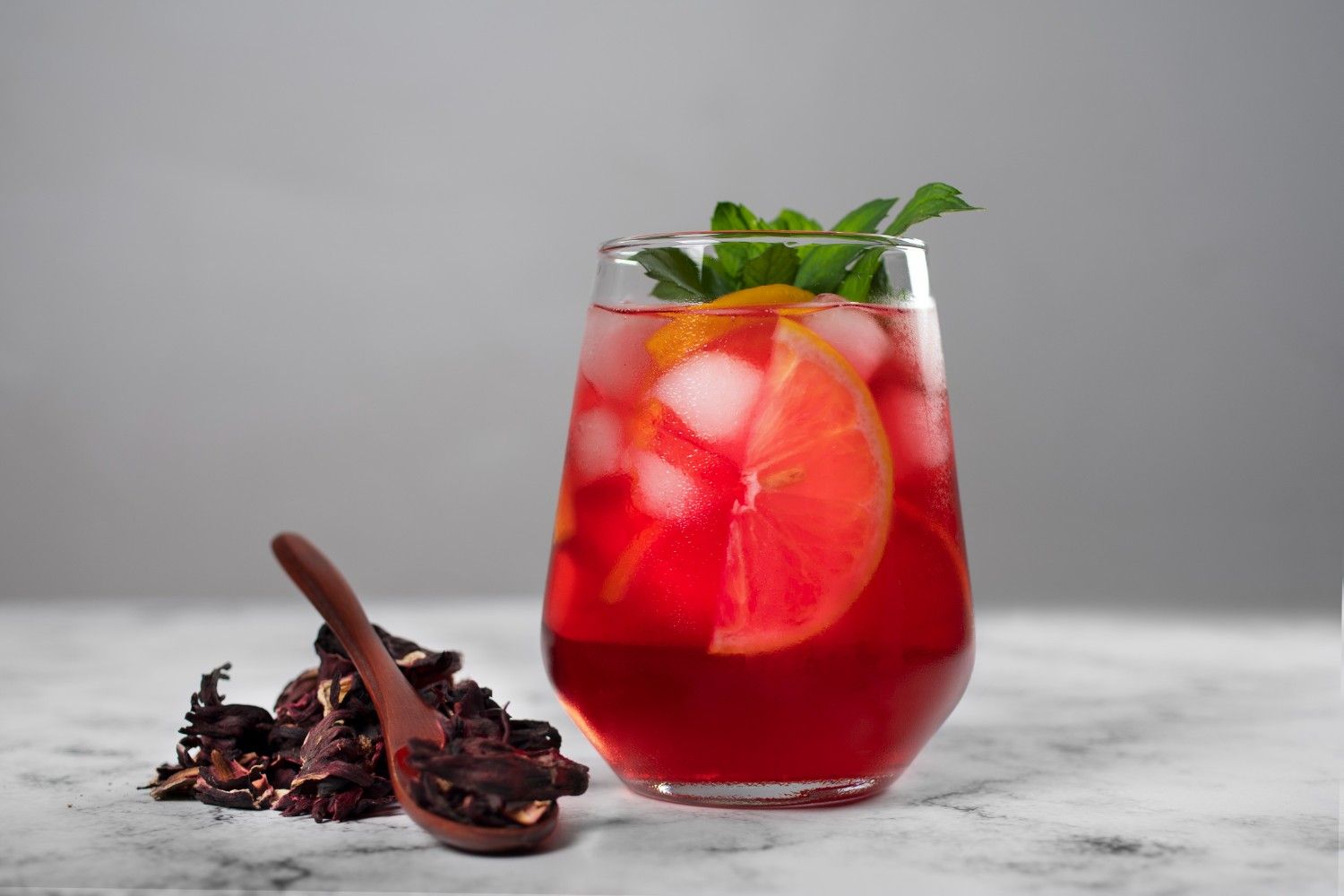
Among these natural resources, hibiscus tea stands out. Derived from the vibrant roselle calyces, this ruby-red infusion offers more than just a refreshing taste. It presents a fascinating profile of compounds that may contribute to a balanced physiological state.
This guide explores the specific ways hibiscus tea can support aspects of your internal well-being, particularly those related to the body’s natural hormone picture. It’s about understanding how a simple daily ritual can integrate into a broader approach for health.
A Deep Root in Wellness: The History of Hibiscus
Hibiscus sabdariffa, commonly known as roselle, boasts a rich history stretching back centuries across various cultures. Its origins are often traced to West Africa, where it has long been prized for both its culinary and traditional wellness applications. From vibrant drinks to medicinal preparations, the plant was a staple.
In ancient Egypt, hibiscus was revered for its cooling properties and was often used in teas to help manage body temperature in the desert heat. Its distinct tart flavor made it a refreshing beverage during long days. This historical appreciation underlines its widespread acceptance.
Across Southeast Asia and Central America, the plant also found a prominent place. It was cultivated for its edible calyces, leaves, and flowers, used in jams, sauces, and, of course, beverages. These diverse historical uses point to the plant’s adaptability and broad perceived benefits. This long-standing human interaction offers a testament to its enduring appeal and perceived value.
The Biochemical Tapestry of Hibiscus
The unique properties of hibiscus tea stem from its rich phytochemical composition. It’s not just one compound but a synergistic blend that contributes to its effects. These include a variety of organic acids, anthocyanins, and flavonoids, each playing a role in the plant’s profile.
**Anthocyanins** are the pigments responsible for hibiscus’s deep red hue. These compounds are extensively recognized for their presence in many vibrant fruits and vegetables. Delphinidin and cyanidin are two primary anthocyanins found in significant concentrations within hibiscus.
**Organic acids** like citric acid, malic acid, and tartaric acid lend hibiscus its characteristic tartness. Beyond flavor, these acids are components of various metabolic pathways within the body. Hibiscus acid, a lactone of hydroxycitric acid, is another notable organic acid present.
Additionally, hibiscus contains **flavonoids** such as quercetin and myricetin. These plant compounds are widely studied for their diverse activities in human physiology. The combination of these elements creates a botanical profile that is both complex and compelling for those seeking natural wellness support.
5 Ways Hibiscus Tea Supports Aspects of Hormone Health
Understanding how different components of hibiscus interact with the body’s systems can illuminate its potential. It is not about directly altering hormone levels, but rather supporting the foundational physiological processes that contribute to a balanced internal environment. This nuanced approach helps frame its role in overall wellness.
1. Supporting Antioxidant Defenses
The body constantly faces environmental stressors that can lead to oxidative challenges. Maintaining a robust antioxidant defense system is crucial for cellular health and overall physiological function. Hibiscus tea contributes to this defense.
Its rich content of anthocyanins and other phenolic compounds provides a wealth of antioxidant support. These compounds help the body manage free radicals, which are unstable molecules that can impact cellular integrity. By supporting cellular resilience, hibiscus assists the body’s foundational processes.
Cellular well-being forms the bedrock for optimal systemic operation, including the intricate signaling pathways that involve various hormones. A body with well-supported cells is better positioned to maintain its natural equilibrium. This makes antioxidant support a fundamental piece of the wellness puzzle.
- Active Compounds: Anthocyanins (Delphinidin, Cyanidin), Phenolic Acids.
- Wellness Pathway Contribution: Supports cellular integrity and function.
- Best Used For: General cellular support against oxidative stress.
Brewing Protocol for Antioxidant Enhancement
To maximize the beneficial compounds, use quality dried hibiscus calyces and steep them in hot water for at least five to ten minutes. This allows for optimal extraction of the water-soluble antioxidants.
2. Maintaining a Healthy Inflammation Response
A balanced inflammatory response is fundamental to overall health. When the body’s inflammatory processes become dysregulated, it can impact various systems. Hibiscus tea is often explored for its potential in supporting a healthy, modulated inflammatory state.
The presence of flavonoids and other bioactive compounds in hibiscus contributes to this capacity. These plant constituents interact with physiological pathways involved in maintaining the body’s natural response to stress and irritation. They do not eliminate inflammation, but rather help the body maintain equilibrium.
This balanced response is important for the optimal functioning of many organs and systems, including those that influence the body’s natural hormone picture. Supporting systemic comfort and reducing physiological strain can contribute to a more harmonious internal environment. It’s a key aspect of holistic wellness.
- Active Compounds: Flavonoids (Quercetin, Myricetin), Phenolic Compounds.
- Wellness Pathway Contribution: Modulates the body’s natural inflammatory response.
- Best Used For: Supporting systemic comfort and physiological balance.
Daily Infusion Method
Prepare a daily serving of hibiscus tea by steeping one to two teaspoons of dried calyces in boiling water, allowing it to cool slightly before enjoying. Consider this a regular part of your wellness ritual.
3. Supporting Metabolic Wellness and Blood Sugar Balance
Metabolic health is closely linked to the body’s overall internal balance, including processes related to hormones. Hibiscus tea has garnered attention for its potential role in supporting various aspects of metabolic function, particularly in relation to blood sugar levels already within a healthy range.
Studies indicate that certain compounds in hibiscus may assist the body in maintaining stable blood glucose levels. This doesn’t mean it’s a treatment for conditions involving blood sugar dysregulation, but rather that it can contribute to the ongoing support of metabolic pathways. The organic acids and polyphenols are thought to play a role here.
Supporting metabolic wellness is crucial because well-functioning metabolism underpins energy production and the efficient use of nutrients. When these processes are supported, the entire physiological system, including hormone communication, benefits. This makes hibiscus a valuable addition for metabolic support.
- Active Compounds: Anthocyanins, Organic Acids (Hibiscus Acid).
- Wellness Pathway Contribution: Assists in maintaining healthy blood sugar levels already within a normal range.
- Best Used For: General metabolic support and promoting steady energy levels.
Usage Recommendations for Metabolic Focus
Incorporate hibiscus tea into your routine after meals. This strategic timing can complement the body’s natural metabolic processes following nutrient intake.
4. Contributing to Liver Health
The liver is a powerhouse organ responsible for countless vital functions, including the processing and detoxification of various substances. A well-functioning liver is essential for maintaining a balanced internal environment, which extends to the body’s hormone picture.
Hibiscus contains compounds that may offer supportive effects for liver cells. Its antioxidant properties, as previously mentioned, help protect liver cells from oxidative stress. This protective capacity allows the liver to perform its extensive duties more efficiently.
A healthy liver plays a significant role in managing metabolic byproducts and assisting in the natural elimination pathways. By supporting the liver’s capacity, hibiscus tea indirectly contributes to a clearer internal landscape. This is a foundational aspect of comprehensive wellness.
- Active Compounds: Anthocyanins, Flavonoids.
- Wellness Pathway Contribution: Provides antioxidant support for liver cells and aids in general liver well-being.
- Best Used For: Supporting the body’s natural detoxification processes.
Preparation for Liver Support
Consider making a cold brew hibiscus tea. Steep hibiscus calyces in cold water overnight. This gentle extraction method can create a refreshing beverage often preferred for continuous, steady intake.
5. Supporting the Body’s Stress Response System
Our modern lives often involve persistent demands, which can tax the body’s adaptive stress response. While hibiscus tea isn’t a direct stress reliever, the ritual of enjoying a warm, flavorful tea can itself be a calming practice. Additionally, some plant compounds may offer subtle support.
The act of pausing for a cup of tea provides a moment of mindfulness, which can help downregulate the nervous system. This intentional relaxation contributes to overall physiological balance. Furthermore, the mild effects of certain plant compounds may subtly support the body’s ability to cope with daily stressors.
A more balanced stress response system is intrinsically linked to the body’s hormone communication networks. When the body feels less overwhelmed, its natural rhythms tend to function more smoothly. This holistic approach to well-being underscores the subtle yet profound benefits of incorporating such rituals. People with underlying conditions often work with a qualified healthcare professional for personalized guidance.
- Active Compounds: Water-soluble components, the overall tea experience.
- Wellness Pathway Contribution: Promotes a sense of calm and supports the body’s adaptive stress response.
- Best Used For: Enhancing relaxation and mental well-being.
Relaxation Ritual
Enjoy a warm cup of hibiscus tea in the evening as part of a winding-down routine. Add a touch of natural sweetener if desired for an enhanced comforting experience.
Comparing Hibiscus Compounds and Their Associated Wellness Areas
| Compound Group | Primary Examples | Associated Wellness Areas |
|---|---|---|
| Anthocyanins | Delphinidin, Cyanidin | Cellular protection, antioxidant defense, metabolic support |
| Organic Acids | Citric, Malic, Hibiscus Acid | Flavor profile, metabolic function, blood sugar balance support |
| Flavonoids | Quercetin, Myricetin | Inflammation response modulation, general cellular well-being |
| Polysaccharides | Complex Carbohydrates | Digestive comfort, general gut support |
Considerations for Enjoying Hibiscus Tea
While hibiscus tea offers many potential wellness advantages, it’s wise to approach its integration into your routine with awareness. Quality sourcing, preparation methods, and individual sensitivities are all factors to consider for a beneficial experience.
The concentration of active compounds can vary significantly based on the species of hibiscus, growing conditions, and processing methods. Opting for organic, high-quality dried calyces ensures you receive a product free from unwanted pesticides and with a potent phytochemical profile. This attention to detail can enhance your overall experience.
Consider your personal hydration needs. While tea contributes to fluid intake, a varied approach to hydration, including plain water, remains essential for optimal bodily functions. Hibiscus tea can be a flavorful and beneficial component of this broader hydration strategy.
Remember that this information is educational and not a substitute for medical advice. People with underlying conditions often work with a qualified healthcare professional for personalized guidance. Consulting with a professional ensures that any new addition to your diet aligns with your individual health profile.
Frequently Asked Questions
Does hibiscus tea interact with any medications?
Hibiscus tea can influence certain physiological processes, like those involved in blood pressure management. Due to this, it may interact with some prescription medications, particularly those for blood pressure or diuretics. It is always prudent to discuss the inclusion of hibiscus tea with your healthcare professional if you are taking any prescribed medications.
What is the recommended daily intake of hibiscus tea?
There isn’t a universally prescribed dosage for hibiscus tea for general wellness support. Many individuals find one to three cups daily to be a comfortable and beneficial amount. It is often consumed as a regular beverage rather than a high-dose supplement. Listen to your body and adjust as needed.
Can hibiscus tea be consumed cold?
Absolutely. Hibiscus tea is a versatile beverage that is equally delicious and beneficial when served cold. Cold brewing, where you steep the calyces in cold water overnight, can produce a smoother, less tart flavor profile. This makes it an excellent refreshing drink during warmer months or as an alternative to hot tea.
Is there a specific type of hibiscus recommended for hormone health support?
When seeking the benefits discussed, the focus is on *Hibiscus sabdariffa*, commonly known as roselle. This specific species is the source of the tart, red calyces used for tea. While other hibiscus varieties exist, *Hibiscus sabdariffa* is the one primarily associated with the traditional and studied wellness properties. Research from the NCCIH provides a general overview of its use.
The Bottom Line
Hibiscus tea offers a compelling array of natural compounds that can contribute to a balanced internal environment. Its rich profile supports antioxidant defenses, a healthy inflammation response, metabolic wellness, liver health, and even the body’s stress response. Integrating this vibrant infusion into your daily routine is a simple, enjoyable way to support overall well-being.
Consider adding a warm or cold cup of hibiscus tea to your daily ritual. It’s a flavorful step toward embracing natural support for your body’s intricate systems.
Get Your FREE Natural Health Guide!
Subscribe now and receive our exclusive ebook packed with natural health tips, practical wellness advice, and easy lifestyle changes, delivered straight to your inbox.