
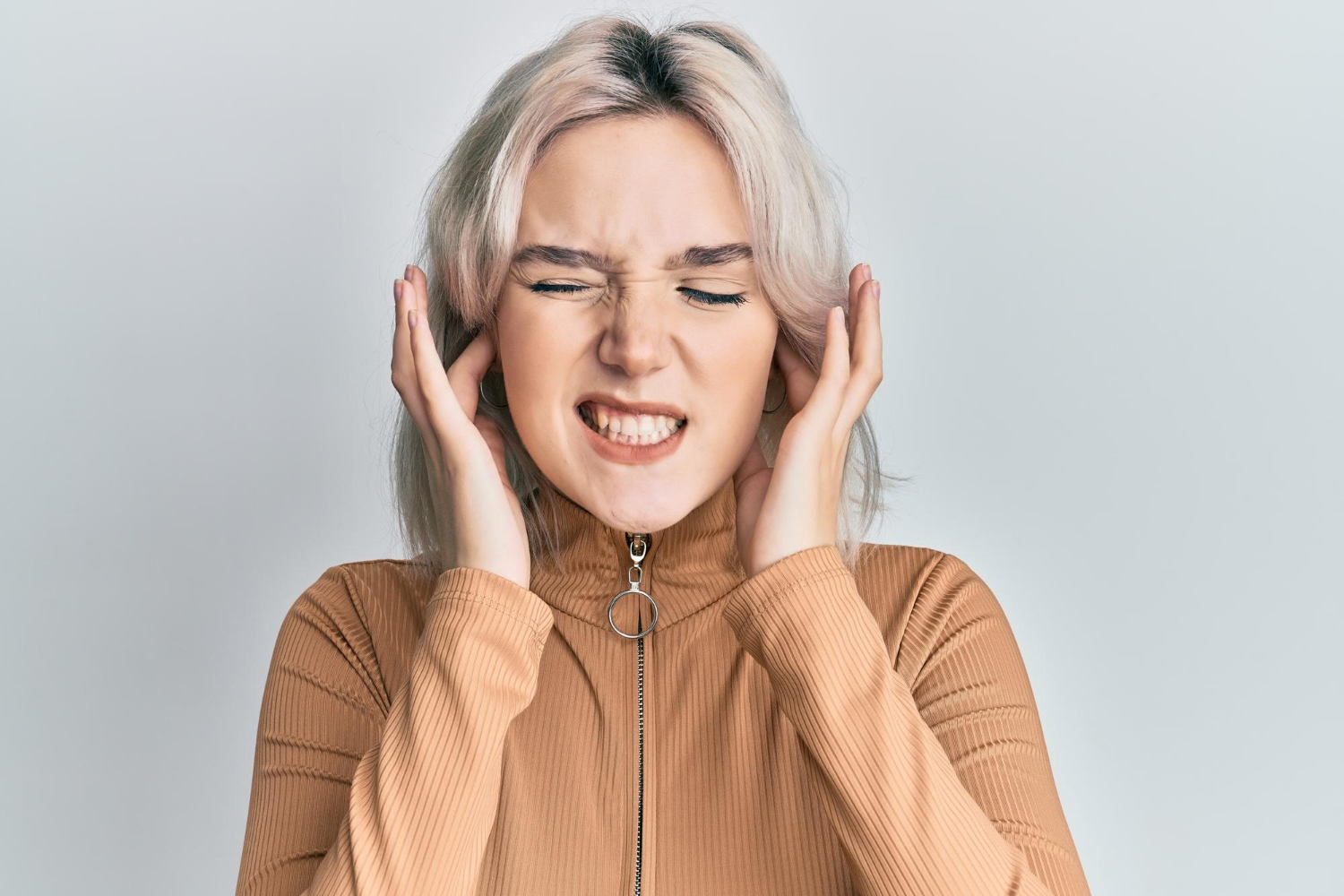

Understanding the Inner Quiet: Exploring Natural Paths to Stop Ringing
The constant perception of sound, often described as ringing, buzzing, or hissing, can disrupt daily life. People often seek ways to quiet this internal noise and reclaim a sense of calm. Exploring natural methods to stop ringing naturally has become a focus for many navigating this experience.
It’s a phenomenon that prompts individuals to investigate various strategies, from dietary changes to specific botanicals. The objective is often to find comfort and support overall well-being. These approaches generally center on promoting systemic balance and enhancing quality of life.
This guide explores seven distinct, natural avenues people investigate to manage this persistent sensation. It delves into their potential mechanisms and how they integrate into a lifestyle aimed at fostering internal peace. People with underlying conditions often work with a qualified healthcare professional for personalized guidance. This information is educational and not a substitute for medical advice.
1. Targeted Nutritional Support
Optimizing nutrient intake forms a foundational approach for many wellness goals. Specific vitamins and minerals are often discussed in relation to nerve function and cellular health. A balanced diet provides essential cofactors that support various physiological processes throughout the body.
For instance, certain B vitamins, such as B12, play roles in nerve sheath integrity and neurotransmitter synthesis. Magnesium is another mineral often explored due to its involvement in over 300 enzymatic reactions, including those crucial for nerve signal transmission and muscle relaxation. A diet rich in these micronutrients may contribute to overall cellular resilience.
Zinc, an essential trace mineral, also garners attention. It’s a key player in immune function and cellular metabolism. Some discussions link zinc levels to processes within the auditory system, prompting individuals to ensure adequate intake through diet or considered supplementation.
- Active Compounds: B vitamins (B12), Magnesium, Zinc.
- Best Used For: Supporting general nerve health, cellular function, and metabolic processes.
- Mechanism of Action: Provides essential cofactors for physiological systems.
Dietary Considerations
Consider integrating a variety of whole foods like leafy greens, nuts, seeds, and lean proteins into your daily meals.
2. Sound Enrichment and Masking
Introducing external sounds can be a simple, non-invasive method people use to alter their perception of internal ringing. This technique, known as sound enrichment or sound therapy, aims to make the internal sound less noticeable by providing competing auditory input. The goal is to reduce the contrast between the internal sound and the environmental soundscape.
White noise generators, natural sound recordings (like ocean waves or rainfall), or even soft music are common tools in this strategy. By providing a constant, low-level background sound, the brain may shift its focus away from the internal ringing. This can often lead to a reduction in the perceived intensity or intrusiveness of the sound.
This approach doesn’t address the underlying cause but focuses on managing the perception and impact of the ringing. Many find it particularly useful during quiet periods, such as bedtime, when the internal sound can become more pronounced. Consistent use can help train the brain to habituate to the ringing, making it less disruptive over time.
- Active Strategy: White noise, nature sounds, ambient music.
- Best Used For: Reducing the perceived intensity and intrusiveness of internal sounds.
- Mechanism of Action: Provides competing auditory input, facilitating brain habituation.
Daily Practice
Use a sound generator or app to introduce soft, consistent background noise during quiet times or for sleep support.
3. Stress Management Practices
Stress and anxiety often amplify the perception of internal ringing. The physiological responses to stress, including increased muscle tension and altered blood flow patterns, can influence how the body perceives and processes sensory information. Therefore, managing stress is a crucial component of many natural approaches.
Techniques such as mindfulness meditation encourage present-moment awareness and non-judgmental observation. This practice can help individuals detach from the distress associated with the ringing. Deep breathing exercises, another powerful tool, activate the parasympathetic nervous system, promoting relaxation and reducing the body’s stress response.
Yoga and Tai Chi combine physical movement with breathwork and meditative elements. These practices can foster a sense of calm and release physical tension. Regular engagement in stress-reducing activities doesn’t eliminate the ringing but can significantly lower its perceived impact and associated emotional burden.
- Active Methods: Mindfulness meditation, deep breathing, yoga, Tai Chi.
- Best Used For: Reducing anxiety, muscle tension, and the emotional response to ringing.
- Mechanism of Action: Activates the parasympathetic nervous system, promotes relaxation, and alters perception.
Consistent Engagement
Incorporate a 10-15 minute meditation or deep breathing session into your daily routine, especially during times of heightened stress.
4. Exploring Botanical Extracts: Ginkgo Biloba
Certain botanical preparations have a long history of traditional use and are often explored for their potential wellness benefits. Among these, **Ginkgo biloba** stands out for its well-researched compounds. The leaves of the Ginkgo tree are rich in **flavonoids** and **terpenoids**, which are active plant compounds.
These compounds are generally discussed for their capacity to support healthy circulation and act as antioxidants. Maintaining optimal blood flow, especially to the microcapillaries, is considered important for the health of various tissues, including those in the inner ear. Antioxidants help protect cells from oxidative stress.
When exploring Ginkgo, individuals often look for standardized extracts to ensure consistency in the active compounds. These extracts are prepared to contain specific concentrations of ginkgo flavone glycosides and terpene lactones. While it doesn’t “cure” ringing, some people explore Ginkgo as part of a broader strategy to support overall circulatory health and cellular well-being.
- Active Compounds: Ginkgo flavone glycosides, terpene lactones.
- Best Used For: Supporting healthy circulation, antioxidant protection.
- Mechanism of Action: May influence microcirculation and reduce oxidative stress.
Considered Supplementation
Consult with a health professional regarding the use of a standardized Ginkgo biloba extract, integrating it mindfully into your daily regimen.
5. Addressing Jaw and Neck Tension
The intricate network of muscles and nerves in the jaw (temporomandibular joint or TMJ) and neck regions are sometimes discussed in relation to ear sensations. Tension or misalignment in these areas can potentially affect nearby structures, including those associated with auditory perception. People often work with specialists to explore this connection.
When muscles in the jaw or neck become chronically tight, they can influence the Eustachian tube, or put pressure on nerves that run close to the ear. This isn’t about direct mechanical interference with the inner ear itself, but rather about the broader anatomical and neurological interconnectedness. Releasing this tension can sometimes bring a sense of relief.
Techniques such as gentle massage, specific stretching exercises for the neck and jaw, and ergonomic adjustments to workspace setups are commonly explored. Some individuals also consider professional evaluations, like those from physical therapists or chiropractors, to assess and address musculoskeletal imbalances in these areas. This can complement an active lifestyle and support a sense of comfort.
- Focus Area: Temporomandibular joint (TMJ), cervical spine.
- Best Used For: Relieving muscle tension and improving structural alignment.
- Mechanism of Action: Reduces pressure and tension on surrounding nerves and tissues.
Daily Comfort Routine
Practice gentle jaw and neck stretches daily, paying attention to ergonomic positioning during work or leisure activities.
6. The Role of Regular Physical Activity
Engaging in consistent physical activity is a cornerstone of overall health and well-being. Exercise supports healthy circulation throughout the body, including to the inner ear structures. It also plays a significant role in stress reduction and mood regulation, which can indirectly influence the perception of internal ringing.
When people engage in movement, the body releases endorphins, natural compounds that promote a sense of well-being and can help diminish the perception of discomfort. Regular activity can also contribute to better sleep quality, a factor often intertwined with the experience of persistent sounds.
Moreover, physical activity helps manage blood pressure and blood sugar levels, both of which are important for maintaining vascular health. While not a direct “fix,” an active lifestyle creates a supportive physiological environment. People may feel more comfortable moving, and it often contributes to feeling more flexible.
Research from the NIH emphasizes the importance of these broader health factors.
- Active Strategy: Aerobic exercise, strength training, flexibility routines.
- Best Used For: Supporting overall circulation, stress reduction, improved mood, and better sleep.
- Mechanism of Action: Enhances cardiovascular health, releases endorphins, regulates systemic functions.
Consistent Movement Plan
Aim for at least 30 minutes of moderate activity most days of the week, choosing activities you enjoy to ensure consistency.
7. Optimizing Sleep Hygiene
The quality and quantity of sleep have a profound impact on how the body manages and perceives chronic sensations. Lack of adequate sleep can heighten stress, decrease cognitive function, and intensify the perception of internal ringing. Creating an optimal sleep environment and routine is therefore essential.
Sleep deprivation often leads to an exacerbated stress response, making the internal ringing feel more intrusive and harder to ignore. During restful sleep, the brain processes information and rejuvenates, which can help in habituating to or coping with persistent sounds more effectively.
Establishing a consistent sleep schedule, ensuring a dark and quiet bedroom, and avoiding stimulants like caffeine and electronic screens before bed are key components of good sleep hygiene. Using sound enrichment (as discussed in point 2) can also be beneficial in masking ringing during the onset of sleep. Prioritizing sleep is a non-negotiable step for many seeking to improve their overall comfort.
- Active Strategy: Consistent sleep schedule, dark/quiet environment, avoidance of pre-sleep stimulants.
- Best Used For: Reducing stress, improving cognitive function, aiding habituation to persistent sounds.
- Mechanism of Action: Supports brain rejuvenation, regulates stress hormones, improves overall coping mechanisms.
Evening Wind-Down
Create a relaxing bedtime routine by turning off screens an hour before bed and ensuring your bedroom is cool, dark, and quiet.
Comparative Overview of Natural Approaches
This table provides a quick glance at some distinct facets of the discussed natural approaches to managing internal ringing. It highlights their primary focus and the general timeline over which people often explore their benefits.
| Approach | Primary Focus | General Exploration Timeline | Key Benefit Area |
|---|---|---|---|
| Nutritional Support | Systemic well-being, nutrient repletion | Weeks to months | Cellular & Nerve Health |
| Sound Enrichment | Perceptual masking, habituation | Immediate to ongoing | Cognitive Diversion |
| Stress Management | Emotional regulation, physiological calm | Days to weeks (consistent practice) | Mental & Emotional Peace |
| Ginkgo Biloba | Circulatory health, antioxidant support | Weeks to several months | Vascular Function |
| Jaw & Neck Focus | Musculoskeletal tension release | Days to weeks | Structural Comfort |
| Physical Activity | Overall health, mood enhancement | Weeks to months (consistent habit) | Systemic Vitality |
| Sleep Optimization | Restoration, mental clarity | Days to weeks (consistent routine) | Cognitive & Emotional Resilience |
Frequently Asked Questions
Can dietary changes eliminate the ringing entirely?
Dietary changes primarily support overall health and may contribute to a sense of well-being. They focus on providing essential nutrients and reducing potential inflammatory triggers. While they can influence the body’s environment, people often report that they contribute to a broader strategy for managing the sensation rather than eliminating it.
How quickly can I expect results from natural methods?
The timeline for experiencing benefits from natural methods varies considerably. Some approaches, like sound enrichment, can offer immediate perceptual relief. Others, such as nutritional adjustments or consistent stress management, may require weeks or even months of consistent practice to notice a difference in how you perceive or cope with the ringing.
Is there a single best natural method for everyone?
No single method works universally for everyone. The experience of internal ringing is highly individual, and what brings comfort to one person may not be as effective for another. Many individuals find a combination of approaches to be most beneficial. It often involves a process of exploration to discover what resonates best with your unique physiology and lifestyle.
Should I stop other treatments if I try natural methods?
It’s important to approach any changes to your health regimen thoughtfully. Natural methods are generally explored as complementary strategies to support overall wellness. People with underlying conditions often work with a qualified healthcare professional for personalized guidance before making any significant changes to their care plan. This information is educational and not a substitute for medical advice.
The Bottom Line
Navigating the persistent sensation of internal ringing often involves a multi-faceted approach. By exploring natural strategies focused on nutritional support, stress reduction, physical well-being, and environmental adjustments, individuals can actively work towards reclaiming a sense of calm. The key lies in understanding that these methods generally support the body’s natural resilience and contribute to an improved quality of life.
Consider beginning with one or two lifestyle changes that feel manageable and align with your current routine.
Get Your FREE Natural Health Guide!
Subscribe now and receive our exclusive ebook packed with natural health tips, practical wellness advice, and easy lifestyle changes, delivered straight to your inbox.





