
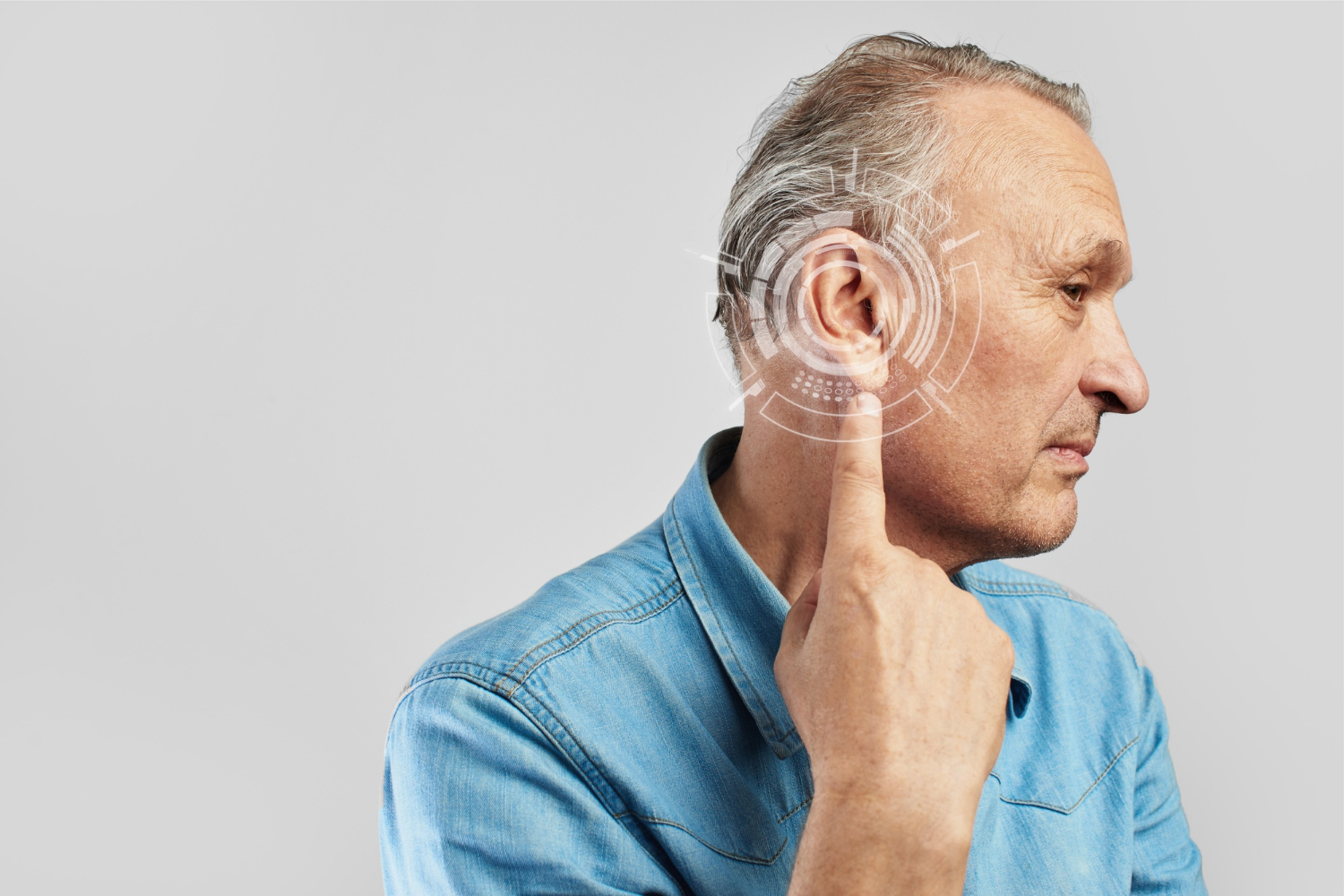

Exploring Home Tinnitus Remedies for Comfort and Well-Being
Living with persistent ringing, buzzing, or hissing sounds in your ears can be a significant daily challenge. This phenomenon, widely recognized as tinnitus, often influences quality of life for many individuals.
While an underlying cause isn’t always clear, many people explore various accessible approaches to find a greater sense of calm and manage their experience.
This guide delves into several home-based strategies people often discuss, focusing on lifestyle adjustments and comfort techniques that may offer general well-being support.
1. Leveraging Sound Therapy and Masking Techniques
One of the most immediate and widely explored home tinnitus remedies involves using external sounds to create an acoustic environment that helps make internal noises less noticeable. This approach doesn’t eliminate the tinnitus, but it can shift your perception of it, offering a measure of mental relief.
The goal is to introduce a neutral or pleasant sound that can blend with, or even overshadow, the tinnitus sound. This strategy is about diverting your brain’s attention, making the internal noise less prominent in your auditory awareness.
Different types of sounds can be effective. Many people find success with simple ambient noises, such as the gentle hum of a fan or a quiet air conditioner. Dedicated sound machines or smartphone apps also offer a range of options, from white noise to nature sounds.
- Active Principle: Auditory distraction, acoustic masking.
- Best Explored For: Reducing the prominence of internal sounds, promoting relaxation, aiding sleep.
- General Approach: Introducing external sounds to alter perception of tinnitus.
Application Method
To implement sound therapy, consider placing a white noise machine or fan in your bedroom or workspace. Ensure the volume is set to a comfortable level, loud enough to be noticeable but not so loud that it becomes a distraction itself.
2. Practicing Mindfulness and Stress Reduction
Stress and heightened anxiety can often influence how intensely one perceives tinnitus. Engaging in practices that cultivate calm and reduce mental tension may help some individuals manage their reactions to the sounds they experience.
Mindfulness involves focusing on the present moment without judgment. For people with tinnitus, this can mean acknowledging the sound without becoming overwhelmed by it. It’s about shifting your relationship with the experience, rather than trying to eliminate it.
Techniques such as deep breathing exercises, guided meditation, and gentle yoga are frequently discussed. These practices support general relaxation and can contribute to an overall sense of emotional balance, which many find beneficial.
- Active Principle: Cognitive refocusing, parasympathetic nervous system activation.
- Best Explored For: Managing stress responses, improving emotional well-being, enhancing coping mechanisms.
- General Approach: Cultivating present-moment awareness and relaxation techniques.
Recommended Practice
Incorporate a short mindfulness meditation or deep breathing session into your daily routine. Even five to ten minutes focused on your breath can contribute to a more grounded feeling throughout your day.
3. Making Thoughtful Dietary Adjustments
While diet isn’t a direct “cure” for tinnitus, many individuals find that certain food and beverage choices can influence their general well-being, which in turn may affect their perception of auditory symptoms. Paying attention to what you consume can be a supportive self-care measure.
Some people choose to limit or avoid stimulants like caffeine and nicotine, as these substances can sometimes contribute to a heightened state of awareness or influence blood flow. Alcohol is another item many individuals consider moderating, as it can also impact the body’s systems.
Additionally, a diet rich in whole, unprocessed foods, focusing on fruits, vegetables, lean proteins, and healthy fats, generally supports overall bodily function. Maintaining good hydration is also a common recommendation for general health.
- Active Principle: General wellness support, systemic balance.
- Best Explored For: Supporting overall health, identifying potential dietary triggers.
- General Approach: Modifying consumption of certain stimulants and prioritizing nutrient-dense foods.
Implementation Strategy
Consider gradually reducing your intake of caffeine and exploring herbal alternatives for beverages. Monitor how your body responds to these changes, noting any shifts in your overall comfort levels.
4. Exploring Herbal Infusions and Botanicals
Historically, various botanicals have been explored for their general wellness properties. Some individuals turn to specific herbal infusions, often in tea form, as part of their broader approach to supporting comfort and overall systemic balance.
One herb frequently discussed in the context of general well-being is Ginkgo biloba. People often explore Ginkgo for its potential to support general circulatory health. While its use is widely discussed, it’s important to frame it as a complementary botanical for overall vitality, not a specific treatment.
Other botanicals, like valerian root or chamomile, are often chosen for their traditional associations with relaxation and calm. These herbs are generally explored as aids for managing occasional restlessness or promoting a sense of tranquility, which can be beneficial for those seeking comfort.
- Active Compound (Ginkgo): Flavonoid glycosides, terpenoids.
- Active Compound (Valerian): Valerenic acid, iridoids.
- Best Explored For: General well-being support, promoting relaxation, complementing a healthy lifestyle.
- General Approach: Incorporating botanical preparations known for their traditional uses in supporting calm or systemic health.
Usage Considerations
When considering herbal infusions, it’s generally best to start with a low concentration. People often prepare teas by steeping dried herbs in hot water. Always ensure any botanical choices align with your personal health situation and any ongoing discussions with a qualified healthcare professional.
5. Applying Acupressure and Gentle Massage
Tension in the jaw, neck, and shoulders can sometimes be associated with a heightened perception of head and ear sensations. Gentle physical techniques, such as acupressure or massage, are often explored to alleviate this muscular tension and promote a sense of physical relaxation.
Acupressure involves applying firm but gentle pressure to specific points on the body. While not a direct intervention for tinnitus itself, targeting areas known to hold tension, particularly around the head and neck, may contribute to overall comfort.
Simple self-massage of the neck, temples, and jaw muscles can also be quite soothing. Releasing muscular tightness in these regions may help people feel more relaxed and reduce any associated physical discomfort, which might indirectly influence their experience.
- Active Principle: Muscular relaxation, localized blood flow enhancement, tactile stimulation.
- Best Explored For: Alleviating tension in the head and neck, promoting physical comfort, reducing stress.
- General Approach: Applying gentle pressure or massage to specific areas to encourage relaxation.
Application Technique
Use your fingertips to apply gentle, circular pressure to the areas around your ears, jawline, and the base of your skull. Breathe deeply during this process, focusing on releasing any tension you discover.
6. Considering Nutritional Support with Key Minerals
Maintaining balanced nutrition is fundamental for overall health. While dietary supplements aren’t a direct treatment for tinnitus, some individuals explore specific mineral considerations as part of a broader nutritional strategy to support general physiological function.
Magnesium is an essential mineral involved in numerous bodily processes, including nerve function and muscle relaxation. Some people focus on ensuring adequate magnesium intake through diet or discuss general supplementation to support their systemic well-being.
Similarly, Zinc plays a role in various enzymatic reactions and cellular processes throughout the body. Discussions around zinc intake often center on its general contribution to a healthy immune system and overall cellular metabolism, which can be part of a holistic wellness approach. Research from the National Institutes of Health provides more details on its broad functions.
- Key Nutrient (Magnesium): Supports nerve and muscle function, energy production.
- Key Nutrient (Zinc): Involved in immune function, cell growth, and metabolism.
- Best Explored For: General nutritional support, systemic health, complementing a balanced diet.
- General Approach: Ensuring a balanced intake of essential minerals through diet or general supplementation.
Nutritional Focus
Prioritize foods rich in magnesium like leafy greens, nuts, seeds, and whole grains. For zinc, consider incorporating legumes, nuts, and certain seafood into your balanced diet. People with underlying conditions often work with a qualified healthcare professional for personalized guidance regarding nutritional needs.
7. Engaging in Regular, Gentle Movement
Physical activity is a cornerstone of a healthy lifestyle, and gentle movement can contribute to overall well-being, which may indirectly influence how one experiences persistent auditory sensations. It’s about supporting the body’s natural rhythms and promoting a sense of ease.
Engaging in activities like light walking, stretching, or gentle yoga supports a sense of mobility and can help people feel more comfortable moving. Regular movement can also contribute to stress reduction and improved mood, both of which are important for managing chronic conditions.
The focus here is not on intense exercise but on consistent, low-impact activities that promote blood flow and reduce muscular stiffness. Such practices are often associated with feeling more flexible and energetic throughout the day.
- Active Principle: Systemic circulation, muscular flexibility, stress reduction.
- Best Explored For: Overall physical and mental well-being, enhancing comfort, promoting relaxation.
- General Approach: Incorporating consistent, low-impact physical activities into daily life.
Movement Protocol
Aim for short, regular walks each day, or integrate a simple stretching routine into your mornings or evenings. Listen to your body and choose activities that feel comfortable and enjoyable.
Comparing Home Tinnitus Approaches
Many home remedies offer diverse avenues for supporting well-being when dealing with tinnitus. Understanding their primary focus can help in selecting approaches that align with your individual needs and lifestyle.
| Approach Type | Primary Focus | Potential Benefits Explored | Key Considerations |
|---|---|---|---|
| Sound Therapy | Auditory distraction | Masking internal sounds, promoting sleep, relaxation | Volume control, sound type preference |
| Mindfulness | Stress management | Reducing anxiety, improving coping, emotional balance | Consistency of practice, guided instruction |
| Dietary Adjustments | Overall well-being | Systemic health, identifying personal triggers | Gradual changes, monitoring responses |
| Herbal Infusions | General vitality, relaxation | Calming support, circulatory health discussions | Individual sensitivity, quality of botanicals |
| Acupressure/Massage | Physical tension release | Muscular comfort, localized relaxation | Gentle application, focus on head/neck |
| Nutritional Support | Essential mineral balance | Supporting nerve and muscle function, metabolism | Balanced diet, professional guidance |
| Gentle Movement | Physical and mental health | Stress reduction, comfort, overall energy | Consistency, low-impact activities |
Frequently Asked Questions
Is there a single “best” home remedy for tinnitus?
No, there isn’t a universally “best” remedy. The effectiveness of different approaches varies greatly from person to person. What works well for one individual may not be as helpful for another, making personalized exploration valuable. This information is educational and not a substitute for medical advice.
Can lifestyle changes alone make tinnitus go away?
While lifestyle changes can significantly improve how someone manages their tinnitus experience and enhances their comfort, these approaches are generally explored for symptom management and overall well-being, not for elimination of the condition. Many people find comfort and better coping skills through these methods.
How long should I try a home remedy before deciding if it helps?
Many home remedies and lifestyle adjustments require consistent effort over time to observe any potential benefits. People often find that trying an approach for several weeks to a few months, while being attentive to their body’s responses, can provide a clearer indication of its supportive qualities.
Are these home remedies safe to use with other approaches?
Most home remedies, especially those focused on general wellness like diet, exercise, and stress reduction, can complement other strategies. However, when considering herbal products or specific supplements, it’s generally prudent to discuss these choices with a qualified healthcare professional, especially if you have existing conditions or are exploring other approaches.
The Bottom Line
Navigating the experience of tinnitus involves a journey of discovery, often focusing on strategies that bring comfort and support overall well-being. While tinnitus is a complex condition, many people find a greater sense of calm and control by exploring accessible home-based remedies.
These approaches, ranging from sound therapy to mindful practices and dietary considerations, offer pathways to enhancing daily life. They aim to shift your relationship with the sounds you hear, promoting relaxation and fostering a more balanced perspective.
Begin by exploring one or two of these suggestions that resonate most with your lifestyle. Observe how your body and mind respond, remembering that even small, consistent efforts can contribute to a significant improvement in your comfort and peace of mind.
Get Your FREE Natural Health Guide!
Subscribe now and receive our exclusive ebook packed with natural health tips, practical wellness advice, and easy lifestyle changes, delivered straight to your inbox.





