
Understanding Bladder Spasms and Finding Comfort
Bladder spasms can introduce a sense of urgency and discomfort that disrupts daily life. These involuntary contractions of the bladder muscle, sometimes described as sudden cramps, often prompt an immediate need to void. Understanding the nuances of these sensations is an important first step for anyone seeking to manage them.
While bladder spasms themselves are not a disease, they represent a signal from the body. They can occur for a range of reasons, sometimes connected to dietary choices, hydration patterns, or even periods of increased stress. Many people explore various non-pharmacological approaches to support bladder comfort and reduce the frequency of these episodes.
This guide outlines several widely discussed strategies that people often incorporate into their routines to support bladder wellness and help **stop bladder spasms** by promoting a more settled urinary system. Always discuss any persistent or concerning symptoms with a qualified healthcare professional for personalized guidance.
1. Optimize Dietary Habits for Bladder Calm
What you consume plays a significant role in how your bladder functions and feels. Certain foods and beverages contain compounds that may irritate the bladder lining, potentially contributing to discomfort or the sensation of spasms. Identifying and adjusting these elements can offer a path toward greater urinary comfort.
Acids, caffeine, and artificial sweeteners are frequently cited as common irritants. Citrus fruits, tomatoes, coffee, tea, and soda often fall into this category. The pH level of these items, alongside specific chemical compounds, can influence bladder sensitivity for some individuals. Observing individual responses to these items becomes a key part of personalizing dietary choices.
Keeping a detailed food diary can be a useful tool here. This practice allows you to track consumption patterns and correlate them with any subsequent bladder sensations. Over time, distinct patterns often emerge, providing clear insights into potential triggers that you might consider limiting or avoiding.
Key Dietary Modifiers for Bladder Support
- Common Irritants: Caffeine, alcohol, carbonated drinks, citrus, tomatoes, artificial sweeteners.
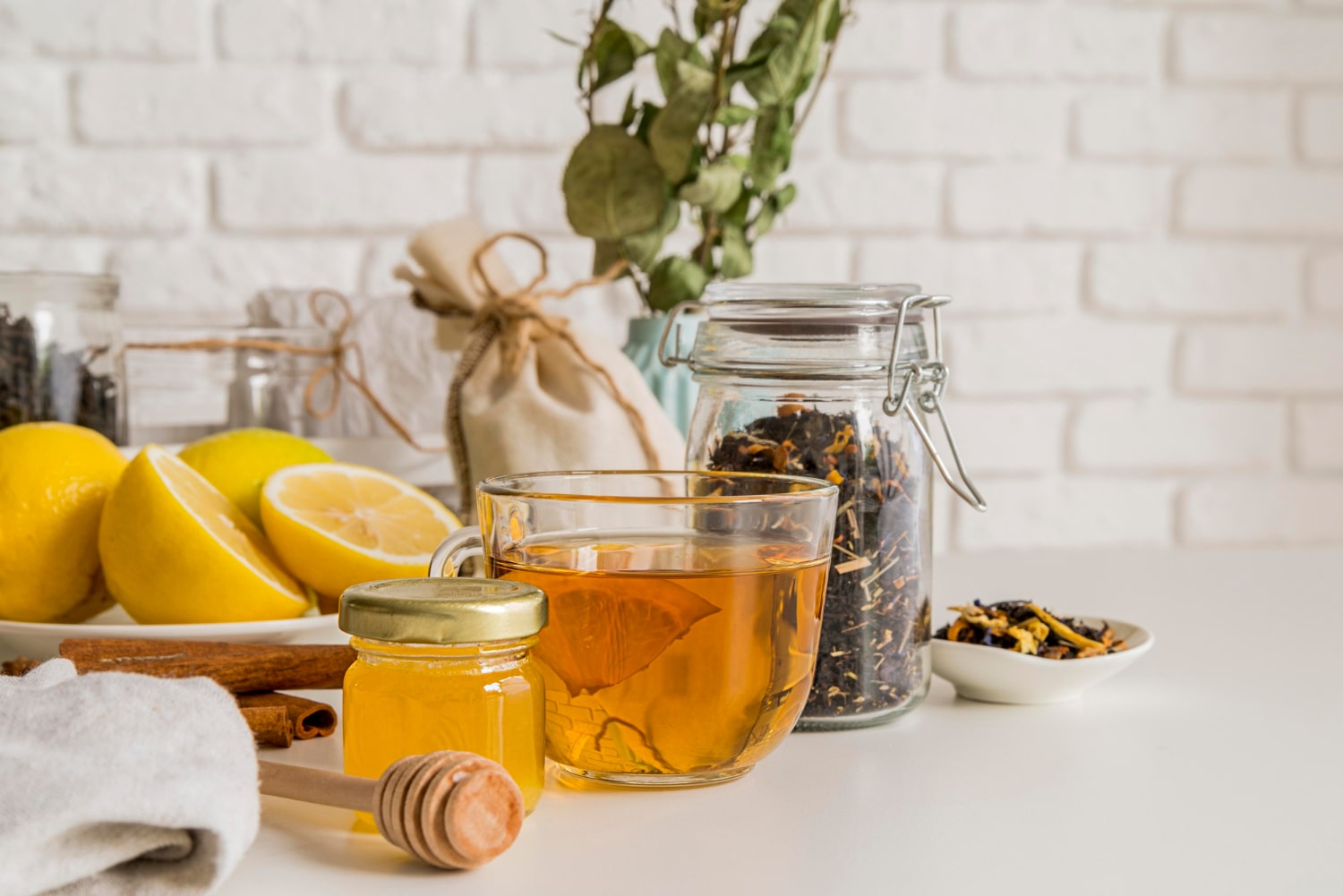
- Beneficial Choices: Water, herbal teas (non-caffeinated), non-acidic fruits and vegetables.
- Mechanism of Action: Reducing direct bladder mucosal irritation, lowering urine acidity.
Personalized Dietary Adjustment
Consider gradually reducing intake of known bladder irritants and observing any changes in bladder comfort and the frequency of spasms.
2. Master Your Hydration Strategy
Adequate hydration is fundamental for overall health, yet the *way* you hydrate matters greatly for bladder comfort. Too little water can lead to concentrated urine, which may act as a potent irritant to the bladder wall. Conversely, excessive intake can overwhelm the bladder, leading to increased urgency.
The goal is to maintain a consistent intake of clear fluids throughout the day. This keeps urine dilute, minimizing the presence of irritating waste products. Spreading your fluid consumption evenly prevents large volumes from rapidly filling the bladder, which can sometimes provoke a spasm in sensitive individuals.
Water is always the preferred fluid for hydration. Limiting sugary drinks and beverages high in artificial colors or flavors is also a common recommendation. These additives can sometimes contribute to bladder sensitivity, similar to dietary irritants.
Hydration Best Practices
- Fluid Type: Primarily plain water.
- Timing Strategy: Consistent, moderate intake throughout the waking hours.
- Mechanism of Action: Maintains urine dilution, reduces bladder irritation from concentrated waste.
Strategic Fluid Intake
Aim for steady hydration throughout the day, ensuring urine remains pale yellow without overfilling the bladder at any single time.
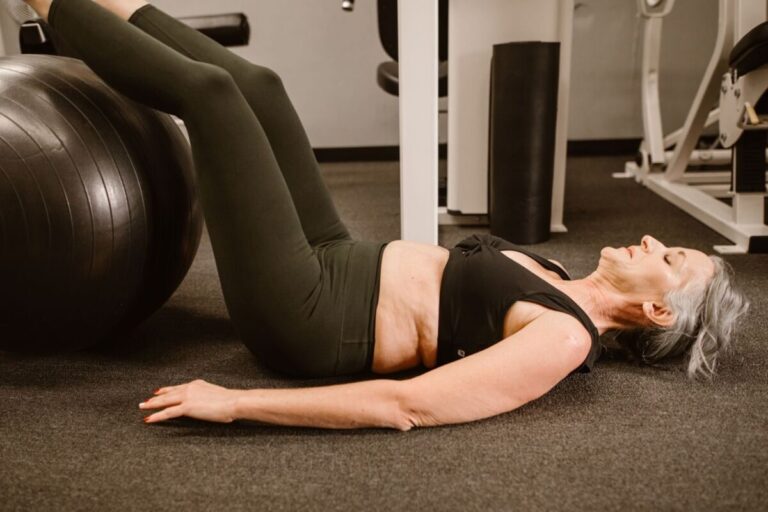
3. Incorporate Gentle Pelvic Floor Comfort Techniques
The pelvic floor muscles play a vital role in bladder control and support. When these muscles are overly tense or dysfunctional, they can contribute to various urinary sensations, including bladder spasms. Gentle techniques aimed at relaxing and strengthening these muscles can offer comfort.
Practices often discussed involve learning to consciously relax the pelvic floor. This isn’t about strengthening, but rather about releasing tension that might be contributing to discomfort. Mindful breathing exercises, where you focus on relaxing the pelvic area during exhalation, can be particularly helpful.
Some individuals find that guided exercises, often referred to as specific pelvic floor training, can help improve the coordination and endurance of these muscles. These methods are typically introduced and supervised by a specialized therapist to ensure proper technique and address individual needs. People with underlying conditions often work with a qualified healthcare professional for personalized guidance.
Pelvic Floor Support Strategies
- Primary Focus: Relaxation and gentle strengthening.
- Beneficial Practice: Controlled breathing with pelvic floor release.
- Mechanism of Action: Easing muscle tension, enhancing bladder support and coordination.
Mindful Pelvic Engagement
Practice gentle, conscious relaxation of your pelvic floor muscles, particularly during moments of discomfort, to promote a sense of ease.
4. Embrace Mind-Body Stress Reduction
Stress is a pervasive factor that influences numerous bodily systems, including the urinary tract. The intricate connection between the brain and bladder means that periods of heightened emotional or psychological stress can sometimes exacerbate existing bladder sensitivities or contribute to the occurrence of spasms.
When the body perceives stress, it often activates the “fight or flight” response, which can lead to increased muscle tension throughout the body. The bladder muscles are not immune to this, and sustained tension can trigger or intensify spasms. Managing stress, therefore, becomes a crucial component of bladder wellness.
Techniques such as deep diaphragmatic breathing, meditation, and progressive muscle relaxation are widely discussed for their ability to calm the nervous system. Regular practice of these methods can help to lower overall stress levels, which in turn may reduce the frequency and intensity of bladder spasms for some individuals. Research from the National Institutes of Health often highlights the link between psychological factors and bladder function.
Stress Reduction Practices for Bladder Wellness
- Core Principle: Calming the nervous system.
- Effective Methods: Deep breathing, mindfulness meditation, progressive relaxation.
- Mechanism of Action: Reducing systemic muscle tension, dampening neural signals that can provoke spasms.
Consistent Stress Management
Regularly engage in stress-reducing activities, even for short periods, to foster a calmer internal environment and potentially lessen bladder sensitivity.
5. Utilize Targeted Warmth and Comfort
Applying gentle warmth to the lower abdominal area is a time-honored comfort strategy that many people find soothing for various types of muscular discomfort, including bladder spasms. The localized heat can promote relaxation of muscles in the region, which may help to ease the sensation of cramping.
A warm compress, a heating pad set to a low temperature, or even a warm bath can provide this localized comfort. The warmth helps to increase blood flow to the area, which some people believe aids in muscle relaxation. It’s important to ensure the warmth is gentle and never too hot to avoid skin irritation.
This approach offers immediate, non-invasive relief that can be used whenever spasms occur. It doesn’t address the underlying cause but provides a direct pathway to feeling more at ease during an episode. It’s a simple, accessible method for managing acute discomfort.
Warmth Application for Bladder Comfort
- Application Method: Warm compress, heating pad (low setting), warm bath.
- Beneficial Effect: Muscle relaxation, increased localized comfort.
- Mechanism of Action: Promotes vasodilation and muscle relaxation in the lower abdomen.
Gentle Heat Application
When experiencing discomfort, apply a gentle warm compress to your lower abdomen for 10-15 minutes to encourage muscle relaxation.
6. Explore Specific Botanical Support
Certain botanicals have long been explored for their potential to support urinary tract comfort and function. These plant-derived compounds often possess properties that are discussed in the context of soothing irritation or promoting a sense of calm within the urinary system. It’s important to approach botanical support with an understanding of their traditional uses and how they might complement other wellness strategies.
For instance, certain standardized botanical extracts may be considered for their properties that contribute to overall bladder wellness. These are often framed as supporting the body’s natural processes of maintaining comfort. People often seek forms that offer good absorption, such as highly concentrated extracts.
It’s always prudent to discuss the introduction of any new botanical regimen with a healthcare provider, especially if you have existing health conditions or are taking other supplements. This information is educational and not a substitute for medical advice.
Botanical Considerations for Bladder Wellness
| Botanical Name | Traditionally Explored For | Key Considerations |
|---|---|---|
| Corn Silk (Zea mays) | Supporting urinary tract comfort, promoting healthy flow | Often used in liquid extracts or teas; gentle diuretic properties |
| Marshmallow Root (Althaea officinalis) | Soothing mucosal membranes, supporting irritation relief | Contains mucilage; typically prepared as a tea or cold infusion |
| Cranberry Extract (Vaccinium macrocarpon) | Promoting urinary tract health, preventing bacterial adhesion | Often standardized for proanthocyanidins (PACs); not a treatment for existing conditions |
Consideration of Botanical Extracts
When exploring botanical support, consider discussing well-researched, standardized extracts with a healthcare professional to understand their potential role in your wellness routine.
Frequently Asked Questions
What causes bladder spasms?
Bladder spasms are involuntary contractions of the detrusor muscle in the bladder wall. These can be associated with various factors including irritation from concentrated urine, certain dietary components, nerve signals, or underlying health conditions. They often prompt a sudden, strong urge to urinate.
Can stress really affect bladder spasms?
Yes, stress and anxiety are commonly discussed as factors that can influence bladder function. Emotional tension can lead to increased muscle contraction throughout the body, including the bladder. This mind-body connection suggests that stress management techniques may contribute to bladder comfort for some people.
How quickly can lifestyle changes help with bladder spasms?
The timeline for experiencing comfort from lifestyle adjustments varies greatly among individuals. Some people may notice changes relatively quickly, within days or weeks of implementing dietary modifications or stress reduction techniques. Consistent adherence to these practices generally yields better long-term support for bladder wellness.
Are there specific foods I should absolutely avoid?
While individual sensitivities vary, many people find that highly acidic foods, caffeine, alcohol, carbonated beverages, and artificial sweeteners can sometimes irritate the bladder. It’s often recommended to observe your personal reactions to these items and adjust your diet accordingly. People with underlying conditions often work with a qualified healthcare professional for personalized guidance.
The Bottom Line
Navigating the discomfort of bladder spasms often involves a blend of awareness, patience, and strategic lifestyle adjustments. By focusing on dietary optimization, thoughtful hydration, stress reduction, and gentle comfort measures, you can create a more supportive environment for your bladder. These strategies aren’t quick fixes but represent a commitment to holistic well-being that can bring meaningful comfort over time.
Develop a personalized strategy by tracking your responses to different lifestyle changes, and always consult a healthcare professional for persistent concerns.
Get Your FREE Natural Health Guide!
Subscribe now and receive our exclusive ebook packed with natural health tips, practical wellness advice, and easy lifestyle changes, delivered straight to your inbox.