Embracing Serenity: Your Guide to Healing Crystals for Inner Peace
In our modern world, finding moments of calm amid constant demands feels increasingly vital. Many people explore various practices to cultivate a sense of inner tranquility, looking for tools that resonate with their personal wellness journey.
One such path involves the long-held tradition of working with healing crystals. These unique formations from the Earth have been cherished across cultures for centuries, not just for their beauty, but for their perceived energetic properties and symbolic associations.
Understanding how to thoughtfully incorporate these natural treasures can support a mindful lifestyle. This guide will explore seven specific crystals often associated with promoting a deeper sense of inner peace and emotional balance.
Amethyst: The Stone of Calm and Clarity
Amethyst, a beautiful violet variety of quartz, has been prized since ancient times. Its name originates from the Greek word “amethystos,” meaning “not intoxicated,” reflecting its historical use as a talisman against overindulgence and for fostering mental sobriety.
Ancient Egyptians used amethyst for carving amulets and jewelry, while medieval European soldiers wore it for protection and to maintain a clear head in battle. Its deep purple hues are often linked to spiritual awareness and the quieting of an overactive mind.
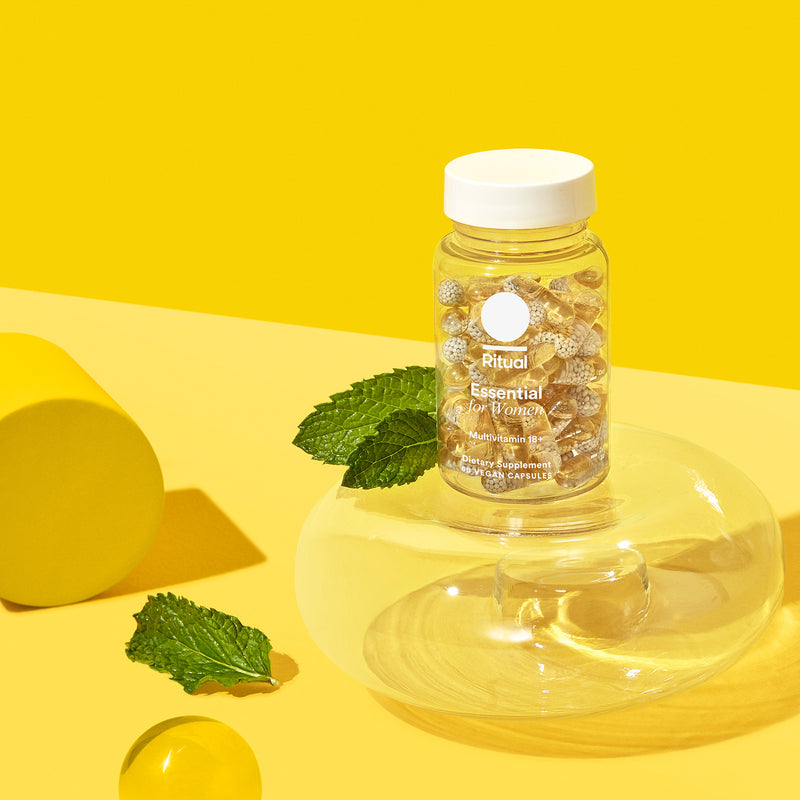
Ritual™ Daily Multivitamin
- Formulated to help close common nutrient gaps often caused by on-the-go routines
- Designed to support daily baseline nutritional health without mega-dosing or unnecessary fillers
- Manufactured in a cGMP-compliant, FDA-registered facility
Many people find amethyst’s presence conducive to creating a peaceful environment. It’s often placed in bedrooms or meditation spaces, believed to encourage a restful atmosphere and facilitate clearer thinking during quiet contemplation.
Properties and Practice
- Composition: Silicon dioxide (SiO₂).
- Color: Ranging from light lilac to deep violet.
- Associated Qualities: Serenity, intuition, emotional balance.
- Traditional Use: For promoting calm states and facilitating restful periods.
Placement and Reflection
Consider placing amethyst on a bedside table or within a meditation area. Many individuals simply hold a smooth amethyst stone during moments of quiet reflection, allowing its calming visual presence to support their focus.
Rose Quartz: Cultivating Love and Compassion
Rose quartz, with its delicate pink hues, is widely recognized as the stone of unconditional love. Its gentle energy is often associated with fostering compassion, promoting self-love, and encouraging harmonious relationships.
Records indicate that rose quartz was used by ancient Assyrians as early as 7000 BC for jewelry. Roman and Egyptian civilizations also utilized it in beauty rituals and as a symbol of love and reconciliation. Its soft appearance mirrors the tender feelings it’s often believed to inspire.
For those seeking inner peace, rose quartz can serve as a gentle reminder to approach oneself and others with kindness. It’s frequently recommended for individuals looking to soften their emotional edges or to heal old heart wounds.
Properties and Practice
- Composition: Silicon dioxide (SiO₂).
- Color: Pale pink to deep rose.
- Associated Qualities: Love, compassion, emotional healing.
- Traditional Use: For opening the heart and fostering gentle feelings.
Integrating into Daily Life
A small piece of rose quartz can be carried in a pocket or placed near personal photographs to evoke feelings of love and connection. Some people enjoy placing rose quartz in their living spaces to create a warm, inviting atmosphere.
Clear Quartz: The Master Amplifier of Intentions
Clear quartz, often called the “Master Healer” or “Universal Crystal,” is celebrated for its clarity and versatility. This transparent mineral is believed to amplify energy and intention, making it a foundational crystal in many wellness practices.
Throughout history, clear quartz has held significant cultural value. Ancient civilizations, including the Greeks, Romans, and Native Americans, used it for scrying, spiritual rituals, and adornment. Its pure, unblemished appearance symbolized light and purity.
For inner peace, clear quartz is valued for its capacity to bring mental clarity. It’s often used to help clear mental clutter and to focus thoughts during meditation, allowing individuals to connect more deeply with their inner wisdom and intentions.
Properties and Practice
- Composition: Silicon dioxide (SiO₂).
- Color: Transparent, colorless.
- Associated Qualities: Clarity, amplification, focus.
- Traditional Use: For enhancing other energies and promoting mental focus.
Reflective Focus Method
Hold a clear quartz point during meditation to help direct your intentions. It can also be placed amongst other crystals to amplify their perceived energetic properties, supporting a more focused practice for inner calm.
Black Tourmaline: Grounding and Protection
Black tourmaline is a powerful protective stone, recognized by its striking opaque black color and often striated texture. It’s traditionally viewed as a shield against negative energies, promoting a sense of security and grounding.
Historically, various cultures have used tourmaline in different forms. It was known to ancient Egyptians and Roman scholars, though its comprehensive study began much later. In folk traditions, black tourmaline was often utilized for warding off ill wishes and creating a protective aura.
For those seeking inner peace, black tourmaline can be particularly useful in environments that feel overwhelming or chaotic. It’s thought to assist in maintaining composure and fostering a stable inner state, even when external pressures are high.
Properties and Practice
- Composition: Complex borosilicate mineral.
- Color: Opaque black.
- Associated Qualities: Protection, grounding, energetic cleansing.
- Traditional Use: For creating a sense of safety and stability.
Environmental Placement Guidance
Place black tourmaline near electronic devices or at entryways to your home to help establish a boundary of calm. Many people also carry a small piece for personal grounding throughout the day, particularly during stressful periods.
Citrine: The Stone of Joy and Abundance
Citrine, a sunny yellow to golden-brown variety of quartz, is often associated with joy, optimism, and abundance. Its vibrant color evokes the warmth and energy of the sun, traditionally believed to bring light and positive feelings.
The name “citrine” comes from the French word “citron,” meaning lemon, reflecting its characteristic hue. It has been used in jewelry and decorative objects since ancient Greek and Roman times. Historically, it was also considered a stone of prosperity.
When cultivating inner peace, citrine can serve as a beacon of positivity. It’s often used to encourage a cheerful outlook, to help dispel gloom, and to invite a feeling of inner richness and contentment. This can be especially helpful in navigating emotional challenges with resilience.
Properties and Practice
- Composition: Silicon dioxide (SiO₂).
- Color: Yellow, orange, golden-brown.
- Associated Qualities: Joy, abundance, optimism.
- Traditional Use: For attracting positive energy and fostering cheerfulness.
Personal Inspiration Method
Place citrine on your desk or in a space where you perform creative work to inspire a sense of joy and focus. Carrying it with you can also serve as a personal reminder to seek out positive perspectives throughout your day.
Selenite: Purification and Serenity
Selenite is a crystalline form of gypsum, known for its ethereal glow and often translucent appearance. It’s celebrated for its perceived purifying properties and its ability to promote a deep sense of peace and mental clarity.
The name “selenite” is derived from Selene, the Greek goddess of the Moon, due to its soft, moon-like luminescence. While not as ancient in widespread use as some other crystals, its unique qualities have made it a popular choice in modern wellness practices.
For individuals seeking inner peace, selenite is often used to clear stagnant energy and create a serene environment. Its gentle nature is believed to facilitate a calm mind, making it an excellent companion for meditation and quiet contemplation, helping to smooth emotional waves.
Properties and Practice
- Composition: Hydrated calcium sulfate (CaSO₄·2H₂O).
- Color: Translucent white, sometimes with a pearly luster.
- Associated Qualities: Purification, serenity, mental clarity.
- Traditional Use: For clearing energy and promoting peaceful states.
Space Cleansing Ritual
Run a selenite wand through the air around your body or around a room to clear the space. Placing selenite plates or bowls in your home can also help maintain a feeling of lightness and calm, contributing to an overall sense of inner peace.
Sodalite: Enhancing Inner Wisdom and Communication
Sodalite is a beautiful blue mineral often streaked with white calcite. It is traditionally associated with enhancing inner wisdom, promoting rational thought, and facilitating calm, clear communication, both internally and externally.
First discovered in Greenland in the early 19th century, sodalite gained popularity as an ornamental stone. Its rich blue color often links it to the sky and deep thought, inspiring reflection and thoughtful expression. Ancient cultures valued blue stones for their connection to the divine and intellect.
For cultivating inner peace, sodalite can be beneficial for those who tend to overthink or struggle with self-expression. It’s believed to help quiet the mental chatter and encourage a more balanced, logical approach to challenges, fostering a quiet confidence in one’s own insights.
Properties and Practice
- Composition: Sodium aluminum silicate chloride (Na₄Al₃Si₃O₁₂Cl).
- Color: Deep blue, often with white veins.
- Associated Qualities: Inner wisdom, rational thought, calm communication.
- Traditional Use: For promoting mental clarity and self-expression.
Meditation and Journaling Support
Hold sodalite during meditation to deepen your self-reflection, or place it on your desk while journaling to encourage clear thought. Its presence can gently guide you toward expressing your truth with greater ease and inner peace.
Choosing and Caring for Your Healing Crystals
Selecting crystals is a deeply personal process. Many people find that certain stones “call” to them through their appearance, texture, or the intuitive feeling they evoke. Trust your instincts when choosing which crystals to incorporate into your personal practice.
Once you’ve selected your crystals, regular care can help maintain their perceived vibrancy. This often involves gentle cleansing, a practice thought to clear any accumulated energies and prepare them for your intentions.
Some popular cleansing methods include placing crystals in moonlight overnight, gently rinsing them with water (check if your specific crystal is water-safe first), or using sound vibrations from a singing bowl. The intention behind the cleansing is as important as the method itself.
Understanding Different Crystal Forms
Crystals come in various forms, each offering a distinct way to engage with their energy. Raw crystals, in their natural, unpolished state, often feel particularly potent and connected to their origins. Tumbled stones, smoothed through a polishing process, are comfortable to hold and carry.
Points and wands are shaped to direct energy, often used in focused meditation or to clear spaces. Geodes and clusters provide a beautiful display, believed to radiate energy outward, enhancing the atmosphere of a room. Your choice depends on your preference and intended use.
The physical properties of crystals are fascinating aspects of the natural world. Learning about the mineralogy of quartz, for example, provides insight into the Earth’s geological processes, which create these diverse forms over millennia.
Here is a summary comparing the primary associations of these crystals:
| Crystal | Primary Color | Core Inner Peace Association |
|---|---|---|
| Amethyst | Violet | Calmness, Mental Clarity |
| Rose Quartz | Pink | Self-Love, Compassion |
| Clear Quartz | Transparent | Focus, Amplification of Intent |
| Black Tourmaline | Black | Grounding, Protection |
| Citrine | Yellow/Orange | Joy, Optimism |
| Selenite | Translucent White | Purification, Serenity |
| Sodalite | Deep Blue | Inner Wisdom, Calm Communication |
Frequently Asked Questions About Healing Crystals
Can anyone use healing crystals?
Yes, anyone can explore incorporating crystals into their wellness practices. There are no specific prerequisites; it’s a matter of personal interest and openness to their traditional associations. Many people find simply having them nearby aesthetically pleasing.
How often should I cleanse my crystals?
The frequency of cleansing is a personal choice, often guided by how often you use your crystals or if you feel their energy has become dulled. Some people cleanse theirs weekly, others monthly, or after particularly intense periods.
Do I need to believe in crystals for them to “work”?
The effectiveness of crystals in promoting inner peace is largely subjective and based on personal belief and intention. Many people find that simply engaging in mindful practices with a crystal can be beneficial, regardless of specific energetic beliefs. It’s often about the ritual and intention you bring to the practice.
Where is the best place to buy crystals?
Crystals are available from many sources, including local metaphysical shops, gem and mineral shows, and online retailers. When purchasing, it can be helpful to see the crystal in person to feel its unique texture and appreciate its natural beauty. Ensure you are buying from a reputable vendor.
The Bottom Line
The journey to inner peace is a personal one, and the tools we choose to assist us are as varied as our individual paths. Healing crystals, with their rich history and beautiful forms, offer a tangible way to engage in mindful reflection and intentional living.
Whether you are drawn to the calming embrace of amethyst or the protective shield of black tourmaline, incorporating these natural elements into your life can serve as a gentle reminder to cultivate tranquility.
Embrace Your Crystal Journey
Begin by selecting a crystal that resonates with your current needs, and allow its presence to support your practice of mindfulness and self-care. People with underlying conditions often work with a qualified healthcare professional for personalized guidance. This information is educational and not a substitute for medical advice.
Get Your FREE Natural Health Guide!
Subscribe now and receive our exclusive ebook packed with natural health tips, practical wellness advice, and easy lifestyle changes, delivered straight to your inbox.