Starting Your Emotional Healing Journey: A Foundational Guide
Embarking on an emotional healing journey signifies a profound commitment to personal well-being. This path involves more than just acknowledging difficult feelings; it necessitates a deliberate and structured approach to process, integrate, and move past experiences that create discomfort.
Emotional healing isn’t a singular event but a continuous process of self-discovery and growth. It often requires re-evaluating long-held beliefs, understanding the physiological responses to stress, and cultivating new coping mechanisms.
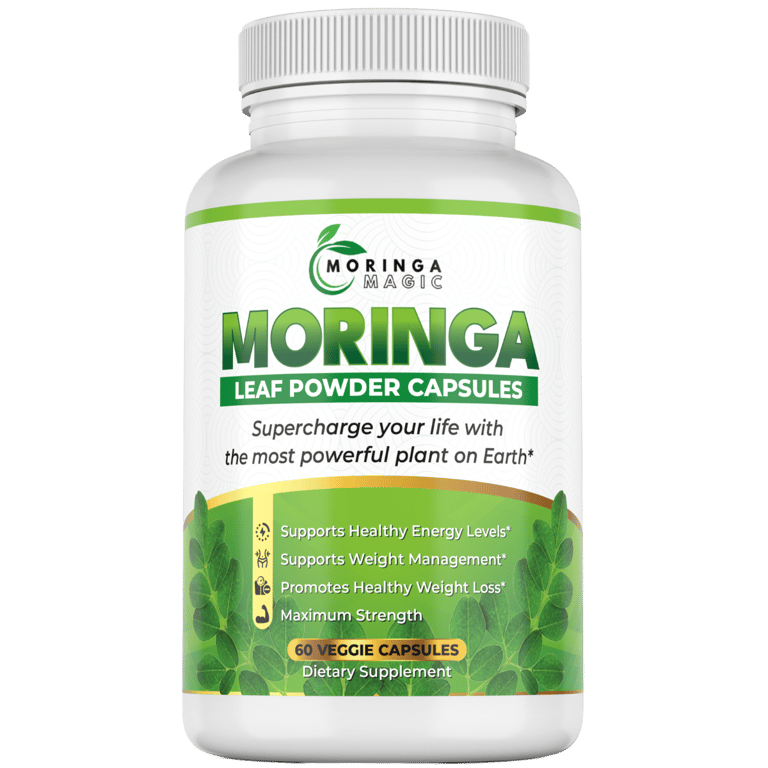
Moringa Magic™ Plant-Based Routine
- Highly bioavailable, plant-based routine designed to provide foundational nutritional support
- Helps your body optimize daily nutrient absorption and address hidden nutrient gaps
- Manufactured in a cGMP-compliant, FDA-registered facility without heavy stimulants
True progress comes from consistent effort and a clear understanding of the steps involved. This guide outlines seven powerful actions to help you build a robust foundation for lasting emotional health.
Step 1: Cultivate Radical Self-Awareness
Radical self-awareness forms the bedrock of emotional healing. It involves an honest, non-judgmental observation of your internal landscape: your thoughts, feelings, physical sensations, and behavioral patterns. This isn’t about self-criticism, but rather objective recognition.
Ancient philosophical traditions, from Stoicism to Buddhist practices, have long emphasized the importance of self-observation. They contend that understanding one’s inner workings is the first step toward genuine freedom and emotional regulation. Without this insight, reactions often remain automatic and unconscious.
A common pitfall is to intellectualize emotions rather than truly feel them. People might analyze why they feel a certain way without actually connecting with the raw sensation. This bypasses the very core of what needs to be acknowledged and processed.
- Key Aspect: Non-judgmental Observation
- Primary Benefit: Identifies underlying emotional triggers
- Practice Idea: Daily emotional check-ins
Practice Implementation
Begin each day with a brief internal scan, noting any prevailing moods or physical tensions without attempting to change them.
Step 2: Acknowledge and Validate Emotions
Once you perceive your emotions, the next crucial step is to acknowledge and validate their presence. Many individuals learn to suppress or dismiss certain feelings, particularly those deemed “negative” like anger, sadness, or fear. This suppression can create a backlog of unprocessed emotional energy.
Psychological frameworks consistently point to the importance of emotional acceptance. When an emotion is validated, it often loses some of its intensity. It signals to your nervous system that it’s safe to experience, rather than fight, these internal states. This doesn’t mean dwelling on them indefinitely.
A frequent error is mistaking validation for approval or permanent acceptance of a situation. Validating an emotion simply means recognizing its existence and allowing yourself to feel it, separate from whether you agree with its cause or wish for it to persist.
- Key Aspect: Emotional Acceptance
- Primary Benefit: Reduces emotional resistance and intensity
- Practice Idea: Journaling thoughts and feelings
Guided Exercise
Write down specific emotions you are experiencing, then state: “It is okay that I feel [emotion] right now.”
Step 3: Cultivate Self-Compassion
Self-compassion involves treating yourself with the same kindness, care, and understanding you would offer a good friend experiencing a difficult time. It’s particularly vital during emotional healing, when vulnerability and discomfort are often heightened.
Research suggests that self-compassion can foster greater emotional resilience and well-being. Instead of self-criticism, which often accompanies setbacks, a compassionate approach encourages learning from experiences without shame. This internal support system becomes a powerful ally.
People often misunderstand self-compassion as self-pity or an excuse to avoid responsibility. In reality, it’s a proactive stance that enables individuals to face their imperfections and struggles with greater clarity and motivation for positive change.
- Key Aspect: Unconditional Self-Kindness
- Primary Benefit: Builds emotional resilience and inner peace
- Practice Idea: Self-compassion meditation
Daily Practice Suggestion
When you notice self-critical thoughts, consciously reframe them into supportive and understanding statements, as if speaking to a loved one.
Step 4: Engage in Restorative Practices
Restorative practices are activities that actively replenish your emotional, mental, and physical energy stores. These are not mere distractions, but intentional efforts to reset the nervous system and foster a sense of calm and safety within the body.
Historically, cultures have incorporated rituals of rest and renewal, recognizing their essential role in human flourishing. These practices help balance the physiological responses to stress, moving the body from a state of heightened alert toward a more relaxed, restorative mode.
A common mistake is neglecting consistent restorative practices until burnout occurs. Many view them as luxuries rather than fundamental components of health. However, sustained emotional healing demands a regular influx of calming and grounding activities.
- Key Aspect: Active Energy Replenishment
- Primary Benefit: Supports nervous system regulation
- Practice Idea: Deep breathing exercises, gentle yoga
Integration Strategy
Schedule short, intentional restorative breaks throughout your day to prevent emotional depletion, such as a 5-minute deep breathing session.
Step 5: Nourish the Mind-Body Connection
The intricate connection between the mind and body profoundly influences emotional well-being. Nourishing this connection involves paying attention to physical health aspects that significantly impact mood and mental clarity, including nutrition, movement, and sleep.
Modern understanding of physiology reinforces what ancient systems knew: what affects the body often affects the mind. For example, specific nutrients can support neurotransmitter synthesis, which plays a role in mood regulation. Physical activity can also help manage the body’s stress response.
The error many people make is separating emotional issues from physical ones, treating them as distinct problems. Yet, poor sleep, inadequate nutrition, or lack of movement can exacerbate emotional distress, making healing more challenging. Addressing these physical foundations is not a cure but a vital support.
People with underlying conditions often work with a qualified healthcare professional for personalized guidance.
This information is educational and not a substitute for medical advice.
| Aspect of Connection | Impact on Emotional Well-being | Wellness Focus |
|---|---|---|
| Nutrition | Influences mood and cognitive function | Balanced intake of whole foods |
| Movement | Helps manage stress responses | Regular, moderate physical activity |
| Sleep | Essential for emotional regulation | Consistent, sufficient sleep duration |
| Hydration | Supports overall brain function | Adequate daily water consumption |
- Key Aspect: Holistic Physical Health
- Primary Benefit: Provides physiological support for emotional stability
- Practice Idea: Mindful eating, regular walks
Wellness Protocol
Prioritize whole, unprocessed foods, aim for consistent sleep patterns, and integrate varied movement into your daily routine to support overall equilibrium.
Step 6: Build Supportive Connections
Human beings are inherently social creatures, and genuine connection plays a crucial role in emotional healing. Engaging with trusted friends, family, or community groups provides a sense of belonging, reduces isolation, and offers opportunities for shared experience and perspective.
Across cultures, communal support systems have historically been vital for navigating life’s challenges. Sharing burdens can lighten their weight, and receiving empathy from others helps validate one’s experiences. This external validation complements internal self-validation.
A common error is to isolate oneself during periods of emotional difficulty, believing it’s a burden on others or that one must cope alone. While personal reflection is important, neglecting social ties can prolong feelings of loneliness and hinder the healing process.
Research from the National Institute of Mental Health shows that strong social connections are often associated with better health outcomes.
- Key Aspect: Social Engagement
- Primary Benefit: Fosters belonging and mutual support
- Practice Idea: Regular check-ins with trusted individuals
Engagement Strategy
Actively seek out opportunities for meaningful interaction, whether through volunteer work, joining a hobby group, or simply nurturing existing friendships.
Step 7: Seek Professional Guidance When Needed
While self-guided strategies are powerful, some emotional challenges benefit greatly from professional guidance. This step involves recognizing when a situation’s complexity or depth extends beyond what personal resources can effectively address.
Professionals, such as licensed therapists, counselors, or coaches, offer specialized tools and frameworks for processing complex emotions, trauma, and behavioral patterns. They provide a neutral, confidential space to explore challenging issues without judgment, guiding individuals toward deeper insight and resolution.
A significant mistake is viewing professional support as a sign of weakness or failure. Instead, it is a proactive and courageous decision to invest in one’s emotional health and accelerate the healing journey. They help individuals develop personalized strategies for long-term well-being.
- Key Aspect: Expert Facilitation
- Primary Benefit: Provides specialized tools for complex emotional processing
- Practice Idea: Consult a qualified professional
Resource Identification
Identify licensed professionals in your area who specialize in emotional well-being and schedule an initial consultation to discuss your needs.
Frequently Asked Questions About Emotional Healing
Here are some common inquiries regarding the process of emotional healing.
How long does emotional healing take?
The timeline for emotional healing is highly individual. It isn’t a linear process and varies based on personal history, the depth of past experiences, and consistent application of healing strategies. Progress often involves waves, with periods of rapid insight followed by slower integration.
Can nutrition really impact my emotional state?
Yes, nutrition plays a significant supporting role in emotional well-being. A balanced diet provides the essential nutrients the brain needs to function optimally, influencing neurotransmitter production and energy levels. While not a cure, it can be a critical foundation for feeling more stable.
What if I don’t feel comfortable sharing my emotions with others?
It’s natural to feel hesitant about sharing deep emotions. Begin by practicing self-awareness and journaling to process feelings internally. When you feel ready, consider confiding in one very trusted individual or seeking the guidance of a professional who can provide a safe, confidential space.
The Bottom Line
Starting an emotional healing journey is a significant and rewarding endeavor. It requires introspection, courage, and a commitment to nurturing your inner world. By embracing self-awareness, validating your feelings, practicing self-compassion, engaging in restorative activities, nourishing your body, building supportive connections, and seeking professional help when appropriate, you lay a solid groundwork for enduring emotional well-being.
Begin by focusing on one step at a time, allowing each small victory to build momentum towards a more peaceful and resilient self.
Get Your FREE Natural Health Guide!
Subscribe now and receive our exclusive ebook packed with natural health tips, practical wellness advice, and easy lifestyle changes, delivered straight to your inbox.