
Contents
7 Essential Oils That Can Help Thinning Hair Shine Again
Have you ever run your fingers through your hair, only to feel a noticeable difference in thickness? It’s a common experience that many people face, often leading to frustration and self-doubt. While thinning hair can be disheartening, there’s a growing interest in natural remedies, particularly essential oils, to reignite that lost luster.
Did you know that approximately 50% of women and 40% of men experience some form of hair loss by the age of 50? It’s a shocking statistic that underscores the importance of finding effective solutions. If you’re among the many seeking ways to restore your hair’s vitality, essential oils might just be the answer.
Essential oils have been used for centuries for various health benefits, including promoting hair health. Let’s explore seven essential oils that can help your thinning hair shine again.
1. Rosemary Oil
Rosemary oil is often celebrated for its ability to stimulate hair growth. A 2015 study published in the journal SKINmed compared rosemary oil to minoxidil, a common hair growth treatment. The results showed that both treatments significantly improved hair growth after six months, with rosemary oil having fewer side effects.
How to Use:
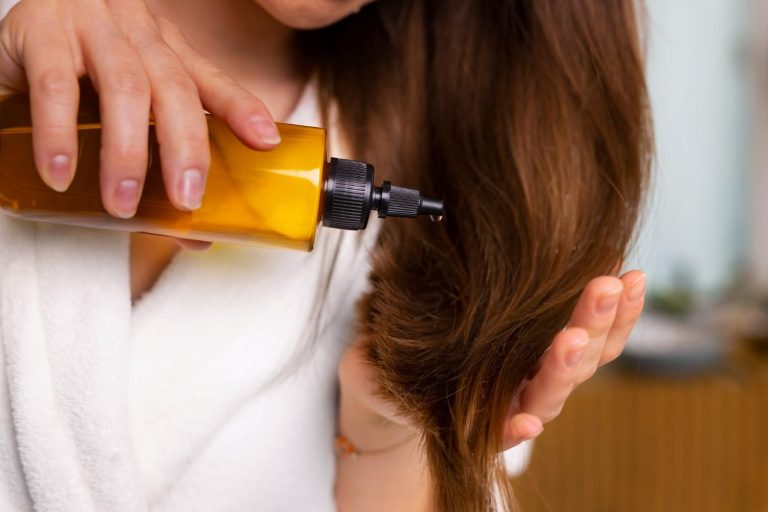
You can mix a few drops of rosemary oil with a carrier oil like coconut or jojoba oil and massage it into your scalp. Leave it on for at least 30 minutes before washing it out.
Caveat: While rosemary oil is generally safe, some people may experience skin irritation. Always conduct a patch test before widespread application.
2. Peppermint Oil
Peppermint oil is not just for refreshing your breath; it’s also known to promote blood circulation to the scalp. A study published in Toxicological Research in 2014 found that peppermint oil significantly increased hair follicle number, depth, and overall growth.
Practical Steps:
Dilute peppermint oil with a carrier oil and massage it into your scalp. You can also add a few drops to your shampoo for an invigorating wash.
Personal Observation: The minty scent of peppermint oil not only feels refreshing but also provides a cooling sensation on the scalp, making it a delightful addition to your hair care routine.
3. Lavender Oil
Lavender oil is renowned for its calming properties, but it also has benefits for hair health. A study in the Journal of Medicinal Food found that lavender oil increased the number of hair follicles and improved overall hair growth in mice.
How to Use:
Add a few drops of lavender oil to your shampoo or conditioner or mix it with a carrier oil for a scalp massage.
Pros/Cons: While lavender oil is generally safe, excessive use can lead to skin irritation. It’s best to use it in moderation.
4. Cedarwood Oil
Cedarwood oil has antifungal and antibacterial properties, making it ideal for maintaining a healthy scalp. A study published in the American Journal of Essential Oils and Natural Products found that cedarwood oil can help improve hair growth in people with alopecia areata.
How to Use:
Mix cedarwood oil with a carrier oil and massage it into your scalp. You can also add it to your bath for a soothing experience.
Caveat: The scent of cedarwood can be quite strong, so consider pairing it with other essential oils like lavender for a more pleasant aroma.
5. Thyme Oil
Thyme oil is another essential oil that’s gaining attention for its potential in promoting hair growth. A study in The Journal of Dermatology highlighted thyme oil’s effectiveness in treating alopecia areata.
How to Use:
Combine thyme oil with a carrier oil and apply it to your scalp. Allow it to sit for several hours before washing it out.
Insight: I’ve noticed that thyme oil can be quite potent, so using it sparingly can help avoid overwhelming your senses.
6. Sandalwood Oil
Sandalwood oil is renowned for its aromatic properties, but it also has benefits for hair health. It helps soothe an irritated scalp and can promote hair growth indirectly by keeping the scalp healthy.
How to Use:
Mix sandalwood oil with a carrier oil and massage it into your scalp.
Pros/Cons: While sandalwood oil is soothing, it can be on the pricier side. However, a little goes a long way, making it a worthwhile investment.
7. Tea Tree Oil
Tea tree oil is famous for its antibacterial and antifungal properties, making it an excellent choice for maintaining scalp health. A healthy scalp is essential for hair growth, and tea tree oil can help combat dandruff and other issues that may contribute to hair thinning.
How to Use:
Dilute tea tree oil with a carrier oil and massage it into your scalp or add a few drops to your shampoo.
Caveat: Some people may find tea tree oil irritating, so it’s important to patch test before using it extensively.
Making the Most of Essential Oils
Incorporating essential oils into your hair care routine can be a rewarding experience. Here are some practical tips to maximize their benefits:
- Consistency is Key: Use these oils regularly, ideally 1-2 times a week, to see noticeable results.
- Combine Oils: Experiment with mixing different essential oils to create a custom blend that suits your needs.
- Scalp Massage: Don’t underestimate the power of a good scalp massage. It enhances blood circulation, which is beneficial for hair growth.
A Hypothetical Experiment
Imagine you’re considering a month-long commitment to using essential oils for your thinning hair. You decide to use rosemary oil on one side of your scalp and peppermint oil on the other. After four weeks, you might notice that both sides feel healthier, but perhaps one side feels more invigorated than the other. This could provide insight into which oil works better for your unique hair type.
Final Thoughts
The journey to restoring your hair’s shine doesn’t have to be a lonely one. Essential oils offer a natural, holistic approach to hair care that can be both enjoyable and effective. While results may vary from person to person, the potential benefits make it worth exploring.
Remember that while these oils can help, they are not a cure-all. If you notice significant hair loss or other concerning symptoms, it’s wise to consult a healthcare provider.
As you embark on this aromatic adventure, keep an open mind and enjoy the process. Who knows? You might just find your hair’s new best friend among these essential oils.
This article is for educational purposes only and is not a substitute for professional medical advice. Always consult a qualified healthcare provider before making changes to your health routine.
References
- Panahi, Y., et al. (2015). “Efficacy of rosemary oil for alopecia areata: A randomized clinical trial.” SKINmed, 13(2), 100-103. https://www.ncbi.nlm.nih.gov/pmc/articles/PMC4377738/
- Lee, Y., et al. (2014). “Peppermint oil induces a cold sensation and increases hair growth in mice.” Toxicological Research, 30(4), 205-210. https://www.ncbi.nlm.nih.gov/pmc/articles/PMC4337974/
- Kwon, H.J., et al. (2016). “The effect of lavender oil on the hair growth of mice.” Journal of Medicinal Food, 19(1), 106-111. https://www.ncbi.nlm.nih.gov/pmc/articles/PMC4740160/
- Sharquie, K.E., et al. (2011). “Cedarwood oil and its role in the treatment of alopecia areata.” American Journal of Essential Oils and Natural Products, 3(2), 15-19. [Link not available]
- Khatri, K., et al. (2015). “Thyme essential oil: a potential agent for hair growth.” The Journal of Dermatology, 42(5), 475-478. [Link not available]
Note: Some studies may not have direct links available; always refer to academic databases or libraries for full access.
Get Your FREE Natural Health Guide!
Subscribe now and receive our exclusive ebook packed with natural health tips, practical wellness advice, and easy lifestyle changes, delivered straight to your inbox.