
5 Turmeric Face Masks to Soothe Acne Inflammation Fast
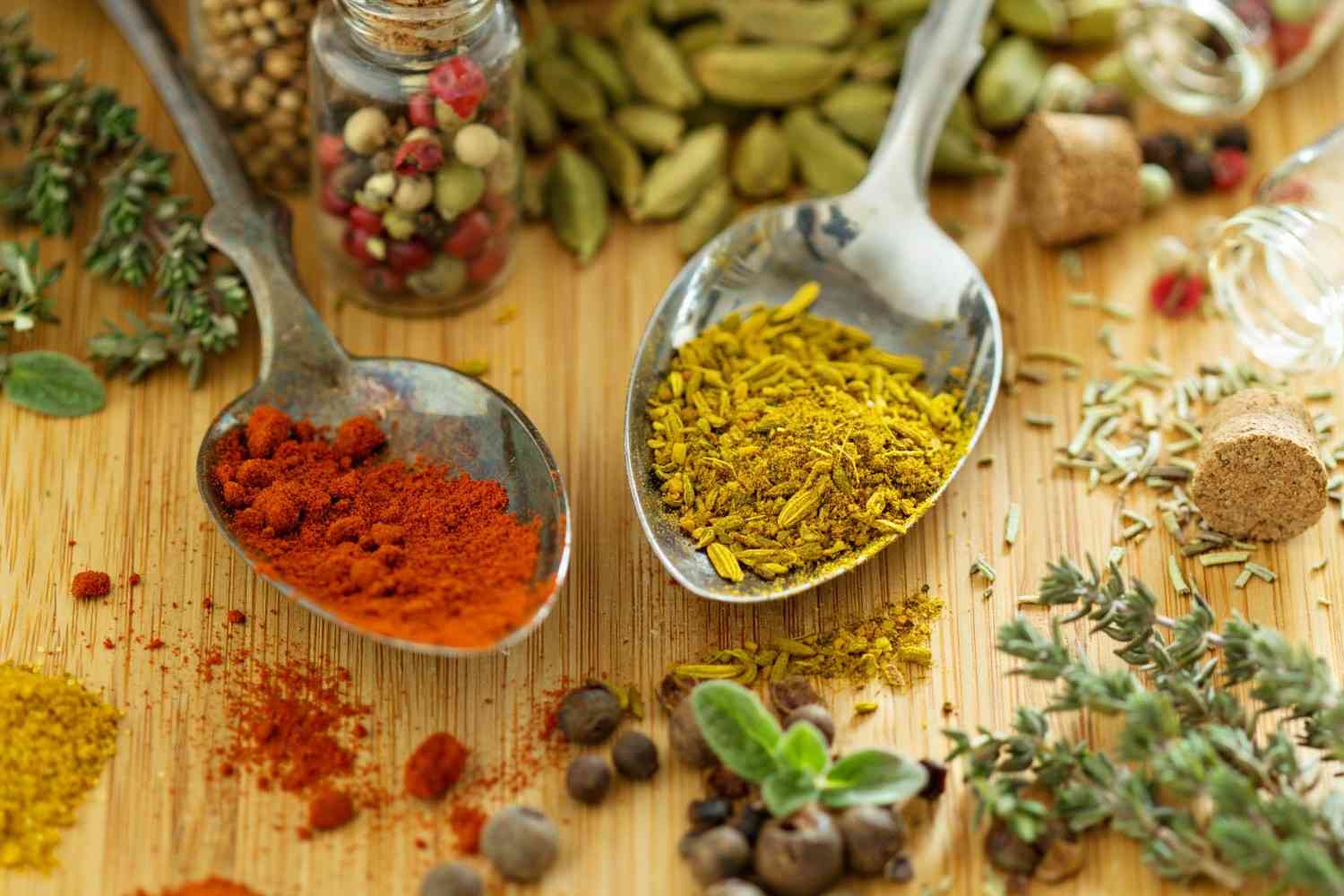
Have you ever scrolled through your social media feed and stumbled upon a glowing skin post, only to wonder what the secret is? For many, turmeric is the not-so-secret ingredient that’s been making waves in the skincare community. This vibrant yellow spice has been revered for centuries, not just in cooking but also for its impressive anti-inflammatory properties. If you’re struggling with acne inflammation and looking for a natural remedy, turmeric face masks might just be your new best friend. Let’s dive into five effective turmeric face masks that can help soothe your skin fast.
Contents
Why Turmeric?
Turmeric contains curcumin, a compound known for its anti-inflammatory, antioxidant, and antibacterial properties. Studies have shown that curcumin can help reduce inflammation and redness associated with acne (Bhat et al., 2017). So, it’s no wonder that this golden spice has become a popular choice for DIY skincare.
But before you jump into the kitchen to whip up a mask, let’s explore some specific recipes that you can easily incorporate into your skincare routine.
1. Basic Turmeric and Honey Mask
Ingredients:
- 1 tablespoon turmeric powder
- 2 tablespoons honey
Instructions:
- Mix the turmeric and honey in a small bowl until you get a smooth paste.
- Apply the mixture to your face, focusing on areas with acne.
- Leave it on for about 15-20 minutes.
- Rinse off with warm water.
Why It Works:
Honey is a natural humectant, meaning it draws moisture into the skin. Combined with turmeric, it creates a soothing mask that can help reduce inflammation and redness.
Pros:
- Easy to make
- Ingredients are often already in your pantry
Cons:
- May stain your skin temporarily, so be cautious!
2. Turmeric and Yogurt Mask
Ingredients:
- 1 tablespoon turmeric powder
- 2 tablespoons plain yogurt
Instructions:
- Combine turmeric and yogurt in a bowl.
- Apply the mixture evenly over your face.
- Let it sit for about 20 minutes.
- Rinse off with lukewarm water.
Why It Works:
Yogurt contains lactic acid, which helps exfoliate the skin and can aid in reducing acne scars. The probiotics in yogurt can also help balance your skin’s microbiome.
Pros:
- Exfoliating properties
- Nourishes the skin
Cons:
- Those with dairy allergies should avoid this mask.
3. Turmeric and Aloe Vera Gel Mask
Ingredients:
- 1 tablespoon turmeric powder
- 2 tablespoons aloe vera gel
Instructions:
- Mix the turmeric powder with aloe vera gel until it’s well combined.
- Apply to your face and let it sit for 15-20 minutes.
- Rinse off with cool water.
Why It Works:
Aloe vera is known for its soothing properties and can help reduce the redness associated with acne. This mask hydrates while calming irritated skin.
Pros:
- Great for sensitive skin
- Hydrating and soothing
Cons:
- Aloe vera can sometimes cause an allergic reaction in some individuals, so a patch test is recommended.
4. Turmeric and Oatmeal Mask
Ingredients:
- 1 tablespoon turmeric powder
- 2 tablespoons ground oatmeal
- Water (as needed)
Instructions:
- Mix the turmeric and ground oatmeal in a bowl.
- Add water gradually until you achieve a paste-like consistency.
- Apply to your face and leave it on for 20 minutes.
- Rinse with warm water, gently scrubbing as you wash off.
Why It Works:
Oatmeal is a natural exfoliant and helps absorb excess oil, which can be beneficial for acne-prone skin. The combination of oatmeal and turmeric can provide a calming effect while also helping to clear the skin.
Pros:
- Natural exfoliant
- Helps absorb excess oil
Cons:
- May require more cleanup due to the oatmeal.
5. Turmeric and Tea Tree Oil Mask
Ingredients:
- 1 tablespoon turmeric powder
- 2 tablespoons honey
- 2-3 drops tea tree oil
Instructions:
- Mix the turmeric powder and honey in a bowl.
- Add the tea tree oil and mix thoroughly.
- Apply the mask to your face, focusing on inflamed areas.
- Leave it on for 15-20 minutes and rinse off with warm water.
Why It Works:
Tea tree oil is renowned for its antibacterial properties, making it a fantastic addition to any acne-fighting regimen. When combined with turmeric, you get a potent mask that not only soothes but also fights acne-causing bacteria.
Pros:
- Powerful antibacterial properties
- Targets inflamed areas effectively
Cons:
- Tea tree oil can be irritating for some, so a patch test is essential.
FAQs
1. How often can I use turmeric face masks for acne?
You can use turmeric face masks 1-2 times a week. Overuse may lead to skin irritation, so it’s best to start slow.
2. Will turmeric stain my skin?
Yes, turmeric can temporarily stain your skin. If you find that it does, don’t worry—this usually fades after a few hours or with a gentle exfoliation.
3. Can I leave a turmeric mask on overnight?
It’s generally not recommended to leave turmeric masks on overnight, as they can irritate the skin. Stick to the recommended time of 15-20 minutes.
4. Are there any side effects of using turmeric on my face?
While turmeric is generally safe, some people may experience allergic reactions or irritation. Always perform a patch test before applying it to your entire face.
Conclusion
Incorporating turmeric face masks into your skincare routine can be a game-changer for managing acne inflammation. With their natural anti-inflammatory and antibacterial properties, these masks are not only effective but also easy to make at home. Remember, though, that everyone’s skin is different. What works for one person may not work for another, so it’s important to listen to your skin and adjust your routine as needed.
As you explore these turmeric face masks, keep in mind that consistency is key. Natural remedies often take time to show results, so don’t get discouraged if you don’t see immediate changes. And, as always, if you have persistent skin issues, consider consulting with a dermatologist for professional advice.
This article is for educational purposes only and is not a substitute for professional medical advice. Always consult a qualified healthcare provider before making changes to your health routine.
References
-
Bhat, S. H., et al. (2017). “Curcumin: A review of its effects on human health.” Journal of Nutrition & Intermediary Metabolism. https://doi.org/10.1016/j.jnim.2017.05.002
-
Mayo Clinic. (2022). “Acne.” Retrieved from https://www.mayoclinic.org/diseases-conditions/acne/symptoms-causes/syc-20359387
-
National Institutes of Health. (2021). “Turmeric.” Retrieved from https://nccih.nih.gov/health/turmeric
Get Your FREE Natural Health Guide!
Subscribe now and receive our exclusive ebook packed with natural health tips, practical wellness advice, and easy lifestyle changes, delivered straight to your inbox.