Papaya Seeds for Digestion Inflammation
Many of us discard the black beads found inside a ripe papaya without a second thought. These tiny spheres hold a dense nutritional profile that impacts how our gut processes daily intake. A focused approach to including these seeds in a diet might change your view on kitchen waste.
Most individuals find that starting with a very small amount is the best way to monitor tolerance. A daily serving size for digestive support typically ranges from one half teaspoon to one full teaspoon of fresh or air dried seeds. Consistency over a period of two weeks provides the clearest feedback on whether this simple addition settles your internal comfort levels.
Papaya seeds for digestion inflammation function by delivering compounds that assist the breakdown of tough protein fibers in the stomach. These seeds contain an enzyme that works alongside your natural gastric juices to support smoother transit through the intestinal tract. Incorporating a small measured portion after meals often helps people maintain better gut equilibrium throughout the day.
Key Takeaways
- Studies from the National Library of Medicine indicate that papain levels in the fruit and its seeds contribute to protein degradation.
- The seeds contain benzyl isothiocyanate, a compound that shows varied activity against common gut bacteria in laboratory settings.
- Typical serving suggestions involve consuming 5 to 10 seeds initially to ensure your system adapts without irritation.
I have seen friends reduce their post meal bloating by grinding fresh papaya seeds into their morning smoothies or salads for a peppery bite.
Understanding The Nutritional Composition
The chemical profile of these seeds includes a variety of bioactive compounds. You will find phenolic acids and flavonoids that influence how your body handles internal stress. These molecules work in tandem to support a calm environment within the stomach lining.
Fiber Content And Transit
Fiber acts as the broom of the digestive system. Papaya seeds provide both soluble and insoluble types of this roughage. This combination ensures that waste moves at an appropriate pace through your colon.
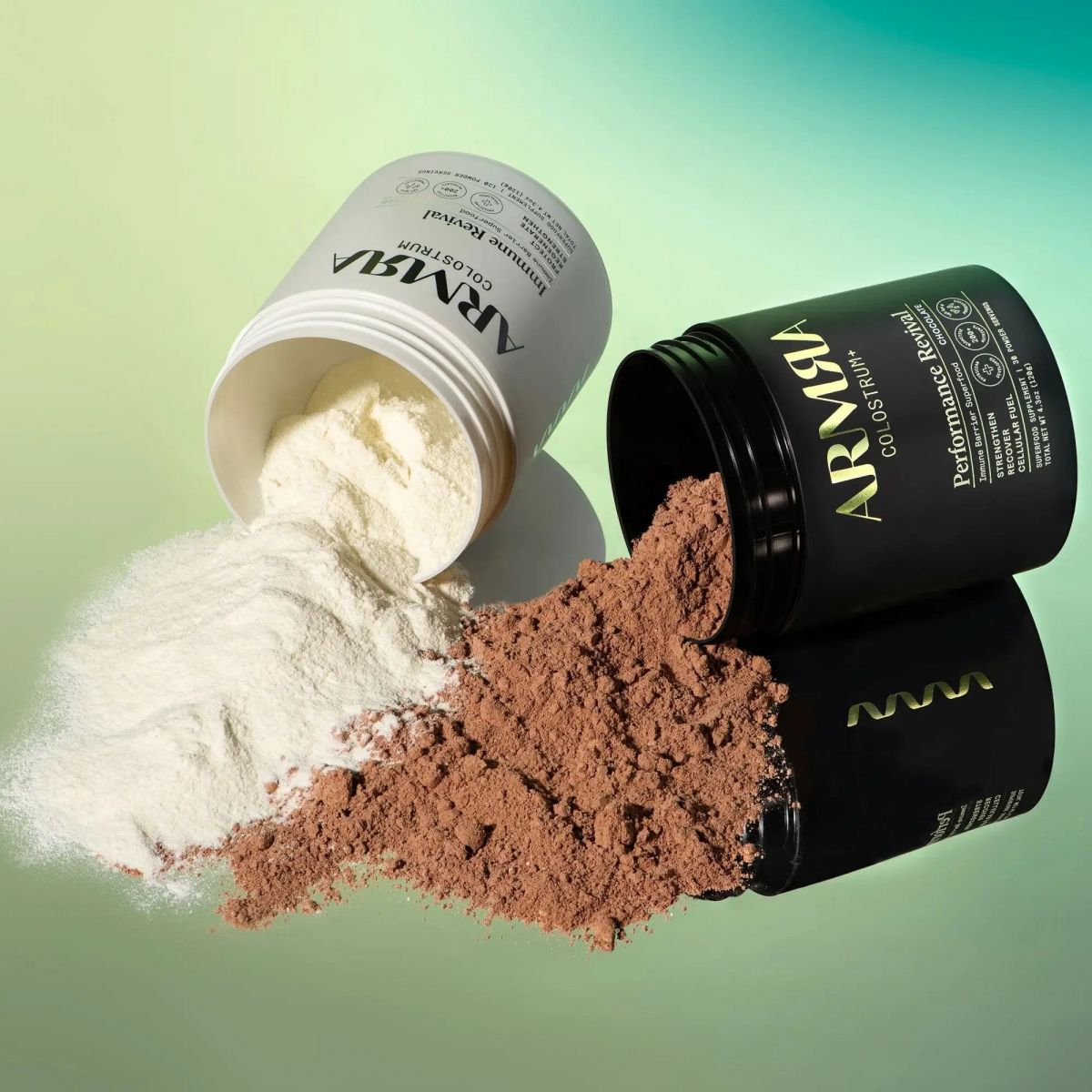
ARMRA Colostrum™ Foundational Support
- Designed to provide foundational nutritional support for overall bodily wellness and daily vitality
- Helps fortify the body's natural mucosal barriers against everyday environmental stressors
- Responsibly sourced and manufactured to optimize nutrient absorption without synthetic additives
Enzyme Activity In The Gut
Enzymes are the workhorses of the metabolic process. The specific protein digesting enzyme found here helps finish the task of breaking down complex structures. This prevents large particles from sitting too long in your system.
How To Incorporate Seeds Into Daily Meals
Adding these seeds requires a bit of culinary creativity due to their bold flavor. They carry a spicy kick reminiscent of black peppercorns or mustard seeds. You should treat them as a condiment rather than a primary food source.
- Smoothie Blends: Add one half teaspoon to your fruit base to mask the sharp taste with sweetness.
- Salad Toppings: Sprinkle a small amount of dried seeds over bitter greens to provide a crunchy texture.
- Salad Dressings: Blend a few seeds into a vinaigrette to create a pungent and earthy flavor profile for your vegetables.
A Systematic Look At Serving Sizes
Data suggests that moderation is the golden rule for consuming these seeds. You do not need large volumes to witness changes in your comfort. Using a clear metric helps you avoid potential side effects like minor stomach cramping.
| Serving Type | Recommended Amount | Frequency |
| Fresh Seeds | 0.5 Teaspoon | Once Daily |
| Air Dried Seeds | 0.25 Teaspoon | Once Daily |
| Ground Powder | 0.12 Teaspoon | Twice Daily |
The Biological Impact On Gut Comfort
When we consume seeds, our stomach identifies them as complex plant material. The body must then deploy specific resources to break them down. This process encourages the production of healthy fluids that aid the stomach wall.
Reducing Internal Swelling
Chronic irritation often stems from incomplete digestion. By providing the tools to break down proteins, we reduce the burden on the intestinal lining. This results in less pressure and a more relaxed feeling after a heavy meal.
Managing Microbial Balance
A healthy gut depends on a diverse population of microorganisms. The compounds within these seeds help keep the environment stable. Information published by the National Institutes of Health highlights the significance of plant metabolites in maintaining this delicate balance.
Culinary Preparation Techniques
You can prepare your seeds in a few ways to suit your personal palate. Drying the seeds makes them shelf stable for longer use. Fresh seeds offer a more vibrant profile but require faster consumption.
- Air Drying: Spread the seeds on a paper towel in a sunny spot for two days. This process removes moisture and softens the sharpest notes of the flavor.
- Grinding: Use a standard spice mill to turn your dried seeds into a fine dust. This makes it easier to fold them into soups or stir fries without affecting the texture of your dish.
- Pickling: Soak the fresh seeds in apple cider vinegar for twenty four hours. This helps mellow the pungent oils found inside the outer shell.
Scientific Foundations Of Seed Consumption
The study of traditional food practices often leads us to surprising findings. For generations, people used these seeds to support gut health. Modern inquiry now provides a clearer view of why these practices exist across many cultures.
Metabolic Byproducts
The plant compounds interact with our own metabolic output. This chemical dialogue creates an environment where irritation struggles to take hold. It is a natural way to support the system without relying on harsh synthetics.
Supporting The Intestinal Barrier
The gut barrier acts as a gatekeeper for the body. Maintaining the integrity of this wall is essential for overall wellness. Research from the Department of Agriculture notes that specific plant nutrients are vital for this structural maintenance.
Signs That Your Gut Needs Attention
Your body provides clear signals when it struggles with meal processing. Recognizing these signs early allows you to make minor adjustments to your habit. You might notice physical sensations that indicate a need for better digestive support.
- Persistent Bloating: You feel tight or swollen shortly after eating regular meals.
- Occasional Sluggishness: The speed at which food moves through your system feels slower than usual.
- Gas Discomfort: You experience excess air that creates physical pressure throughout the day.
Frequently Asked Questions
Can these seeds replace regular medical care for gut issues?
These seeds serve as a dietary addition intended to support overall well being rather than a replacement for professional guidance. They are best viewed as part of a lifestyle approach to maintain internal balance and comfort.
If you experience chronic pain or severe symptoms, you should always seek help from a qualified expert. Relying solely on home remedies for complex physical issues may overlook underlying causes that require more targeted attention.
How long does it take to notice a difference?
Individual results vary based on your unique biology and current dietary habits. Most people start to observe subtle shifts in their comfort levels after about ten days of consistent daily use.
It is important to keep a simple record of how your body responds during this window. Consistency allows your system to adjust to the new nutrients without unnecessary stress.
Are there any taste profiles that pair well with them?
The spicy, peppery nature of the seeds pairs beautifully with citrus fruits like lime or orange. You can also mix them into savory dishes like lentil soups or quinoa bowls to add a pleasant bite.
Experimenting with different flavor combinations helps you find a method you truly enjoy. If you prefer a milder taste, always pair the seeds with a larger portion of food to dilute their intensity.
Is it safe to eat them every day?
For most healthy adults, consuming a small amount of these seeds on a daily basis is common practice. Starting with a very small portion helps your system acclimatize to the specific compounds found in the seeds.
You should stop use immediately if you notice any unusual side effects or discomfort. Listening to your own body remains the most important part of any wellness routine.
Can children consume these seeds?
It is best to introduce these types of potent botanical ingredients to adults only. Children have different developmental needs and digestive sensitivities that may not align with the strong compounds found in these seeds.
Always prioritize the dietary requirements of younger individuals by sticking to established food groups. Focus on whole fruits and vegetables as the primary sources of nutrients for growing bodies.
The Bottom Line
Incorporating papaya seeds for digestion inflammation is a practical way to support your gut comfort using whole foods. By starting with small, measured amounts, you can determine how your body reacts to these natural compounds. Maintain balance through a varied diet and consistent habits to achieve the best results. Those who are pregnant, nursing, or have specific chronic stomach disorders should avoid this practice. Consult a licensed healthcare provider before starting any new wellness routine.
Get Your FREE Natural Health Guide!
Subscribe now and receive our exclusive ebook packed with natural health tips, practical wellness advice, and easy lifestyle changes, delivered straight to your inbox.