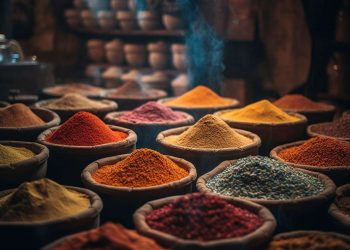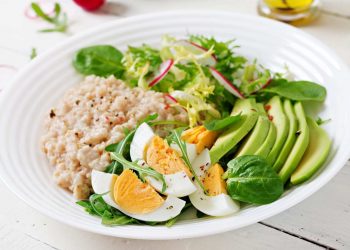
Did you know that some of the most common spices in your kitchen can play a significant role in strengthening your bones? While we often think of exercise and calcium-rich foods when it comes to bone health, the truth is that the spices we use in our cooking can also contribute to maintaining strong bones. Let’s dive into five spices that can help boost your bone health naturally!
Contents
1. Turmeric: The Golden Spice
Why It’s Good for Bone Health
Turmeric, often hailed for its vibrant yellow color and earthy flavor, contains a compound called curcumin. This active ingredient has been studied for its anti-inflammatory and antioxidant properties. Research suggests that curcumin can help reduce bone loss and improve bone density. A study published in the Journal of Bone and Mineral Research indicated that curcumin might inhibit the activity of osteoclasts, the cells responsible for bone resorption.
How to Use It
You can easily incorporate turmeric into your diet. Consider adding it to:
- Curries: A classic use that allows the spice to shine.
- Smoothies: A pinch can add a warm flavor without overpowering the drink.
- Golden milk: A soothing beverage made with milk (or plant-based milk), turmeric, and spices.
Pros & Cons
Pros:
- Anti-inflammatory properties
- Rich in antioxidants
- Versatile in cooking
Cons:
- Some people may experience digestive issues.
- Requires black pepper to enhance absorption.
Personal Tip
I love adding turmeric to my morning oatmeal. It gives a lovely color and flavor, plus I feel like I’m doing something good for my bones!
2. Ginger: More Than Just a Zing
Why It’s Good for Bone Health
Ginger is another powerhouse spice that may support bone health. It contains gingerol, which has anti-inflammatory effects. Some studies suggest that ginger may help prevent bone loss and promote bone formation. A review in BMC Complementary Medicine and Therapies noted that ginger could enhance bone density, particularly in postmenopausal women.
How to Use It
Ginger can be used in a variety of ways, such as:
- Ginger tea: A soothing drink that can be enjoyed hot or iced.
- Stir-fries: Adds a zesty kick to vegetables and proteins.
- Baked goods: Think gingerbread cookies or muffins.
Pros & Cons
Pros:
- Supports digestive health
- Adds flavor to dishes
- Can be consumed fresh or dried
Cons:
- May cause heartburn in some people.
- Can interact with certain medications, so consult your doctor if you’re on medication.
Personal Tip
I keep fresh ginger in my fridge and often grate it into soups. It not only enhances flavor but also gives me peace of mind about my bone health.
3. Cinnamon: A Sweet Addition
Why It’s Good for Bone Health
Cinnamon isn’t just a delightful spice for your morning coffee or desserts; it also has potential benefits for your bones. Some studies indicate that cinnamon may help improve bone density and reduce inflammation. The Journal of Medicinal Food published a study showing that cinnamon extract could enhance bone formation and mineralization.
How to Use It
Cinnamon can be sprinkled on a wide array of foods, including:
- Oatmeal: A classic combination that turns a simple bowl into a flavorful dish.
- Yogurt: Mix it in for added flavor and health benefits.
- Smoothies: A great way to add sweetness without sugar.
Pros & Cons
Pros:
- Rich in antioxidants
- May help regulate blood sugar levels
- Versatile in cooking and baking
Cons:
- Excessive consumption can lead to liver issues due to coumarin in some varieties.
- Ceylon cinnamon is safer than Cassia cinnamon for regular use.
Personal Tip
I like to make a cinnamon-spiced coffee by adding a dash to my morning brew. It’s a simple way to enjoy its benefits!
4. Garlic: A Flavorful Protector
Why It’s Good for Bone Health
Garlic is more than just a culinary staple; it’s also a friend to your bones. Research has shown that garlic can stimulate the production of osteoblasts, the cells responsible for bone formation. A study published in the Journal of Nutrition highlighted that garlic consumption could be linked to improved bone health.
How to Use It
Garlic can be used in various dishes, including:
- Roasted vegetables: Toss veggies with garlic for a delicious side dish.
- Pasta sauces: A must-have for adding depth of flavor.
- Soups and stews: Enhances the overall taste and health benefits.
Pros & Cons
Pros:
- Antimicrobial properties
- May help lower blood pressure
- Adds rich flavor to dishes
Cons:
- Can cause bad breath and body odor.
- Some people may be sensitive to garlic.
Personal Tip
I can’t resist roasting garlic in the oven. The aroma fills my kitchen, and I love spreading it on whole-grain bread!
5. Black Pepper: The Spice of Life
Why It’s Good for Bone Health
While often overlooked, black pepper contains piperine, which can enhance the absorption of other nutrients, including curcumin from turmeric. This makes it a perfect companion for spices like turmeric, amplifying its benefits. Some studies suggest that piperine may also have anti-inflammatory effects that could support bone health.
How to Use It
Black pepper can be added to nearly any savory dish, such as:
- Salads: A sprinkle can elevate flavor.
- Soups: Adds warmth to broths.
- Marinades: Enhances the taste of grilled meats and veggies.
Pros & Cons
Pros:
- Enhances nutrient absorption
- Versatile and easy to use
- May have antioxidant properties
Cons:
- Too much can lead to digestive discomfort.
- Some people may be sensitive to its heat.
Personal Tip
I always keep a pepper grinder on my table. Freshly ground pepper adds a kick to any meal, and it makes me feel like a gourmet chef!
FAQs
1. How can I incorporate these spices into my diet?
You can add these spices to a variety of dishes—curries, soups, smoothies, and baked goods are all great options. Experiment with different combinations to find what you enjoy most!
2. Are there any side effects to consuming these spices?
While these spices are generally safe, some individuals may experience digestive issues or allergic reactions. If you have concerns, consult with a healthcare provider before making significant changes to your diet.
3. Can these spices replace medications for bone health?
No, these spices should not replace medications or treatments prescribed by your doctor. They can be a complementary addition to a balanced diet and healthy lifestyle.
4. How much of these spices should I consume daily?
Moderation is key. A teaspoon of turmeric or ginger, a sprinkle of cinnamon, or a clove of garlic a few times a week can be beneficial. Listen to your body and consult a healthcare provider for personalized advice.
Conclusion
Incorporating these five spices into your diet could be a flavorful way to support your bone health naturally. While they shouldn’t replace a balanced diet and regular exercise, they can certainly complement your efforts to maintain strong bones. From the golden hue of turmeric to the zesty kick of ginger, these spices not only enhance your meals but also contribute positively to your overall health. So, why not spice things up a bit? Your bones will thank you!
This article is for educational purposes only and is not a substitute for professional medical advice. Always consult a qualified healthcare provider before making changes to your health routine.
References
-
Aggarwal, B. B., & Sung, B. (2014). Pharmacological actions of curcumin and its role in chronic diseases. Journal of Bone and Mineral Research. Retrieved from https://doi.org/10.1002/jbmr.2185
-
Kwon, S. H., & Kim, J. H. (2016). The role of ginger (Zingiber officinale) in bone health: A review of current evidence. BMC Complementary Medicine and Therapies. Retrieved from https://doi.org/10.1186/s12906-016-1372-3
-
Wang, Y., & Zhang, H. (2018). Cinnamon extract enhances mineralization of osteoblasts. Journal of Medicinal Food. Retrieved from https://doi.org/10.1089/jmf.2017.0106
-
Ahn, J. Y., & Kwon, H. S. (2015). Garlic and bone health: A review. Journal of Nutrition. Retrieved from https://doi.org/10.3945/jn.114.204195
-
Prasad, S., & Gupta, S. C. (2015). Black pepper (Piper nigrum) and its active component piperine: A review of its pharmacological properties. Journal of Ethnopharmacology. Retrieved from https://doi.org/10.1016/j.jep.2015.07.019
Get Your FREE Natural Health Guide!
Subscribe now and receive our exclusive ebook packed with natural health tips, practical wellness advice, and easy lifestyle changes — delivered straight to your inbox.