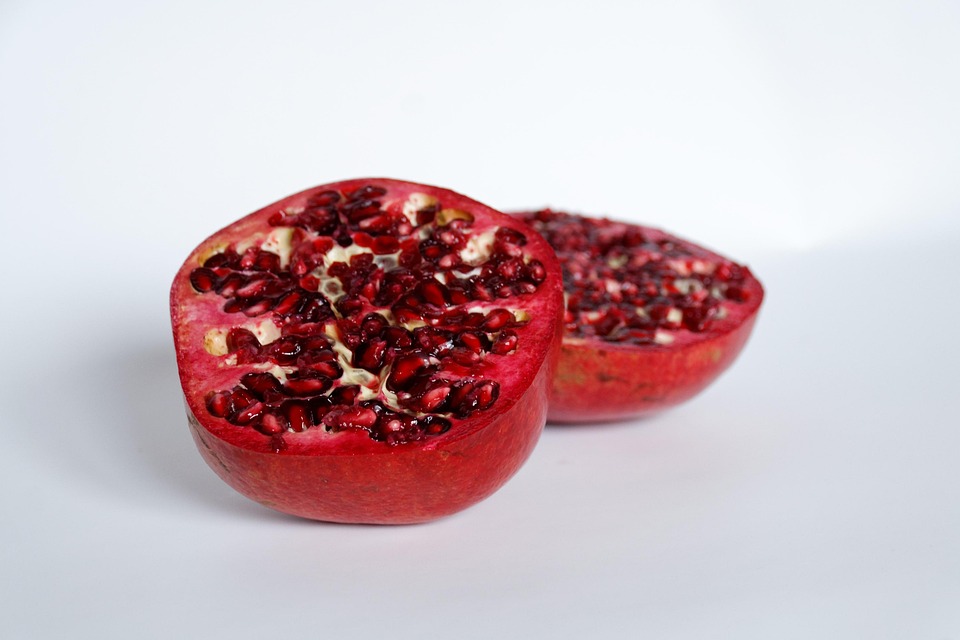

Pomegranate for Joint Health: A Natural Approach to Everyday Comfort
The quest for sustained comfort in movement is a universal one, and nature often holds surprising answers. Among a host of botanical allies, the vibrant pomegranate fruit stands out for its unique profile of compounds that naturally support joint wellness.
For centuries, various cultures have valued pomegranate, not just for its sweet-tart taste, but also for its broader contributions to well-being. Modern understanding now begins to unpack its potential for fostering a sense of ease within the body’s intricate framework.
Exploring pomegranate for joint health moves beyond traditional remedies. It involves understanding specific plant compounds and how they may complement an active lifestyle, supporting overall comfort and general physical well-being.
A Historical Perspective on Pomegranate’s Wellness Legacy
Pomegranate holds a rich history across many civilizations, revered for its symbolism and purported health benefits. Ancient Egyptian texts depict the fruit as a symbol of prosperity and fertility, while its use in traditional Persian, Indian, and Mediterranean wellness practices is well-documented.
These cultures didn’t possess our current scientific tools, but they intuitively recognized the fruit’s value. From decoctions made from its rind to the fresh juice of its arils, pomegranate found its way into various preparations aimed at supporting general vitality and comfort.
This historical appreciation provides context for contemporary scientific inquiry. It highlights a longstanding belief in the pomegranate’s supportive properties, encouraging deeper investigation into its specific compounds and their roles in modern wellness discussions.
Understanding Pomegranate’s Core Bioactives
The primary contributors to pomegranate’s beneficial profile are a class of polyphenols called ellagitannins. Once consumed, these compounds undergo transformation in the gut, producing specific metabolites. These metabolites are often discussed in the context of their potential to support various body systems.
One notable metabolite is urolithin A. This compound, not directly found in the fruit itself, is formed through the intricate interactions of gut microbiota with pomegranate’s ellagitannins. Individual gut microbiome composition influences the production efficiency of urolithin A, making its internal availability vary among people.
Beyond ellagitannins, pomegranate also contains other beneficial compounds, including anthocyanins, which give the fruit its deep red color, and various flavonoids. This complex interplay of bioactives contributes to the fruit’s overall potential in supporting general comfort and physical well-being.
People often explore the benefits of these compounds through fresh fruit consumption, concentrated juices, or standardized extracts. Each form offers a distinct way to incorporate pomegranate’s properties into a daily routine.
- Key Compounds: Ellagitannins, Urolithin A (metabolite), Anthocyanins, Flavonoids
- Primary Forms: Fresh arils, concentrated juice, standardized extracts (e.g., from peel, whole fruit)
- Wellness Focus: General comfort, supporting a sense of ease in movement, complementing an active lifestyle
Incorporating Pomegranate:
To explore the benefits, one might include fresh pomegranate arils in salads or yogurt, or choose a high-quality, unsweetened pomegranate juice. For a more concentrated approach, standardized pomegranate extracts are available, often focusing on ellagitannin content.
1. Promoting a Sense of Physical Comfort
Many people explore natural avenues to support their overall physical comfort, particularly as they age or maintain active lifestyles. Pomegranate offers a unique set of plant compounds that are often discussed in this context, providing a potential complement to wellness routines.
The fruit’s ellagitannins and their subsequent metabolites, like urolithin A, are subjects of interest in this area. While research continues to unfold, discussions often center on how these compounds might interact within the body to promote a general feeling of ease.
Incorporating pomegranate into a daily regimen can be a simple step towards supporting physical well-being. It is generally recognized as a food item that can be part of a balanced approach to maintaining comfort in daily activities and movement.
People often find that including such nutrient-dense fruits in their diet aligns with their goals for feeling more comfortable and maintaining their natural mobility.
- Active Compound: Ellagitannins, Urolithin A
- Benefit Discussed: Supporting a general feeling of comfort and ease
- Mechanism (Reframed): May interact with cellular pathways to contribute to overall physical well-being.
Daily Wellness Integration:
Consider adding a serving of pomegranate arils to your morning oatmeal or a vibrant salad at lunch. This simple dietary addition allows for consistent exposure to the fruit’s beneficial compounds.
2. Supporting Mobility and Flexibility
Maintaining a sense of mobility and flexibility is an important aspect of a comfortable, active life. Pomegranate contains components that some people associate with supporting these qualities, helping them feel more agile in their day-to-day movements.
The diverse array of polyphenols found in pomegranate, particularly those in the skin and arils, are often highlighted for their potential contributions. These plant compounds are explored for how they might generally support the body’s natural processes related to movement.
While specific biomechanical claims are not made, the general wellness community often discusses pomegranate’s role in a diet aimed at supporting overall physical function. This aligns with a broader approach to health that values nutrient-rich foods.
Many individuals seek natural ways to complement their exercise routines and maintain a feeling of freedom in their movement. Pomegranate is considered one such natural addition that might contribute to these aims.
- Active Compound: Flavonoids, Anthocyanins
- Benefit Discussed: Supporting a sense of natural mobility and flexibility
- Mechanism (Reframed): Thought to contribute to general physical well-being, which in turn can support how people perceive their movement.
Nutrient Delivery Method:
Regular consumption of pomegranate juice, especially varieties that include extracts from the rind, can be a way to consistently receive a broader spectrum of its supportive compounds. Ensure the juice is unsweetened for best results.
3. Contributing to the Body’s Natural Balance
The body maintains a constant, intricate balance to function optimally. Pomegranate is often discussed in terms of its ability to contribute to this natural equilibrium, particularly through its widely recognized general wellness properties.
The various components within pomegranate, from its vivid pigments to its less visible tannins, work in concert. This complex profile is what many natural health discussions focus on when considering its impact on the body’s overall state.
Supporting the body’s natural balance is a foundational principle of holistic wellness. Foods rich in diverse plant compounds, like pomegranate, are frequently included in dietary strategies aimed at maintaining this delicate balance.
People looking for natural ways to feel their best often turn to botanicals that offer broad-spectrum support. Pomegranate fits this description, being a fruit valued for its general contribution to feeling in sync and comfortable.
- Active Compound: Punicalagins (a type of ellagitannin)
- Benefit Discussed: Supporting the body’s natural processes that maintain balance and comfort
- Mechanism (Reframed): General contribution to a balanced internal environment, which is perceived to support physical well-being.
Incorporation into a Balanced Diet:
Consider a daily glass of pure pomegranate juice, or incorporate pomegranate seeds into various meals throughout the week. Consistency is often key when exploring the benefits of dietary additions for general wellness.
4. Aiding in Post-Activity Recovery
After physical activity, the body naturally enters a recovery phase. Some people explore natural whole foods like pomegranate to support their comfort during this period, helping them feel refreshed and ready for their next active session.
The consumption of nutrient-dense fruits, including pomegranate, is a common practice among individuals who prioritize an active lifestyle. These foods are often integrated into post-workout routines as part of a broader nutritional strategy.
While not a treatment, the inclusion of such botanicals is frequently discussed in terms of general support for the body’s natural processes after exertion. It contributes to a feeling of overall well-being, which can influence how a person perceives their recovery.
Many active individuals find that a diet rich in diverse fruits and vegetables helps them maintain their preferred level of physical activity. Pomegranate is a favorable option in this category, often chosen for its supportive qualities.
- Active Compound: Anthocyanins, various polyphenols
- Benefit Discussed: Supporting comfort and a sense of readiness after physical exertion
- Mechanism (Reframed): Contributes to general nutritional well-being, which supports the body’s natural processes related to physical activity.
Post-Workout Refreshment:
Try blending pomegranate juice into a recovery smoothie with other fruits and a protein source. This offers a delicious way to enjoy its properties as part of your post-activity routine.
5. Supporting Overall Physical Vitality
True vitality encompasses a holistic sense of energy, comfort, and the ability to engage fully with life. Pomegranate is often discussed as a fruit that can contribute to this broader sense of physical vitality, helping individuals feel more robust.
The wealth of phytonutrients present in pomegranate makes it a valuable addition to a diet focused on comprehensive well-being. These compounds are explored for their collective contribution to general health, extending beyond specific systems.
This overarching support for vitality isn’t about targeting one area, but rather about nourishing the body broadly. People often find that a diet rich in diverse plant foods, including pomegranate, enhances their general feeling of wellness and vigor.
For those seeking to maintain a high quality of life and sustained comfort as they age, integrating foods like pomegranate can be a practical step. It aligns with strategies aimed at promoting an enduring sense of physical well-being.
- Active Compound: Ellagic acid, punicalagins, urolithins
- Benefit Discussed: Contributing to overall physical vitality and sustained comfort
- Mechanism (Reframed): Provides a broad spectrum of plant compounds that may support the body’s general wellness processes.
Consistent Dietary Inclusion:
Consider adding pomegranate seed oil to dressings or marinades for its concentrated compounds, or regularly consume the fruit itself. Consistency in diet is a primary factor in experiencing potential broad wellness benefits.
Comparing Pomegranate Components for Wellness
Understanding the different parts of the pomegranate and their primary contributions can help in choosing the best way to incorporate it into a wellness routine. Each component offers a unique profile of bioactives.
| Pomegranate Component | Key Bioactives | Primary Wellness Focus | Common Forms |
|---|---|---|---|
| Arils (Seeds with Flesh) | Anthocyanins, Flavonoids, some Ellagitannins | General physical comfort, daily vitality | Fresh fruit, juice |
| Peel/Rind | High concentration of Ellagitannins (Punicalagins) | Broad support for body’s natural balance | Extracts, powders, some juices |
| Seed Oil | Punicic acid (an omega-5 fatty acid), some phytosterols | Complementing overall wellness strategies | Cold-pressed oil, capsules |
Each part of the pomegranate offers distinct compounds that contribute to its overall reputation as a supportive botanical. Focusing on the specific compounds, like ellagitannins from the peel or anthocyanins from the arils, can guide product selection.
The synergy between these compounds is also a point of discussion. Many believe that the whole fruit or a comprehensive extract provides a broader range of benefits than isolated components.
Common Misconceptions About Pomegranate and Joint Health
While pomegranate offers many appealing qualities, it’s important to approach its benefits with clear, realistic expectations. Several common misunderstandings often circulate regarding its role in physical wellness.
One frequent misconception is that pomegranate acts as a standalone “cure” for discomfort or stiffness. It’s crucial to understand that botanicals, including pomegranate, function as supportive elements within a larger wellness framework. They complement, rather than replace, other important lifestyle factors.
Another area of confusion involves the expectation of immediate or dramatic results. The benefits of incorporating natural foods and botanicals are typically subtle and accrue over time with consistent use. Pomegranate is best viewed as part of a long-term strategy for overall well-being, not a quick fix.
People sometimes overlook the importance of consistency. Sporadic consumption is less likely to provide sustained benefits than regular, mindful inclusion in the diet. For general wellness purposes, consistent intake of a whole food like pomegranate or a quality extract is often recommended.
Furthermore, the idea that all pomegranate products are equally effective can be misleading. The concentration of beneficial compounds can vary significantly depending on the part of the fruit used, the processing method, and the presence of additives like sugar in juices. Opting for pure, unsweetened juices or standardized extracts can help ensure a more consistent intake of the desired bioactives.
People with underlying conditions often work with a qualified healthcare professional for personalized guidance.
Frequently Asked Questions
Is fresh pomegranate better than juice for general wellness?
Both fresh arils and juice offer benefits. Fresh arils provide fiber, while concentrated, unsweetened juice offers a higher density of some liquid-soluble compounds. A balanced approach often includes both, recognizing that the USDA research indicates significant antioxidant activity in the juice.
How much pomegranate should I consume for general comfort?
There isn’t a universally prescribed amount for general wellness. Many people incorporate a serving of fresh arils (about half a cup) or 4-8 ounces of unsweetened juice daily or several times a week as part of a balanced diet.
Can I take pomegranate supplements instead of the fruit?
Yes, standardized pomegranate extracts are available. These supplements often concentrate specific compounds, like ellagitannins, which can be beneficial for those seeking a more targeted approach or for whom fresh fruit is less accessible. Always choose reputable brands and discuss with a healthcare professional.
The Bottom Line
Pomegranate offers a distinctive array of plant compounds that can contribute to a broad sense of physical comfort and overall well-being. Its historical use and modern appreciation align in recognizing its potential to support how people feel and move through life.
This information is educational and not a substitute for medical advice. Integrating pomegranate into a consistent wellness routine, alongside a balanced diet and active lifestyle, can be a supportive step for those seeking to enhance their general vitality and comfort. Consult with a qualified healthcare professional before making any significant dietary or supplement changes, especially if you have underlying health conditions.
Get Your FREE Natural Health Guide!
Subscribe now and receive our exclusive ebook packed with natural health tips, practical wellness advice, and easy lifestyle changes, delivered straight to your inbox.