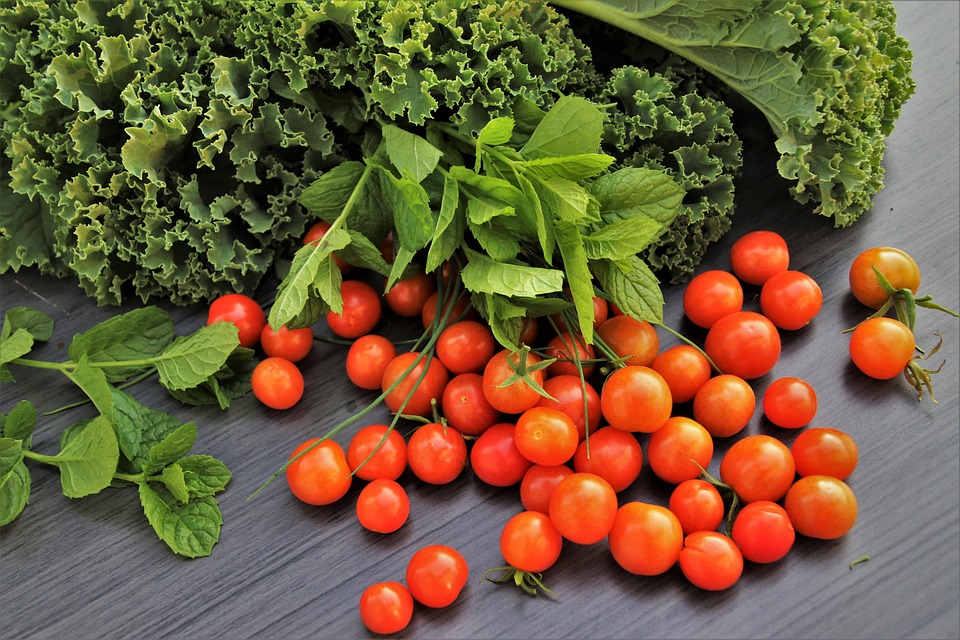
Embracing Superfoods for Enhanced Wellness
A journey toward a healthier lifestyle often involves thoughtful dietary choices. Incorporating specific nutrient-dense foods can provide broad support for daily vitality. These “superfoods” aren’t magic bullets, but rather concentrated sources of beneficial compounds that complement a balanced eating plan.
Understanding the specific contributions of each food helps in making informed decisions for your plate. This guide delves into ten such foods, exploring their unique attributes and how they can integrate into your routine. The information here aims to educate, providing insight into general wellness considerations.
People with underlying health conditions often work with a qualified healthcare professional for personalized dietary guidance. This information is educational and not a substitute for medical advice.
1. Berries: Nature’s Antioxidant Powerhouses
Berries, particularly blueberries and raspberries, stand out for their rich concentration of plant compounds. These small fruits offer a delightful sweetness along with significant nutritional value. Their vibrant colors hint at the diverse array of beneficial constituents they contain.
The primary compounds of interest in berries are anthocyanins, a type of flavonoid. These pigments contribute to the red, purple, and blue hues found in various fruits. Anthocyanins are often discussed for their role in supporting the body’s natural cellular protection.

CalmLean™ Stimulant-Free Metabolism Support
- Engineered with ForsLean® to support metabolic baseline without caffeine
- 100% stimulant-free formulation avoids energy crashes and jitters
- Manufactured in a cGMP-compliant, FDA-registered facility
Beyond these colorful compounds, berries also provide substantial dietary fiber. Fiber is an important component of a balanced diet, contributing to digestive regularity and satiety. Regularly including berries can be a simple step toward increasing daily nutrient intake.
Understanding Berry Benefits
- Active Compounds: Anthocyanins, Quercetin, Ellagic Acid, Vitamin C, Dietary Fiber.
- Best Used For: Supporting general cellular health, contributing to fiber intake, adding natural sweetness.
- Mechanism of Action: Anthocyanins are recognized for their role in the body’s natural defense systems. Fiber aids in normal digestive function.
Incorporating Berries Daily
Integrate a handful of fresh or frozen berries into your breakfast cereal, yogurt, or blend them into a smoothie for a simple nutritional boost.
2. Leafy Greens: Foundational Nutrients for Health
Leafy green vegetables like spinach and kale are cornerstones of a nourishing diet. They are exceptionally dense in vitamins, minerals, and various phytonutrients, all while being low in calories. Making them a regular part of meals can significantly elevate overall nutrient density.
Vitamin K is particularly abundant in leafy greens. This vitamin plays a role in various bodily processes, including normal blood coagulation. Furthermore, greens supply ample amounts of Vitamin A, often in the form of beta-carotene, and Vitamin C, which supports immune function.
These vegetables also contain specific compounds like chlorophyll and a spectrum of carotenoids. While not typically discussed for specific “mechanisms of action” in the context of this advice, their presence contributes to the overall nutritional profile that supports general wellness. Their fiber content further assists digestive health.
Exploring Green Goodness
- Active Compounds: Vitamin K, Vitamin A (Beta-carotene), Vitamin C, Folate, Lutein, Zeaxanthin, Chlorophyll, Dietary Fiber.
- Best Used For: Supporting bone health, vision, immune system, and contributing to nutrient intake.
- Mechanism of Action: Vitamins and minerals contribute to numerous metabolic functions. Fiber supports digestive regularity.
Preparing Leafy Greens
Add a generous serving of spinach or kale to salads, stir-fries, or sauté them lightly with garlic as a side dish for enhanced nutrient absorption.
3. Avocado: Healthy Fats and More
Avocado is a unique fruit often mistakenly categorized as a vegetable. Its creamy texture and mild flavor make it versatile in many dishes. Unlike most fruits, avocados are notably high in healthy fats, a crucial component of a balanced diet.
The primary fat found in avocados is monounsaturated fat, particularly oleic acid. These fats are an important source of energy and support various bodily functions. Incorporating healthy fats helps with satiety, making meals more satisfying.
Avocados also deliver significant amounts of dietary fiber and potassium. Potassium is an electrolyte that supports fluid balance and normal nerve function. The combination of healthy fats and fiber makes avocado a filling and nutrient-rich addition to any meal.
Avocado Nutritional Profile
- Active Compounds: Monounsaturated Fatty Acids (Oleic Acid), Dietary Fiber, Potassium, Vitamins K, C, E, B6, Folate.
- Best Used For: Providing healthy fats, promoting satiety, supporting electrolyte balance, enhancing nutrient absorption.
- Mechanism of Action: Monounsaturated fats provide energy and structural components. Fiber aids digestion. Potassium contributes to normal cellular function.
Creative Avocado Uses
Mash avocado for a fresh guacamole, slice it onto sandwiches, or blend it into smoothies for a creamy texture and nutrient boost.
4. Turmeric: A Spice with Ancient Roots
Turmeric, a vibrant yellow spice, has a long history of use in both culinary traditions and wellness practices, particularly in Ayurvedic systems. Its distinctive color and flavor come from a group of compounds called curcuminoids. These compounds are the subject of considerable interest in natural health circles.
The most recognized curcuminoid is curcumin. This compound is known for its properties that support the body’s natural comfort pathways and help maintain balance. Many people explore turmeric for its potential to contribute to general well-being and a sense of ease.
When consumed, curcumin’s absorption can be a consideration. People sometimes pair turmeric with black pepper, which contains piperine, to enhance its bioavailability. This ancient spice offers a way to integrate supportive compounds into daily dietary practices.
Understanding Turmeric’s Role
- Active Compounds: Curcuminoids (Curcumin being the most prominent).
- Best Used For: Supporting the body’s natural comfort and balance pathways, contributing to overall wellness.
- Mechanism of Action: Curcuminoids are recognized for their intricate interactions with various biological systems, supporting the body’s homeostatic processes.
Daily Turmeric Integration
Add turmeric powder to curries, soups, or golden milk lattes. Consider a high-quality standardized extract for consistent intake of curcuminoids, always discussing with a professional first.
5. Ginger: A Warming, Aromatic Rhizome
Ginger, a pungent and warming rhizome, has been a staple in traditional wellness practices and culinary arts for millennia. Its distinct flavor profile makes it a popular ingredient worldwide. The beneficial properties of ginger are attributed to its active compounds known as gingerols and shogaols.
These compounds are responsible for ginger’s characteristic aroma and its capacity to support digestive comfort. Many people find that consuming ginger can contribute to a sense of ease, especially after meals. It often appears in discussions around maintaining general gastrointestinal wellness.
Beyond its digestive support, ginger also contains various antioxidants, which contribute to the body’s overall protective systems. Its versatility allows for easy incorporation into both savory and sweet dishes, as well as teas.
Ginger’s Wellness Attributes
- Active Compounds: Gingerols, Shogaols, Zingiberene.
- Best Used For: Supporting digestive comfort, promoting a sense of ease, contributing to overall well-being.
- Mechanism of Action: Gingerols are recognized for their interactions with nerve receptors in the digestive system, which can help support comfortable gut function.
Using Ginger Effectively
Grate fresh ginger into hot water for a soothing tea, add it to stir-fries, or include a slice in your morning smoothie for a gentle warming effect.
6. Chia Seeds: Tiny Seeds with Mighty Nutrition
Chia seeds, derived from the *Salvia hispanica* plant, are small but remarkably nutrient-dense. Historically, they were a significant food source for ancient civilizations. Today, they are prized for their unique nutritional composition, especially their high content of omega-3 fatty acids, fiber, and protein.
These tiny seeds are one of the best plant-based sources of alpha-linolenic acid (ALA), an essential omega-3 fatty acid. ALA is a precursor to other omega-3s and supports general health. The body cannot produce essential fatty acids, so they must be obtained through diet.
Chia seeds are also an exceptional source of dietary fiber. When mixed with liquid, they form a gel-like consistency, which can aid in satiety and support digestive regularity. Their protein content makes them a valuable addition for those seeking plant-based protein sources.
Chia Seed Nutritional Breakdown
- Active Compounds: Alpha-Linolenic Acid (ALA) Omega-3, Dietary Fiber, Protein, Calcium, Manganese, Phosphorus.
- Best Used For: Providing essential omega-3s, increasing fiber intake, contributing to plant-based protein.
- Mechanism of Action: ALA serves as an essential fatty acid for various cellular processes. Fiber supports digestive health and can help manage feelings of fullness.
Preparing Chia Seeds
Soak chia seeds in water, milk, or juice to create a pudding, sprinkle them over yogurt or oatmeal, or mix them into baked goods for added texture and nutrition.
7. Quinoa: A Complete Plant Protein
Quinoa, pronounced “keen-wah,” is often referred to as a “pseudo-cereal.” This means it’s botanically a seed but is consumed and prepared like a grain. It originates from the Andes region of South America and has gained widespread recognition for its impressive nutritional profile.
What sets quinoa apart is its status as a complete protein, meaning it contains all nine essential amino acids that the human body cannot produce on its own. This makes it an excellent protein source, especially for those following vegetarian or vegan diets. Protein is vital for muscle maintenance and overall bodily function.
Quinoa is also rich in dietary fiber, which supports digestive health and contributes to feelings of fullness. It provides various minerals including magnesium, iron, and zinc, all of which play roles in numerous physiological processes.
Quinoa’s Dietary Contributions
- Active Compounds: Complete Protein (all 9 essential amino acids), Dietary Fiber, Magnesium, Iron, Zinc, Folate.
- Best Used For: Providing complete plant protein, increasing fiber intake, supplying essential minerals.
- Mechanism of Action: Amino acids are the building blocks for proteins throughout the body. Fiber supports gut health and regular bowel movements.
Cooking Quinoa
Rinse quinoa thoroughly before cooking to remove saponins, then boil it like rice and serve as a side dish, in salads, or as a base for grain bowls.
8. Green Tea: An Ancient Brew with Modern Appeal
Green tea, derived from the *Camellia sinensis* plant, has been consumed for centuries, particularly in Asian cultures. It’s minimally processed, retaining a high concentration of beneficial plant compounds. The appeal of green tea extends beyond its pleasant taste; it’s often sought for its wellness properties.
The primary active compounds in green tea are a type of antioxidant called catechins, with epigallocatechin gallate (EGCG) being the most abundant and well-studied. These catechins are known for their role in supporting the body’s cellular protective systems. Regularly consuming these compounds can contribute to overall well-being.
Green tea also contains L-theanine, an amino acid that can promote a sense of calm and focused alertness. This unique combination of EGCG and L-theanine offers a gentle, sustained energy experience, often without the jitters associated with higher caffeine intake. Research from the National Center for Complementary and Integrative Health highlights green tea’s various traditional uses.
Green Tea’s Health Attributes
- Active Compounds: Catechins (EGCG, Epicatechin, Epigallocatechin), L-Theanine, Caffeine, Flavonoids.
- Best Used For: Supporting cellular protection, promoting calm alertness, contributing to fluid intake.
- Mechanism of Action: EGCG interacts with various cellular pathways to support antioxidant defenses. L-theanine influences brain waves to foster a state of relaxed focus.
Brewing Green Tea
Brew green tea with water that is just below boiling to prevent bitterness, allowing the beneficial compounds to infuse properly for a warm beverage.
9. Garlic: A Flavorful Ally in Wellness
Garlic, a bulbous plant related to onions and leeks, is much more than just a culinary staple. For thousands of years, it has been valued across cultures for its distinct flavor and its historical use in various wellness traditions. Its pungent aroma comes from a complex array of sulfur-containing compounds.
The key compound responsible for many of garlic’s recognized properties is allicin. Allicin is formed when fresh garlic is crushed or chopped, initiating a reaction between alliin and the enzyme alliinase. While allicin is somewhat unstable, it quickly converts into other sulfur-containing compounds that contribute to garlic’s overall profile.
These compounds are often discussed for their role in supporting various bodily systems and contributing to overall vitality. Incorporating garlic into your diet is a flavorful way to introduce these unique compounds.
Garlic’s Wellness Profile
- Active Compounds: Allicin (when crushed), S-allyl-cysteine, Diallyl disulfide, Ajoene, Organosulfur compounds.
- Best Used For: Supporting general well-being, enhancing flavor in meals, contributing to diverse dietary intake.
- Mechanism of Action: Organosulfur compounds interact with different biological systems, supporting the body’s natural defense mechanisms.
Using Fresh Garlic
Chop or crush fresh garlic and let it sit for a few minutes before cooking to maximize allicin formation, then add it to stir-fries, sauces, or roasted vegetables.
10. Sweet Potatoes: A Nutritious and Versatile Root
Sweet potatoes are vibrant, naturally sweet root vegetables that offer a wealth of nutrients. Their appealing color and rich flavor make them a popular choice, and they are a far cry from their white potato counterparts in terms of nutritional density.
They are exceptionally rich in beta-carotene, a potent antioxidant and a precursor to Vitamin A. Beta-carotene is responsible for the orange hue of sweet potatoes and is crucial for supporting vision and immune function. A single sweet potato can provide significantly more than the daily recommended intake of Vitamin A.
Sweet potatoes also deliver a good amount of dietary fiber, aiding in digestive health and promoting satiety. They offer a steady release of energy due to their complex carbohydrate structure. Additionally, they contain essential minerals such as potassium and manganese, contributing to overall physiological balance.
Sweet Potato Nutritional Highlights
- Active Compounds: Beta-carotene (Vitamin A precursor), Dietary Fiber, Vitamin C, Manganese, Potassium.
- Best Used For: Supporting vision, boosting immune function, promoting digestive health, providing sustained energy.
- Mechanism of Action: Beta-carotene converts to Vitamin A, which is vital for vision and immune health. Fiber contributes to healthy gut function.
Cooking Sweet Potatoes
Roast, bake, or steam sweet potatoes until tender. Enjoy them as a side dish, mashed, or incorporated into stews and casseroles for a nutrient-rich addition.
Comparative Superfood Attributes
To further illustrate the diverse benefits, here’s a quick comparison of some key attributes among these superfoods. This table highlights specific strengths without suggesting one is superior to another. Each contributes uniquely to a healthful diet.
| Superfood | Primary Characteristic | Key Nutrient Highlight |
|---|---|---|
| Berries | Antioxidant Rich | Anthocyanins |
| Leafy Greens | Vitamin & Mineral Dense | Vitamin K, Folate |
| Avocado | Healthy Monounsaturated Fats | Oleic Acid |
| Turmeric | Comfort & Balance Support | Curcuminoids |
| Ginger | Digestive Comfort | Gingerols |
| Chia Seeds | Omega-3 & Fiber Powerhouse | ALA Omega-3, Dietary Fiber |
| Quinoa | Complete Plant Protein | All 9 Essential Amino Acids |
| Green Tea | Cellular Protection & Calm Alertness | EGCG, L-Theanine |
| Garlic | Flavorful Wellness Ally | Allicin (organosulfur compounds) |
| Sweet Potatoes | Beta-carotene & Sustained Energy | Beta-carotene (Vitamin A) |
Frequently Asked Questions
Are superfoods a replacement for other healthy foods?
No, superfoods are not meant to replace a diverse and balanced diet. They are highly nutrient-dense additions that complement a foundational eating plan rich in whole foods. Think of them as nutritional enhancers, not complete dietary solutions.
How much of a superfood should I eat daily?
There isn’t a strict universal daily recommendation for most superfoods, as individual needs vary. A general approach involves incorporating small, consistent servings. For example, a handful of berries, a serving of leafy greens, or a sprinkle of chia seeds can be a good start. Listen to your body and adjust as needed.
Can I get all the benefits from superfood supplements?
While supplements can offer concentrated forms of superfood compounds, whole foods provide a complex matrix of nutrients, fiber, and other beneficial cofactors that may not be fully replicated in isolated supplement form. Prioritizing whole-food intake is generally a beneficial strategy.
Are there any potential interactions with medications?
Some superfoods, particularly those with concentrated active compounds like ginger or turmeric, may interact with certain medications. This is why discussing significant dietary changes or the use of concentrated food forms with a healthcare professional is always important, especially if you have underlying conditions or take prescription drugs.
The Bottom Line
Integrating superfoods into your diet is a practical strategy for enhancing overall nutrition and supporting a vibrant lifestyle. These ten foods offer a diverse array of vitamins, minerals, healthy fats, fiber, and unique plant compounds. Focus on variety and consistency.
Begin by choosing one or two superfoods that appeal to you most. Incorporate them regularly into your meals, and gradually explore others to diversify your nutrient intake and support your health journey.
Get Your FREE Natural Health Guide!
Subscribe now and receive our exclusive ebook packed with natural health tips, practical wellness advice, and easy lifestyle changes, delivered straight to your inbox.