Nourishing Your Night: The Role of Sleep Support Foods
A truly restorative night’s rest is foundational to overall wellness. It’s a complex biological process, one where the body engages in vital repair and rejuvenation. While many factors influence sleep quality, diet plays a surprisingly significant role.
The foods consumed throughout the day, particularly those eaten in the evening, can influence the body’s natural rhythm. Certain nutrients and compounds found in everyday items are often discussed for their potential association with feeling calm and promoting general relaxation.
Understanding which sleep support foods may contribute to a more restful evening can become a powerful tool in your daily routine. People often find simple dietary adjustments make a noticeable difference in their comfort levels as they prepare for rest.
Understanding Your Sleep Cycle
The human sleep cycle is an intricate symphony of physiological processes. It cycles through distinct stages, including non-rapid eye movement (NREM) and rapid eye movement (REM) sleep. Each stage serves unique functions, contributing to both physical restoration and cognitive processing.
The body’s internal clock, known as the circadian rhythm, dictates when we feel awake and when we feel tired. This rhythm is heavily influenced by light exposure, but also by meal timing and nutritional intake. Disruptions to this rhythm can make settling down for the night more challenging.
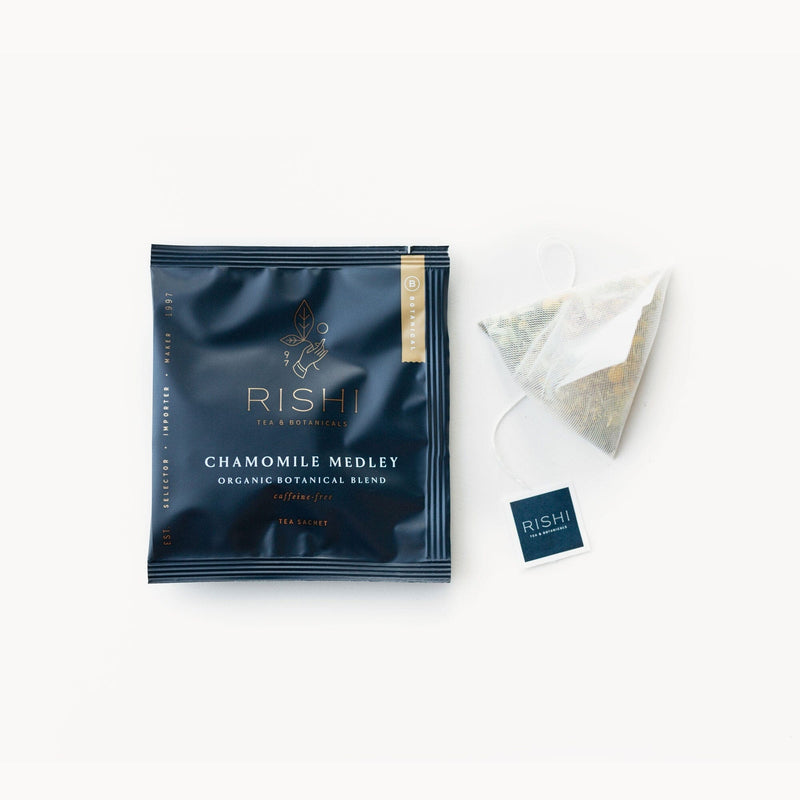
Rishi Chamomile Medley™ Botanical Blend
- Targeted botanical blend designed to work with your body's natural evening rhythms
- Supports a calm state of mind and consistent physical relaxation after a high-demand day
- Formulated for a smooth evening transition without relying on heavy synthetic sleep aids
Key neurochemicals and hormones play roles in regulating these cycles. Melatonin, often called the “sleep hormone,” signals to the body that it’s time to rest. Other compounds, like serotonin and gamma-aminobutyric acid (GABA), also contribute to states of relaxation and calm.
These biological compounds are naturally occurring in the body, but their production and activity can be influenced by dietary choices. Certain foods provide precursors or cofactors that support the body’s natural processes. Exploring these connections can offer helpful insights for enhancing nighttime comfort.
Essential Compounds for Restful Evenings
- Melatonin: A hormone that regulates sleep-wake cycles, signaling the body to prepare for rest.
- Tryptophan: An essential amino acid, a precursor to serotonin and melatonin, supporting feelings of calm.
- Magnesium: A mineral involved in hundreds of bodily functions, often associated with muscle relaxation and nerve function.
- Serotonin: A neurotransmitter contributing to feelings of well-being and a precursor to melatonin.
Dietary Inclusion Strategy
To encourage a comfortable evening, consider incorporating a diverse range of nutrients throughout your day.
10 Sleep-Inducing Snacks That Promote Restful Nights
The right snack before bed isn’t about feeling full; it’s about providing the body with specific nutrients that support natural relaxation processes. These choices can integrate smoothly into an evening routine, contributing to a more tranquil transition into sleep. Each option offers unique properties, making them valuable additions to your nighttime preparation.
1. Tart Cherries
Tart cherries, particularly the Montmorency variety, are a well-regarded fruit for those seeking better sleep. They naturally contain melatonin, the hormone critical for regulating sleep-wake cycles. Consuming them can gently signal the body toward its resting phase.
Beyond melatonin, tart cherries also boast a rich profile of anthocyanins, powerful antioxidant compounds. These plant pigments contribute to the cherry’s vibrant red color and are often discussed for their general wellness properties. People often include tart cherry juice as part of a winding down routine.
Historically, various cultures have used fruit juices and herbal infusions to promote feelings of calm. Tart cherries fit this tradition, offering a natural, whole-food approach. Their mild flavor and beneficial compounds make them an excellent pre-sleep option.
Regular inclusion of tart cherries, whether as whole fruit or juice, can be a simple way to support the body’s natural rhythm. It is a palatable way to introduce naturally occurring melatonin into the diet without relying on synthetic forms. This botanical approach emphasizes working with the body’s inherent mechanisms.
Key Information on Tart Cherries
- Active Compounds: Melatonin, Anthocyanins.
- Best Used For: Promoting natural sleep-wake cycle regulation, general antioxidant support.
- Mechanism of Action: Contains naturally occurring melatonin, a hormone involved in sleep signaling.
Preparation Suggestion
Drink four ounces of tart cherry juice or eat a small handful of fresh or dried tart cherries about an hour before bedtime.
2. Almonds
Almonds are more than just a satisfying crunch; they are a nutritional powerhouse, especially valuable for evening consumption. These nuts are particularly rich in magnesium, a mineral known for its role in muscle relaxation and nervous system regulation. A deficiency in magnesium is sometimes associated with difficulty relaxing.
They also provide a good source of tryptophan, an essential amino acid that serves as a precursor to serotonin and, subsequently, melatonin. The body converts tryptophan into these compounds, which are integral for feelings of calm and the initiation of sleep. This makes almonds a dual-action snack.
Furthermore, almonds contain healthy fats and protein, which can help stabilize blood sugar levels throughout the night. This stabilization may prevent nighttime awakenings that some people experience due to dips in blood glucose. The sustained energy release supports uninterrupted rest.
Incorporating a small serving of almonds into your evening routine offers a concentrated dose of these beneficial nutrients. They are convenient, versatile, and provide a sense of satiety without being heavy. Many people find their crunchy texture and mild flavor to be a comforting pre-sleep treat.
Key Information on Almonds
- Active Compounds: Magnesium, Tryptophan, Healthy Fats.
- Best Used For: Supporting muscle relaxation, promoting calm, blood sugar stability.
- Mechanism of Action: Provides magnesium, a mineral that aids in muscle and nerve function; contains tryptophan for serotonin/melatonin synthesis.
Consumption Guideline
Eat a small handful of raw or dry-roasted almonds about 30 minutes to an hour before you plan to sleep.
3. Kiwifruit
Kiwifruit might not be the first food that comes to mind for sleep, but research has indicated its potential benefits. These vibrant green fruits are surprisingly rich in serotonin, a neurotransmitter that contributes to feelings of well-being and relaxation. Serotonin is also a direct precursor to melatonin production.
Beyond serotonin, kiwifruit delivers a substantial dose of Vitamin C and Vitamin E, both potent antioxidants. These vitamins support general health and may help reduce oxidative stress, which is sometimes discussed in relation to overall bodily comfort. The fruit’s high fiber content also contributes to digestive wellness.
One small study, detailed in the Asia Pacific Journal of Clinical Nutrition, observed improved sleep onset and duration in adults who consumed two kiwifruits one hour before bed. This suggests a compelling link between the fruit’s nutritional profile and its influence on nighttime rest. You can read more about Vitamin C and its general benefits from the National Institutes of Health.
The combination of serotonin, antioxidants, and a mild, digestible nature makes kiwifruit an appealing choice. It’s a fresh, natural option that can be easily integrated into an evening snack. Many find the slightly sweet and tangy taste a refreshing way to end the day.
Key Information on Kiwifruit
- Active Compounds: Serotonin, Vitamin C, Vitamin E, Folate.
- Best Used For: Supporting serotonin and melatonin production, general antioxidant support.
- Mechanism of Action: Contains serotonin and other beneficial compounds that may support the body’s natural sleep processes.
Evening Snack Preparation
Consume one to two medium-sized kiwifruits approximately an hour before you intend to go to bed.
4. Walnuts
Walnuts stand out among nuts for their unique nutritional composition, making them an excellent choice for a pre-sleep snack. They are one of the few plant-based sources that naturally contain melatonin, directly supplementing the body’s own supply of this sleep-regulating hormone. This inherent quality gives them a distinct advantage.
Furthermore, walnuts are exceptionally rich in omega-3 fatty acids, particularly alpha-linolenic acid (ALA). These essential fatty acids are crucial for brain health and are often linked to a more balanced mood. Balanced mood states can certainly contribute to a more relaxed feeling at night.
The combination of melatonin and omega-3s makes walnuts a powerful aid in preparing the body for rest. Their protein and fiber content also contribute to satiety, helping to prevent hunger pangs that might disrupt sleep. They offer a sustained release of energy and nutrients throughout the night.
Adding a small serving of walnuts to your evening routine is simple and effective. They can be eaten on their own, sprinkled over yogurt, or added to a small fruit salad. Their earthy flavor and satisfying texture provide a comforting element to your bedtime ritual.
Key Information on Walnuts
- Active Compounds: Melatonin, Omega-3 Fatty Acids (ALA), Tryptophan.
- Best Used For: Directly supplementing melatonin levels, supporting brain health, promoting feelings of calm.
- Mechanism of Action: Provides naturally occurring melatonin and omega-3s, which may support overall neurological function related to sleep.
Bedtime Serving Suggestion
Have a small handful of walnuts as a snack roughly 30 to 60 minutes before you plan on sleeping.
5. Fatty Fish (Salmon, Tuna)
Fatty fish like salmon, tuna, and mackerel are not typical bedtime snacks, but their nutritional profile makes them significant sleep support foods. They are exceptional sources of Vitamin D and omega-3 fatty acids, particularly EPA and DHA. These nutrients are often discussed in relation to regulating serotonin levels.
Vitamin D plays a crucial role in overall health, and its presence is associated with various bodily functions, including mood regulation. Some research suggests a link between adequate Vitamin D levels and better sleep quality. Omega-3s, as discussed, support brain health and feelings of well-being.
While a full meal of fatty fish might be too heavy right before bed, a smaller, lighter portion earlier in the evening or a specific fish-based snack could be beneficial. The combination of Vitamin D and omega-3s helps create an internal environment that may be more conducive to restful nights.
These fish also provide high-quality protein, which contains tryptophan. This adds another layer of benefit, supporting the body’s natural production of melatonin. Consider these options as part of a well-rounded dinner that finishes a few hours before bedtime, allowing for optimal digestion.
Key Information on Fatty Fish
- Active Compounds: Vitamin D, Omega-3 Fatty Acids (EPA/DHA), Tryptophan.
- Best Used For: Supporting Vitamin D levels, promoting brain health, contributing to serotonin production.
- Mechanism of Action: Rich in Vitamin D and omega-3s, which are essential for various body functions related to mood and rest.
Evening Meal Consideration
Include a moderate serving of baked or grilled fatty fish in your dinner, ensuring it is consumed at least two to three hours before bedtime.
6. Whole Grains (Oats, Rice)
Whole grains, particularly oats and rice, offer a unique combination of nutrients that can support a peaceful night. They are excellent sources of complex carbohydrates, which prompt the release of insulin. Insulin helps transport tryptophan across the blood-brain barrier, making it more available for conversion into serotonin and melatonin.
Oats, in particular, are known to contain natural melatonin. A small bowl of oatmeal can therefore provide both the precursor for melatonin production and a direct source of the hormone itself. The warming nature of oatmeal also contributes to feelings of comfort and relaxation.
Rice, especially jasmine rice, has a relatively high glycemic index. This property can lead to a quicker increase in tryptophan availability to the brain. While white rice is a simple carbohydrate, whole grain rice also offers fiber and magnesium, further supporting digestive and muscular comfort.
These grains provide a sustained energy release, preventing blood sugar crashes that could disrupt sleep. They are versatile and can be prepared in various forms, from a warm bowl of oatmeal to a small side of rice with a light, evening meal. Their gentle impact on the digestive system is also favorable.
Key Information on Whole Grains
- Active Compounds: Complex Carbohydrates, Tryptophan, Magnesium, Melatonin (in oats).
- Best Used For: Increasing tryptophan availability, sustained energy release, direct melatonin source (oats).
- Mechanism of Action: Complex carbs aid tryptophan uptake; oats contain natural melatonin.
Pre-Sleep Snack Method
Enjoy a small bowl of plain oatmeal or a small serving of whole grain rice approximately one to two hours before you intend to sleep.
7. Milk and Dairy
Milk and other dairy products have long been associated with bedtime routines for good reason. They are excellent sources of tryptophan, the amino acid that converts into serotonin and then melatonin. A warm glass of milk can thus provide the building blocks for these calming neurochemicals.
Dairy products also supply significant amounts of calcium. This mineral is not only vital for bone health but also plays a role in regulating muscle contractions and nerve impulses. Some people find that adequate calcium intake contributes to feeling more relaxed.
The psychological comfort of a warm drink, particularly milk, cannot be understated. It often evokes feelings of nostalgia and calm, signaling to the body that it’s time to wind down. This ritualistic aspect can be as important as the nutritional content for preparing for rest.
For those who are not sensitive to dairy, a small serving of milk, yogurt, or even a piece of cheese can be a gentle way to incorporate these beneficial nutrients. Opt for plain, unsweetened varieties to avoid added sugars that could counteract the calming effects.
Key Information on Milk and Dairy
- Active Compounds: Tryptophan, Calcium.
- Best Used For: Providing tryptophan for serotonin/melatonin synthesis, supporting muscle and nerve function.
- Mechanism of Action: Contains tryptophan, a precursor for calming neurotransmitters; calcium supports various physiological processes.
Bedtime Drink Recommendation
Sip a small glass of warm milk about 30 minutes before bedtime, or have a small serving of plain yogurt.
8. Chamomile Tea
Chamomile tea is arguably one of the most traditional and widely recognized herbal infusions for promoting relaxation. Its efficacy is largely attributed to an antioxidant called apigenin, which is abundant in chamomile flowers. Apigenin is often discussed for its gentle, calming properties.
This compound interacts with specific receptors in the brain, leading to a mild sedative effect in some individuals. Chamomile does not induce sleep forcefully but rather helps to ease the body into a state of tranquility, making the transition to rest feel more natural.
Beyond apigenin, the act of preparing and slowly sipping a warm cup of herbal tea can be a powerful ritual in itself. It encourages a mindful slowing down, a conscious detachment from the day’s stresses. This behavioral aspect synergizes with the tea’s botanical properties.
Historically, various cultures have employed chamomile for its soothing qualities, both internally and externally. Its pleasant, slightly floral taste makes it a widely accepted and enjoyable pre-sleep beverage. It’s a gentle, natural alternative to more stimulating drinks in the evening.
Key Information on Chamomile Tea
- Active Compounds: Apigenin.
- Best Used For: Promoting feelings of calm and relaxation, supporting a gentle transition to rest.
- Mechanism of Action: Contains apigenin, an antioxidant that may interact with certain brain receptors to induce mild calming effects.
Evening Infusion Protocol
Brew a cup of chamomile tea and enjoy it slowly about 30 to 60 minutes before you go to bed.
9. Bananas
Bananas are a conveniently portable and naturally sweet snack that can also contribute to a more restful night. They are an excellent source of three key minerals: potassium, magnesium, and Vitamin B6. These nutrients are all involved in processes that support relaxation.
Potassium and magnesium are often associated with muscle relaxation. When muscles are tense, it can be more challenging to settle down for sleep. Bananas provide these electrolytes in a readily digestible form, which may help the body feel more comfortable.
Vitamin B6 plays a vital role as a coenzyme in the conversion of tryptophan into serotonin, and subsequently, melatonin. Without adequate B6, this conversion process can be less efficient. Thus, bananas support the internal production of these calming neurochemicals.
The gentle sweetness and soft texture of a banana make it an easy and comforting snack to consume before bed. It offers a quick, yet sustained, energy boost without being stimulating. Many people find bananas to be a satisfying way to quiet late-night hunger without digestive distress.
Key Information on Bananas
- Active Compounds: Potassium, Magnesium, Vitamin B6, Tryptophan.
- Best Used For: Supporting muscle relaxation, aiding tryptophan conversion, providing essential minerals.
- Mechanism of Action: Rich in minerals and vitamins that contribute to muscle relaxation and support the synthesis of calming neurochemicals.
Pre-Bedtime Snack Option
Eat one medium banana about an hour before you plan on going to sleep.
10. Turkey
Turkey, often famously associated with post-Thanksgiving dinner naps, owes some of its reputation to its high content of tryptophan. This essential amino acid is the direct precursor to serotonin and melatonin, both of which are crucial for regulating mood and sleep cycles.
While the “tryptophan coma” is often overstated, consuming a protein source rich in this amino acid can certainly contribute to the body’s natural processes. Tryptophan cannot be produced by the body and must be obtained through diet, making turkey a valuable dietary source.
Beyond tryptophan, turkey provides lean protein, which can help stabilize blood sugar throughout the night. This protein also offers satiety, preventing late-night hunger that might otherwise interrupt a restful period. Opt for lean cuts of turkey to avoid excess fat before bedtime.
A small, lean portion of turkey as part of a light evening meal or a small snack can be a good way to introduce this important amino acid. It’s a versatile protein that can be incorporated into sandwiches, salads, or simply eaten on its own.
Key Information on Turkey
- Active Compounds: Tryptophan, Lean Protein.
- Best Used For: Providing tryptophan for serotonin/melatonin synthesis, promoting satiety.
- Mechanism of Action: Supplies a significant amount of tryptophan, an essential amino acid involved in the production of sleep-regulating hormones.
Evening Protein Inclusion
Have a small serving of lean turkey breast as part of your dinner, ideally two to three hours before bedtime.
Comparing Sleep-Supportive Nutrients
Understanding the specific roles of different nutrients can help you make more informed choices. While many foods offer overlapping benefits, each nutrient has distinct contributions to the body’s natural processes. This table outlines some key differences and shared characteristics of prominent sleep-supportive compounds.
| Nutrient/Compound | Primary Association | Found In | Role in Wellness |
|---|---|---|---|
| Melatonin | Sleep-wake cycle regulation | Tart Cherries, Walnuts, Oats | Signals body for rest |
| Tryptophan | Precursor to serotonin/melatonin | Almonds, Turkey, Milk, Bananas | Supports feelings of calm |
| Magnesium | Muscle & nerve function | Almonds, Bananas, Whole Grains | Contributes to relaxation |
| Serotonin | Mood & well-being | Kiwifruit (direct source), Tryptophan-rich foods (precursor) | Influences feelings of calm |
| Omega-3s | Brain health | Walnuts, Fatty Fish | Supports overall neurological function |
This comparison highlights how a diverse dietary approach can provide a broader spectrum of compounds that support evening comfort. Combining foods rich in different nutrients can create a synergistic effect. It’s about building a nutritional foundation, not relying on a single “magic bullet.”
The body often benefits from a consistent supply of these compounds, emphasizing the importance of regular dietary patterns. Varying your choices ensures you receive a wide range of vitamins, minerals, and amino acids. This holistic perspective on nutrition can significantly influence overall feelings of restfulness.
Common Misconceptions About Evening Eating
Navigating dietary choices for better sleep often involves debunking common myths. Not all foods are created equal when the goal is a peaceful night. Understanding what to avoid, or at least minimize, can be just as important as knowing what to include.
One prevalent misconception is that eating anything before bed will disrupt sleep. While large, heavy meals can certainly be problematic, small, nutrient-dense snacks are often beneficial. The key lies in the type and quantity of food consumed.
Another common error is consuming stimulants close to bedtime. Caffeine, found in coffee, some teas, and chocolate, can linger in the system for several hours, actively interfering with the body’s natural sleep signals. Even seemingly harmless items can contain hidden stimulants.
Excessive sugar intake is also a frequent issue. Sugary snacks can cause rapid spikes and crashes in blood sugar, potentially leading to awakenings or restless sleep. It is better to opt for complex carbohydrates and natural sugars found in whole fruits.
Mistakes to Avoid
- Large, Heavy Meals: Overburdening the digestive system right before rest can cause discomfort.
- Caffeine and Stimulants: These can block adenosine receptors, preventing the body from feeling sleepy.
- Excessive Sugars: Leading to blood sugar fluctuations that may disrupt sleep stability.
- Alcohol: While it may initially induce drowsiness, it often fragments sleep later in the night.
Pre-Bedtime Food Selection
When selecting evening snacks, prioritize items that are easily digestible and rich in compounds known to support natural relaxation.
Frequently Asked Questions
Are these snacks suitable for everyone?
Most of these natural foods are generally well-tolerated. However, people with specific allergies, sensitivities, or underlying health conditions should always discuss dietary changes with a qualified healthcare professional. This information is educational and not a substitute for medical advice.
How soon before bed should I eat these snacks?
Generally, consuming these snacks about 30 minutes to an hour before bedtime is ideal. This allows time for digestion and for the beneficial compounds to begin their subtle influence without causing digestive discomfort.
Can I combine these sleep support foods?
Absolutely. Combining a few of these snacks can offer a synergistic effect. For example, a small bowl of oatmeal with a few walnuts and sliced banana can create a powerful combination of sleep-supportive nutrients. Focus on small portions.
Will these snacks guarantee sleep?
While these foods provide nutrients that may support the body’s natural processes for relaxation and sleep, they are not a guaranteed solution for sleep issues. Many factors influence sleep quality, and diet is one component. Consistency, a good sleep environment, and stress management are also important.
The Bottom Line
Cultivating truly restful nights often involves a holistic approach, and thoughtful dietary choices are a powerful component. Integrating specific sleep support foods into your evening routine can provide the body with essential nutrients that foster a sense of calm and prepare you for restorative rest. It’s about nurturing your body’s natural rhythms with simple, wholesome options.
Start by mindfully incorporating one or two of these suggested snacks into your evening ritual. Pay attention to how your body responds. People with underlying conditions often work with a qualified healthcare professional for personalized guidance regarding their dietary needs.
Get Your FREE Natural Health Guide!
Subscribe now and receive our exclusive ebook packed with natural health tips, practical wellness advice, and easy lifestyle changes, delivered straight to your inbox.