Elevate Your Radiance: Nourishing Foods for Healthy Skin
Maintaining vibrant, healthy skin involves more than just external care; what you consume plays a pivotal role. The foods we choose provide the fundamental building blocks and protective elements your skin needs to thrive. Many people explore dietary approaches to support a glowing complexion.
Understanding the intricate connection between nutrition and dermal health can empower your choices. This guide will explore ten specific foods known to contribute to skin vitality. We’ll delve into their unique compounds and how they support a radiant appearance.
Embracing a diet rich in these beneficial foods can be a transformative step. It’s about providing your body with the nutrients that help maintain skin’s natural beauty and resilience. This information is educational and not a substitute for medical advice.
Avocado
Avocados, revered since ancient times in Central and South America, are now globally recognized for their unique nutritional profile. Indigenous cultures valued them for general sustenance and various traditional applications. This fruit offers more than just culinary versatility.
The richness of **monounsaturated fatty acids** in avocado is a key component. These lipids are widely discussed for their role in contributing to a feeling of skin softness and overall vitality. People often notice a supple sensation after incorporating them into their diet.
Avocados also contain compounds like **vitamin E** and **vitamin C**, alongside various carotenoids. These are frequently explored for their antioxidant capacity, which contributes to a general sense of skin well-being. They provide a broad spectrum of supportive nutrients.
Moreover, the fruit provides **biotin**, a B vitamin, which is often considered for its association with strong hair and nails. Many people find that a varied diet including such nutrients supports overall integumentary health and contributes to a healthy glow.
- Key Compounds: Monounsaturated fats, Vitamin E, Vitamin C, Biotin
- Primary Benefits for Skin (General Wellness): Supports a supple skin feel, contributes to a vital appearance, aids in a general sense of skin well-being
- Integrative Consideration: Rich in healthy fats, assists in nutrient absorption
Simple Daily Integration
Consider adding sliced avocado to salads, smoothies, or whole grain toast for a daily infusion of these beneficial compounds.
Fatty Fish (Salmon, Mackerel)
Fatty fish like salmon and mackerel are celebrated for their rich content of **omega-3 fatty acids**. These essential fats are fundamental for many bodily functions and are frequently discussed in the context of skin health. Their impact is often considered significant.
The omega-3s, specifically **EPA** (eicosapentaenoic acid) and **DHA** (docosahexaenoic acid), are often explored for their role in maintaining skin comfort and a smooth appearance. Many people report a sense of calm within their skin when consuming these regularly.
Beyond omega-3s, fatty fish also supplies **vitamin E**, another powerful antioxidant. This vitamin works in concert with other nutrients to help support the skin’s general resilience. It contributes to protecting skin from various environmental factors.
Furthermore, these fish are excellent sources of high quality **protein**, crucial for the skin’s structural integrity. Adequate protein intake is vital for the creation of new skin cells and for maintaining a firm feel. They represent a cornerstone of a skin supporting diet.
- Key Compounds: Omega-3 fatty acids (EPA, DHA), Vitamin E, Protein
- Primary Benefits for Skin (General Wellness): Supports skin comfort and smoothness, contributes to a resilient skin feel, aids in structural integrity
- Integrative Consideration: Essential fatty acids, high quality protein source
Weekly Meal Planning
Aim for two to three servings of fatty fish each week, prepared by baking, grilling, or steaming, to consistently provide these vital nutrients.
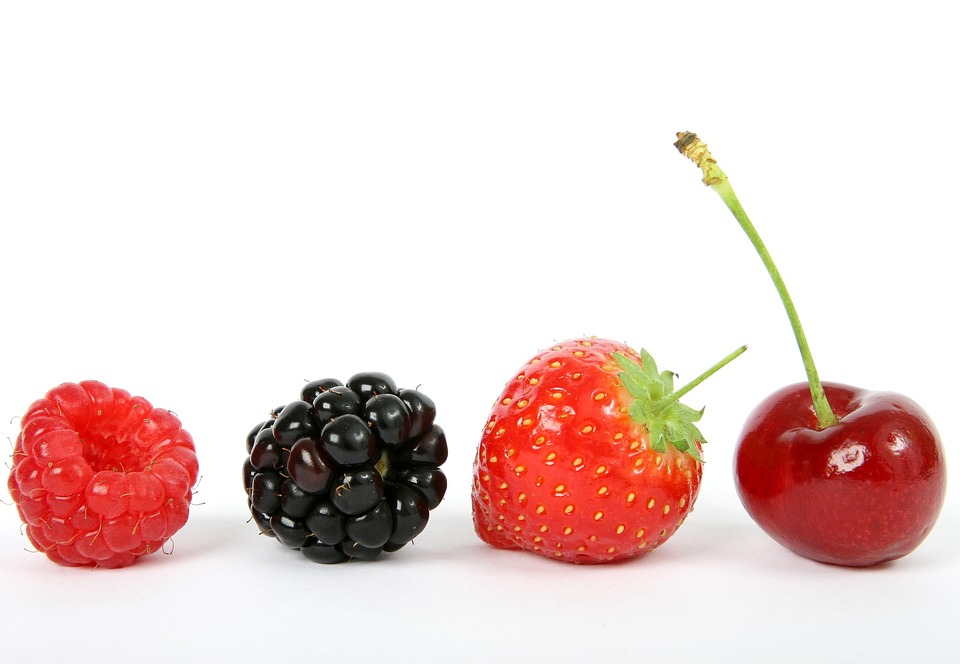
Berries (Blueberries, Raspberries)
Berries, such as blueberries and raspberries, are vibrant powerhouses of **antioxidants**, particularly **anthocyanins**. These pigments give berries their deep hues and are extensively researched for their protective qualities throughout the body.
The high concentration of **vitamin C** in berries is also noteworthy. Vitamin C is a well known cofactor in the synthesis of **collagen**, a primary structural protein that provides firmness and elasticity to the skin. This contributes to a youthful looking complexion.
Beyond collagen support, vitamin C also functions as a potent antioxidant, helping to mitigate the appearance of everyday environmental stressors on the skin. It aids in maintaining a bright and even skin tone. Many people find this contributes to skin luminosity.
Regular consumption of various berries is a delicious way to flood your system with compounds that support overall skin vitality and resilience. They are a simple yet effective addition to a skin supporting dietary regimen.
- Key Compounds: Anthocyanins, Vitamin C, Quercetin
- Primary Benefits for Skin (General Wellness): Contributes to collagen formation, supports antioxidant defenses, aids in maintaining a bright skin tone
- Integrative Consideration: Potent antioxidant source, collagen synthesis support
Snacking and Sweetening
Incorporate a handful of fresh or frozen berries into your daily routine, whether in oatmeal, yogurt, smoothies, or simply as a standalone snack.
Sweet Potatoes
Sweet potatoes are celebrated not just for their delicious taste but also for their profound nutritional benefits, particularly for skin health. They are an exceptional source of **beta carotene**, a precursor to **vitamin A**.
Beta carotene is a powerful **carotenoid** antioxidant. Once consumed, your body converts beta carotene into vitamin A, which is often discussed for its role in supporting normal skin cell function and turnover. This contributes to a smooth and healthy texture.
Additionally, beta carotene lends a natural, subtle warmth to the skin’s complexion, a phenomenon often associated with a healthy glow. Many find that regular consumption contributes to a more vibrant appearance.
Sweet potatoes also provide **vitamin C**, further supporting collagen synthesis and offering antioxidant protection. Their natural sugars offer sustained energy, avoiding rapid blood sugar spikes which can sometimes influence skin appearance.
- Key Compounds: Beta carotene (Pro Vitamin A), Vitamin C, Anthocyanins
- Primary Benefits for Skin (General Wellness): Supports normal skin cell function, contributes to a warm complexion, aids in collagen production
- Integrative Consideration: Natural source of Vitamin A, antioxidant properties
Versatile Culinary Use
Enjoy sweet potatoes baked, roasted, or mashed as a wholesome side dish, or integrate them into stews and curries for a nutrient boost.
Walnuts
Walnuts stand out among nuts for their unique fatty acid profile, making them a significant contributor to skin health. They are one of the few nuts that provide substantial amounts of **omega-3 fatty acids**, including **alpha linolenic acid (ALA)**.
ALA is an essential fatty acid that the body cannot produce on its own. It is widely discussed for its role in maintaining the integrity of the skin’s barrier function, which is critical for retaining moisture and shielding against environmental stressors.
Walnuts also supply other beneficial nutrients such as **zinc**, **selenium**, and **vitamin E**. Zinc is often explored for its role in skin healing and overall cellular health. Selenium is another antioxidant mineral that contributes to skin resilience.
The combination of omega-3s, antioxidants, and minerals in walnuts offers a comprehensive approach to supporting skin vitality. They are a convenient and tasty addition to a diet aimed at promoting a healthy complexion.
- Key Compounds: Alpha Linolenic Acid (ALA) omega-3, Zinc, Selenium, Vitamin E
- Primary Benefits for Skin (General Wellness): Supports skin barrier function, aids in cellular health, contributes to skin resilience
- Integrative Consideration: Plant based omega 3s, essential trace minerals
Mindful Snacking
A small handful of walnuts daily can serve as an excellent snack or be sprinkled over salads and breakfast cereals for added nutritional value.
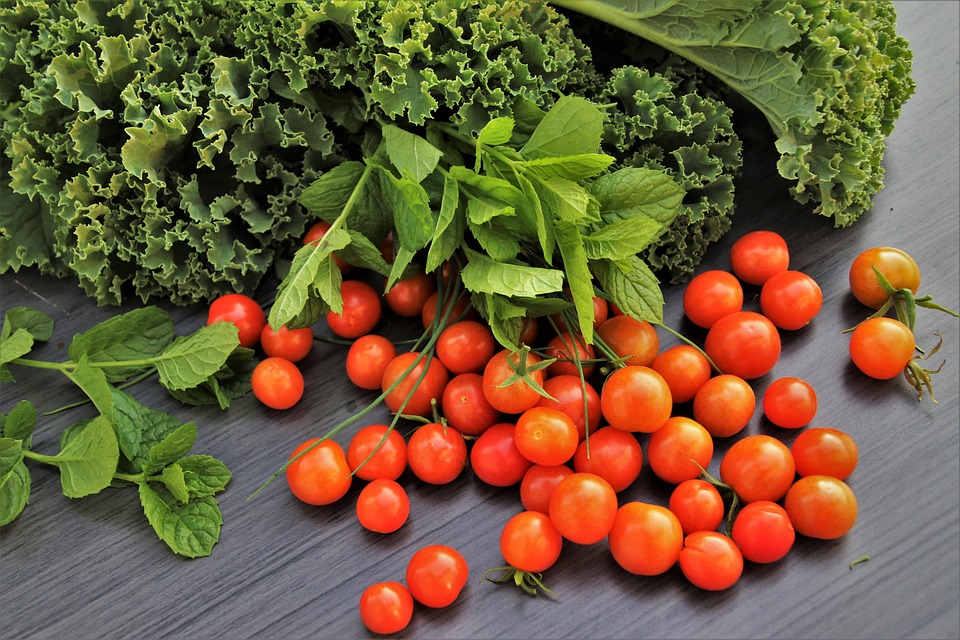
Leafy Greens (Spinach, Kale)
Dark leafy greens like spinach and kale are nutritional powerhouses, particularly beneficial for promoting skin health. They are packed with **vitamins A, C, and K**, along with a range of potent antioxidants.
**Vitamin C** in these greens is crucial for collagen synthesis, helping to maintain skin’s firmness and elasticity. **Vitamin A**, provided in the form of carotenoids, supports healthy skin cell turnover and a smooth texture.
**Vitamin K** is also present in significant amounts, and it’s often discussed for its role in supporting healthy circulation and potentially reducing the appearance of certain skin discolorations. This contributes to a more even toned complexion.
Furthermore, leafy greens are rich in **lutein** and **zeaxanthin**, two carotenoids that may offer some natural protection against the effects of sun exposure. These compounds help to filter blue light and contribute to overall skin resilience.
- Key Compounds: Vitamins A, C, K, Lutein, Zeaxanthin, Antioxidants
- Primary Benefits for Skin (General Wellness): Supports collagen, aids in skin cell health, contributes to an even skin tone, provides antioxidant support
- Integrative Consideration: Broad spectrum vitamins, carotenoids for skin protection
Daily Nutrient Boost
Incorporate leafy greens into your diet by adding them to smoothies, salads, stir fries, or lightly sautéed as a side dish for maximum benefit.
Bell Peppers
Bell peppers, especially the red and yellow varieties, are a standout source of **vitamin C**, often containing more per serving than an orange. This makes them a critical food for promoting healthy skin.
As mentioned, **vitamin C** is indispensable for the production of **collagen**, the protein that keeps skin firm and elastic. Consistent intake supports the body’s natural ability to maintain a youthful looking appearance.
Beyond vitamin C, bell peppers also offer a variety of **carotenoids**, including **beta carotene** and **capsanthin**. These compounds function as antioxidants, assisting in the protection of skin cells from environmental damage.
The vibrant colors of bell peppers are a direct indicator of their rich nutrient profile. Regularly including them in your diet can contribute to overall skin vitality and a resilient complexion.
- Key Compounds: Vitamin C, Beta Carotene, Capsanthin
- Primary Benefits for Skin (General Wellness): Boosts collagen synthesis, provides antioxidant defense, supports a vibrant complexion
- Integrative Consideration: Exceptionally high Vitamin C, diverse antioxidants
Versatile Raw or Cooked Addition
Enjoy bell peppers raw as strips with hummus, sliced into salads, or stir fried with other vegetables for a delightful crunch and nutrient boost.
Tomatoes
Tomatoes are a cornerstone of many healthy diets, highly prized for their content of **lycopene**, a powerful carotenoid. Lycopene is extensively studied for its antioxidant properties and its benefits for skin health.
The bioavailability of **lycopene** is actually enhanced when tomatoes are cooked, meaning tomato paste or sauces can be particularly beneficial. This compound helps to support the skin’s natural defenses against environmental stressors.
Tomatoes also provide a good amount of **vitamin C**, further contributing to collagen production and general skin well-being. This dual action of antioxidants and collagen support makes them a valuable addition to your diet.
Research from the National Institutes of Health suggests that regular consumption of lycopene rich foods may contribute to a feeling of skin resilience. Many people find this contributes to a smoother looking skin texture.
- Key Compounds: Lycopene, Vitamin C, Beta Carotene
- Primary Benefits for Skin (General Wellness): Provides antioxidant protection, aids in collagen support, contributes to skin resilience
- Integrative Consideration: Enhanced lycopene absorption when cooked, supports skin texture
Everyday Culinary Staple
Incorporate tomatoes into your meals through sauces, soups, salads, or roasted dishes to maximize your intake of beneficial lycopene.
Green Tea
Green tea has been cherished for centuries, not only for its distinct flavor but also for its profound health benefits, especially for the skin. It is exceptionally rich in **polyphenols**, particularly **catechins**, with **epigallocatechin gallate (EGCG)** being the most prominent.
EGCG is a powerful antioxidant, often discussed for its role in supporting skin protection against environmental damage. This contributes to maintaining a youthful appearance and a resilient skin feel.
Regular consumption of green tea is often associated with a sense of calm and clarity, which can indirectly benefit skin health by supporting overall well-being. It provides a gentle yet effective boost.
Furthermore, green tea contains moderate amounts of **L-theanine**, an amino acid that contributes to its unique flavor profile and promotes a relaxed yet alert state. This blend of compounds supports a balanced approach to wellness, reflecting in skin vitality.
- Key Compounds: Epigallocatechin Gallate (EGCG), Polyphenols, L-Theanine
- Primary Benefits for Skin (General Wellness): Provides antioxidant defense, supports skin protection, contributes to a balanced sense of well-being
- Integrative Consideration: Potent antioxidant catechins, supports overall wellness
Hydrating Beverage Choice
Make green tea a part of your daily hydration ritual, consuming one to two cups to benefit from its rich antioxidant profile and wellness compounds.
Dark Chocolate
Dark chocolate, particularly varieties with a high cocoa content (70% or more), is a surprising yet potent food for skin health. It is laden with **flavanols**, a type of antioxidant found in cocoa beans.
These flavanols are widely explored for their ability to support healthy circulation, which is vital for delivering nutrients to the skin. This can contribute to a nourished and vibrant complexion.
Dark chocolate also contains small amounts of essential minerals like **zinc** and **iron**, which play roles in overall skin cellular function and repair. These micronutrients are fundamental for maintaining skin vitality.
Choosing quality dark chocolate as an occasional treat provides not only sensory pleasure but also a dose of beneficial antioxidants that contribute to skin resilience and a healthy glow. Remember to consume in moderation due to its caloric density.
- Key Compounds: Flavanols, Zinc, Iron, Magnesium
- Primary Benefits for Skin (General Wellness): Supports healthy circulation, provides antioxidant protection, aids in skin cellular function
- Integrative Consideration: Rich in antioxidants, supports nutrient delivery to skin
Occasional Indulgence
Enjoy a small square of high quality dark chocolate (70% cocoa or higher) a few times a week as a beneficial and satisfying treat.
Comparative Overview of Skin Supporting Compounds
Understanding the specific compounds in these foods helps illustrate their individual contributions to skin health. Each nutrient plays a distinct, yet interconnected, role. This table summarizes some key elements.
| Food Category | Key Skin Nutrients | Primary Wellness Impact |
|---|---|---|
| Avocado | Monounsaturated Fats, Vitamin E, C | Supports supple skin feel, antioxidant protection |
| Fatty Fish | Omega-3s (EPA, DHA), Vitamin E | Contributes to skin comfort, resilience |
| Berries | Vitamin C, Anthocyanins | Aids collagen, strong antioxidant defense |
| Sweet Potatoes | Beta Carotene (Pro-Vitamin A), Vitamin C | Supports skin cell function, warm complexion |
| Walnuts | ALA Omega-3, Zinc, Selenium | Supports skin barrier, cellular health |
| Leafy Greens | Vitamins A, C, K, Lutein | Aids collagen, even tone, antioxidant support |
| Bell Peppers | Vitamin C, Carotenoids | Boosts collagen, antioxidant defense |
| Tomatoes | Lycopene, Vitamin C | Provides antioxidant protection, skin resilience |
| Green Tea | EGCG, Polyphenols | Strong antioxidant defense, supports skin protection |
| Dark Chocolate | Flavanols, Zinc | Supports healthy circulation, antioxidant protection |
Integrating These Foods Into Your Lifestyle
Incorporating these ten foods into your diet doesn’t require a radical overhaul. Small, consistent changes can yield significant benefits for your skin’s appearance and health over time. Think about how to swap less nutrient dense options for these powerful choices.
Variety is truly important. Consuming a broad spectrum of fruits, vegetables, healthy fats, and proteins ensures your skin receives a full array of necessary nutrients. Each food offers unique compounds that work synergistically.
Cooking methods also play a role. Opt for gentle preparation techniques like steaming, baking, or light sautéing to preserve the delicate nutrients in these foods. Excessive heat can sometimes diminish the potency of certain vitamins and antioxidants.
Hydration is another key component often overlooked. While these foods provide moisture, consistently drinking enough water throughout the day is fundamental for maintaining skin plumpness and overall cellular function. People often find that good hydration enhances skin’s glow.
People with underlying conditions often work with a qualified healthcare professional for personalized guidance regarding dietary changes. This ensures that any new dietary approaches align with individual health needs and considerations.
Frequently Asked Questions
Can diet alone significantly improve skin conditions?
Diet plays a supportive role in overall skin health and appearance, but it is one factor among many. A nutrient rich diet can contribute to skin vitality, while other elements like skincare routines, sun protection, and lifestyle choices are also important. It’s about a holistic approach.
How long does it take to see results from dietary changes for skin?
Individual responses vary, but changes in skin appearance from dietary adjustments typically take time. Skin cells continuously regenerate, so allowing for several weeks to a few months may reveal noticeable differences as new cells develop with better nutritional support. Patience and consistency are key.
Are there any foods to limit for better skin health?
While the focus here is on beneficial foods, some people find that limiting excessive intake of highly processed foods, sugary drinks, and certain types of dairy may contribute to a clearer complexion. Individual sensitivities differ, so paying attention to your body’s responses can be helpful.
Should I take supplements if I eat these foods regularly?
A balanced diet rich in these foods generally provides a wide array of essential nutrients. Some people may explore supplements as an additional measure, but it’s often discussed that whole foods offer synergistic benefits that isolated supplements may not fully replicate. Discussing this with a healthcare professional can provide clarity.
The Bottom Line
Nourishing your body with whole, nutrient dense foods is a powerful strategy for supporting vibrant, healthy skin. The ten foods highlighted here offer a compelling blend of vitamins, minerals, antioxidants, and healthy fats that contribute to a radiant complexion. Prioritizing these dietary choices can truly elevate your skin health from within.
Begin by thoughtfully incorporating more of these beneficial foods into your daily meals.
Get Your FREE Natural Health Guide!
Subscribe now and receive our exclusive ebook packed with natural health tips, practical wellness advice, and easy lifestyle changes, delivered straight to your inbox.