Fueling Cardiovascular Wellness: Exploring Cholesterol-Lowering Foods for a Balanced Lifestyle
Maintaining healthy cholesterol levels is a cornerstone of overall cardiovascular well-being. Many factors influence these levels, from genetics and lifestyle choices to the foods we incorporate into our daily diet. Understanding the powerful connection between nutrition and lipid profiles empowers individuals to make informed decisions.
The body naturally produces cholesterol, a waxy, fat-like substance essential for building cells and producing vitamins and hormones. However, an imbalance, particularly with elevated low-density lipoprotein (LDL) cholesterol, often called “bad” cholesterol, can pose wellness challenges. High-density lipoprotein (HDL) cholesterol, or “good” cholesterol, helps transport excess cholesterol away from the arteries.
Fortunately, strategic dietary choices can play a significant role in supporting healthy lipid levels already within a normal range. Integrating specific cholesterol-lowering foods into meals offers a flavorful and proactive approach to nourishing your heart and vascular system. This guide delves into ten such delicious options, providing insight into their unique contributions.
The Science of Dietary Lipid Management
Our diet exerts a profound influence on how the body manages cholesterol. Foods rich in soluble fiber, plant sterols, and healthy fats can significantly impact the absorption and processing of dietary and endogenous cholesterol. This isn’t about “fixing” a problem but rather supporting the body’s natural regulatory systems.
Soluble fiber, found in many plant foods, forms a gel-like substance in the digestive tract. This gel can bind to bile acids, which are made from cholesterol, prompting the liver to draw more cholesterol from the bloodstream to produce new bile. This process can contribute to maintaining healthy LDL levels.
Healthy fats, particularly monounsaturated and polyunsaturated fats, influence lipid metabolism in beneficial ways. They can help shift the balance towards favorable cholesterol types and support the integrity of arterial walls. Plant sterols, structurally similar to cholesterol, compete for absorption in the gut, reducing the amount of dietary cholesterol that enters the bloodstream.
This interplay of various compounds within whole foods offers a multi-faceted approach to dietary cholesterol management. It emphasizes a holistic perspective where diverse nutrients work synergistically to support cardiovascular health. People with underlying conditions often work with a qualified healthcare professional for personalized guidance regarding dietary changes.
- Key Strategies: Emphasizing soluble fiber, healthy fats, and plant sterols.
- Dietary Focus: Prioritizing whole, unprocessed foods over refined options.
- Primary Goal: Supporting the body’s natural processes for maintaining healthy lipid profiles.
Recommended Approach
Incorporate a variety of these nutrient-dense foods into your regular eating patterns to experience their combined wellness benefits.
| Food Category | Key Bioactive Compounds | Primary Contribution to Lipid Profile | Sample Daily Integration |
|---|---|---|---|
| Soluble Fiber Rich Grains | Beta-glucans, various fibers | Supports reduced cholesterol absorption | Oatmeal for breakfast, barley in soups |
| Nuts & Seeds | Monounsaturated fats, phytosterols, fiber | Influences LDL levels, provides healthy fats | Handful as a snack, added to salads |
| Legumes | Soluble fiber, plant protein | Assists with bile acid excretion | Lentil soup, bean chili, hummus |
| Avocados & Olive Oil | Monounsaturated fatty acids | Contributes to HDL cholesterol levels, supports healthy arteries | Avocado toast, olive oil in dressings |
| Fatty Fish | Omega-3 fatty acids (EPA, DHA) | Supports triglyceride regulation, vascular health | Baked salmon, grilled mackerel |
| Berries | Anthocyanins, soluble fiber | Provides antioxidant support, aids fiber intake | Smoothies, yogurt toppings, fresh snacks |
| Dark Chocolate | Flavonoids, monounsaturated fats | Offers antioxidant properties, influences blood flow | Small portion as an occasional treat |
Our Top 10 Delicious Foods for Cholesterol Support
1. Oats
Oats stand out as a breakfast staple, widely recognized for their profound impact on cardiovascular wellness. The key player here is a type of soluble fiber called **beta-glucan**. When consumed, beta-glucan forms a viscous gel in the digestive tract, which is instrumental in its cholesterol-supporting actions.
This gel physically binds to cholesterol-rich bile acids, preventing their reabsorption into the bloodstream. As these bound bile acids are excreted, the liver must pull more cholesterol from the circulation to produce new bile acids. This continuous process can help maintain healthy lipid levels. Regular consumption of oats can be a simple yet effective dietary choice for those looking to support their cardiovascular health.
Beyond its fiber content, oats also provide a range of vitamins, minerals, and antioxidants. They are a versatile grain, easily incorporated into various meals beyond just breakfast porridge. This makes them an accessible and enjoyable option for many individuals.
- Active Compounds: Beta-glucan (soluble fiber).
- Associated Benefits: Can contribute to maintaining healthy LDL cholesterol levels.
- Wellness Influence: Supports reduced absorption of cholesterol and increased bile acid excretion.
Culinary Recommendation
Start your day with a bowl of oatmeal topped with berries and nuts for a nutrient-rich breakfast.
2. Barley
Often overlooked in favor of oats, barley is another potent source of **beta-glucan** soluble fiber, offering similar benefits for lipid management. This ancient grain boasts a chewy texture and nutty flavor, making it a versatile ingredient in many dishes. Like oats, barley’s beta-glucan content works to form a gel in the digestive system.
This gel acts as a natural binder, helping to sequester bile acids and prevent their absorption. The liver then has to utilize circulating cholesterol to synthesize new bile, thus influencing overall lipid profiles. Integrating barley into your diet introduces a different texture and taste while delivering significant fiber.
Barley is also rich in various essential minerals, including manganese, selenium, and phosphorus, contributing to overall nutritional intake. Its distinct flavor profile makes it an excellent substitute for rice or other grains in various savory recipes. Exploring barley offers another path to dietary fiber enhancement.
- Active Compounds: Beta-glucan (soluble fiber).
- Associated Benefits: Supports the maintenance of healthy cholesterol levels already within a normal range.
- Wellness Influence: Influences bile acid binding and cholesterol metabolism.
Incorporating into Meals
Add cooked barley to soups, stews, or salads for a hearty and beneficial addition.
3. Nuts (Almonds and Walnuts)
Nuts, particularly almonds and walnuts, are nutritional powerhouses for cardiovascular wellness. They are packed with healthy fats, fiber, and plant sterols, all contributing to their beneficial effects on lipid profiles. **Monounsaturated and polyunsaturated fats** in nuts are known to support healthy HDL cholesterol levels.
Walnuts are unique for their high content of **alpha-linolenic acid (ALA)**, a plant-based omega-3 fatty acid. This fatty acid can help maintain healthy triglyceride levels and support overall vascular function. Almonds, on the other hand, are rich in **vitamin E**, an antioxidant that offers cellular protection.
Both types of nuts contain **plant sterols**, which compete with dietary cholesterol for absorption in the gut. By taking up space, plant sterols can reduce the amount of cholesterol that enters the bloodstream. A small handful of nuts makes an excellent snack, providing satiety and a wealth of beneficial compounds.
- Active Compounds: Monounsaturated and polyunsaturated fats, ALA (walnuts), vitamin E (almonds), plant sterols.
- Associated Benefits: Contributes to healthy HDL and LDL cholesterol levels, supports triglyceride balance.
- Wellness Influence: Impacts cholesterol absorption and influences fatty acid metabolism.
Snacking Smart
Enjoy a small portion of raw, unsalted almonds or walnuts as a daily snack or add them to yogurt.
4. Avocados
Avocados are celebrated for their creamy texture and high content of **monounsaturated fatty acids (MUFAs)**, primarily oleic acid. These healthy fats are highly regarded for their role in supporting cardiovascular health. MUFAs can influence lipid profiles in a way that contributes to beneficial HDL cholesterol levels.
Beyond healthy fats, avocados also provide a substantial amount of **fiber**, both soluble and insoluble. This dietary fiber content aids in digestive health and can further contribute to the mechanisms involved in cholesterol management. The combination of healthy fats and fiber makes avocados a potent addition to any diet aiming for cardiovascular support.
Avocados are also rich in potassium, a mineral important for blood pressure regulation, and various B vitamins, which are crucial for energy metabolism. Their versatility in the kitchen, from salads and sandwiches to smoothies, makes them easy to incorporate daily. This information is educational and not a substitute for medical advice.
- Active Compounds: Monounsaturated fatty acids (oleic acid), dietary fiber.
- Associated Benefits: Supports healthy HDL cholesterol and overall lipid balance.
- Wellness Influence: Modulates fatty acid synthesis and absorption processes.
Everyday Inclusion
Mash avocado for toast, add slices to salads, or blend into smoothies for a rich, healthy fat source.
5. Olive Oil
Extra virgin olive oil is a cornerstone of the Mediterranean diet, widely recognized for its heart-healthy properties. Its primary active component is **monounsaturated fatty acids (MUFAs)**, particularly oleic acid, along with a rich array of **polyphenols** and **antioxidants**. These compounds work synergistically to support cardiovascular wellness.
MUFAs in olive oil can positively influence cholesterol levels, contributing to the maintenance of healthy HDL cholesterol. The polyphenols and antioxidants offer cellular protection, which is crucial for overall vascular health. Choosing extra virgin olive oil, which is minimally processed, ensures a higher concentration of these beneficial compounds.
Using olive oil as a primary cooking fat or dressing offers a simple way to replace less healthy fats in the diet. It provides a flavorful addition to meals while delivering significant health-supporting nutrients. People with underlying conditions often work with a qualified healthcare professional for personalized guidance on dietary fat choices.
- Active Compounds: Monounsaturated fatty acids (oleic acid), polyphenols, antioxidants.
- Associated Benefits: Contributes to healthy HDL cholesterol levels, offers antioxidant support.
- Wellness Influence: Impacts lipid metabolism and oxidative processes within cells.
Cooking and Dressing
Utilize extra virgin olive oil for salad dressings, dipping, or light sautéing to maximize its benefits.
6. Fatty Fish
Fatty fish like salmon, mackerel, herring, and sardines are exceptional sources of **omega-3 fatty acids**, specifically **eicosapentaenoic acid (EPA)** and **docosahexaenoic acid (DHA)**. These long-chain polyunsaturated fats are critical for cardiovascular health and general well-being. They differ significantly from plant-based omega-3s.
EPA and DHA are known to support healthy **triglyceride levels**, which are another type of fat in the blood. Maintaining balanced triglyceride levels is an important aspect of a healthy lipid profile. These omega-3s also contribute to overall vascular function and cellular integrity.
Regular consumption of fatty fish can be a delicious way to integrate these essential nutrients into your diet. Aiming for two servings per week can help ensure adequate intake. These fish offer not only omega-3s but also lean protein and various vitamins.
- Active Compounds: Omega-3 fatty acids (EPA and DHA).
- Associated Benefits: Supports the maintenance of healthy triglyceride levels and vascular wellness.
- Wellness Influence: Modulates lipid synthesis and inflammatory pathways.
Meal Preparation
Include baked, grilled, or broiled salmon or mackerel in your meals a couple of times each week.
7. Legumes (Beans, Lentils, Chickpeas)
Legumes are a diverse group of plant-based foods, including beans, lentils, and chickpeas, all rich in **soluble fiber** and plant protein. Their high fiber content is a primary reason for their beneficial effects on cholesterol management. Similar to oats and barley, the soluble fiber in legumes forms a gel.
This gel helps to bind bile acids in the digestive tract, facilitating their excretion. This process encourages the liver to draw more cholesterol from the bloodstream to produce new bile, thereby influencing overall cholesterol levels. Legumes provide a dense source of nutrients without contributing dietary cholesterol.
Beyond fiber, legumes are excellent sources of plant protein, complex carbohydrates, and various minerals like iron and magnesium. Incorporating them into meals adds bulk, satiety, and a host of beneficial compounds. They are a versatile and cost-effective food choice for supporting a healthy diet.
- Active Compounds: Soluble fiber, plant protein.
- Associated Benefits: Contributes to maintaining healthy LDL cholesterol levels, supports digestive health.
- Wellness Influence: Assists with bile acid binding and intestinal transit.
Versatile Integration
Add beans to chili, lentils to soups, or chickpeas to salads and hummus for a fiber boost.
8. Berries
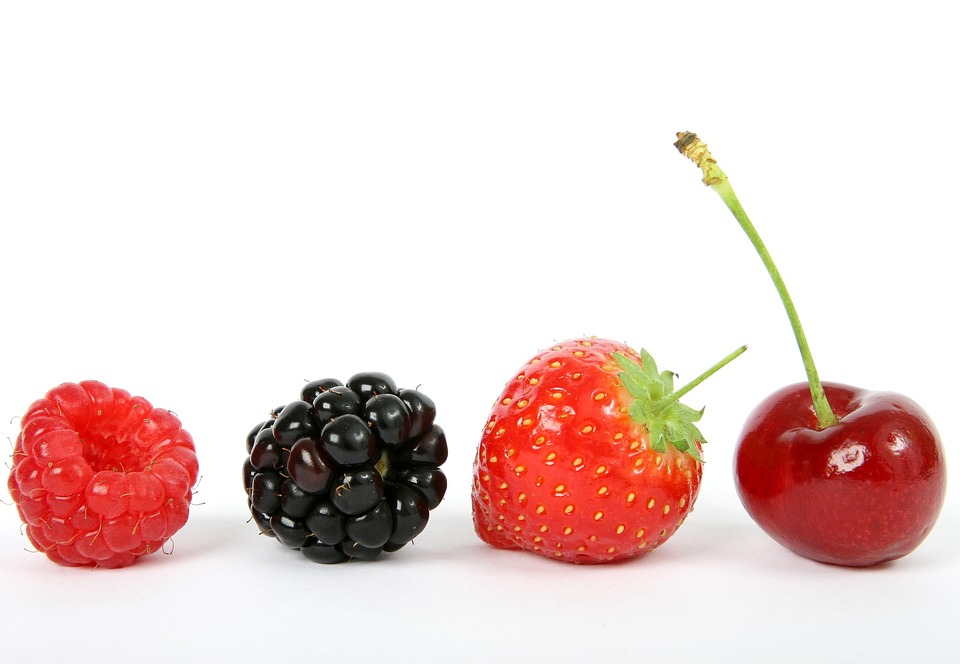
Berries, such as blueberries, strawberries, and raspberries, are vibrant fruits packed with **antioxidants**, particularly **anthocyanins**, and a good amount of **soluble fiber**. These compounds contribute to their reputation as health-promoting foods, especially in supporting cardiovascular wellness.
The soluble fiber in berries, like that in oats and legumes, can assist in the process of binding to bile acids in the digestive tract. This binding helps prevent the reabsorption of bile acids, prompting the body to utilize cholesterol from the bloodstream for new bile acid production. This mechanism contributes to maintaining healthy lipid profiles.
Furthermore, the rich antioxidant content of berries helps protect cells from oxidative stress. This cellular support is important for maintaining the integrity and function of the vascular system. Berries offer a naturally sweet and refreshing way to increase both fiber and antioxidant intake.
- Active Compounds: Anthocyanins (antioxidants), soluble fiber.
- Associated Benefits: Offers antioxidant support, contributes to healthy cholesterol levels.
- Wellness Influence: Influences bile acid excretion and provides cellular protection.
Sweet Addition
Enjoy fresh berries as a snack, mix them into yogurt or cereal, or blend them into smoothies.
9. Dark Chocolate
For those who enjoy a treat, dark chocolate, particularly varieties with a high cocoa content (70% or more), offers more than just flavor. It contains **flavonoids**, powerful antioxidants, and some **monounsaturated fatty acids**. These components are associated with various cardiovascular benefits.
The flavonoids in dark chocolate can contribute to healthy blood flow and offer significant antioxidant support for the body’s cells. While dark chocolate does contain saturated fat, the overall profile, combined with its beneficial compounds, suggests a nuanced effect when consumed in moderation. It’s about balance and portion size.
It’s important to choose dark chocolate with a high cocoa percentage and minimal added sugar to maximize its potential wellness attributes. This information is educational and not a substitute for medical advice. Enjoying a small piece can be part of a balanced diet.
- Active Compounds: Flavonoids, antioxidants, monounsaturated fats.
- Associated Benefits: Offers antioxidant support, may influence blood flow.
- Wellness Influence: Modulates oxidative processes and vascular function.
Mindful Indulgence
Savor a small square of dark chocolate (70% cocoa or higher) as an occasional treat.
10. Leafy Greens (Spinach, Kale, Collard Greens)
Leafy green vegetables are nutritional powerhouses, often celebrated for their comprehensive health benefits. While not directly influencing cholesterol levels in the same way as soluble fiber, they play a crucial supporting role through their rich content of **phytosterols**, **fiber**, and various **antioxidants** and **vitamins**.
These greens contain small but significant amounts of plant sterols, which can compete with cholesterol for absorption in the gut. This competitive process can help reduce the amount of dietary cholesterol that enters the bloodstream. Additionally, the fiber content, though not always soluble, still contributes to overall digestive health.
Leafy greens are also packed with antioxidants, such as beta-carotene and lutein, and vitamins like K, C, and folate, which are vital for overall cellular and vascular health. Integrating a variety of leafy greens into your diet contributes to a nutrient-dense eating pattern that supports broad wellness. Research from the USDA Agricultural Research Service highlights the role of phytosterols in cardiovascular benefits.
- Active Compounds: Phytosterols, fiber, antioxidants, various vitamins.
- Associated Benefits: Provides plant sterols to influence cholesterol absorption, offers antioxidant support.
- Wellness Influence: Contributes to digestive health and cellular protection.
Daily Nutrient Boost
Incorporate spinach into smoothies, kale into salads, or collard greens as a cooked side dish.
Frequently Asked Questions
Can specific cooking methods impact the cholesterol-supporting benefits of these foods?
Yes, how you prepare these foods matters. Frying items in unhealthy fats can counteract the benefits of the food itself. Opt for baking, grilling, steaming, or light sautéing with healthy oils like olive oil to preserve the beneficial compounds.
How long does it take for dietary changes to influence cholesterol levels?
The timeframe can vary significantly among individuals, depending on baseline levels, the consistency of dietary changes, and other lifestyle factors. Some people may see shifts in a few weeks, while for others, it might take several months. Sustained effort yields the most consistent results.
Are supplements a replacement for incorporating these foods into my diet?
Dietary supplements should generally complement a healthy diet, not replace it. Whole foods offer a complex matrix of nutrients, fiber, and phytochemicals that often work synergistically, providing benefits that single supplements might not replicate. It’s generally best to prioritize whole food sources.
What role does exercise play alongside dietary adjustments for cholesterol management?
Regular physical activity is an important companion to a healthy diet. Exercise can help increase HDL cholesterol and support healthy triglyceride levels, complementing the dietary efforts to manage overall lipid profiles. A holistic approach combining diet and activity is often discussed with healthcare providers.
The Bottom Line
Adopting a dietary pattern rich in cholesterol-lowering foods is a flavorful and impactful strategy for supporting cardiovascular wellness. By integrating oats, barley, nuts, avocados, olive oil, fatty fish, legumes, berries, dark chocolate, and leafy greens, you can actively contribute to maintaining healthy lipid profiles. These foods offer more than just individual compounds; they provide a synergistic blend of nutrients that nourish the body from within.
For personalized guidance on dietary changes and cardiovascular health, consult a qualified healthcare professional.
Get Your FREE Natural Health Guide!
Subscribe now and receive our exclusive ebook packed with natural health tips, practical wellness advice, and easy lifestyle changes, delivered straight to your inbox.