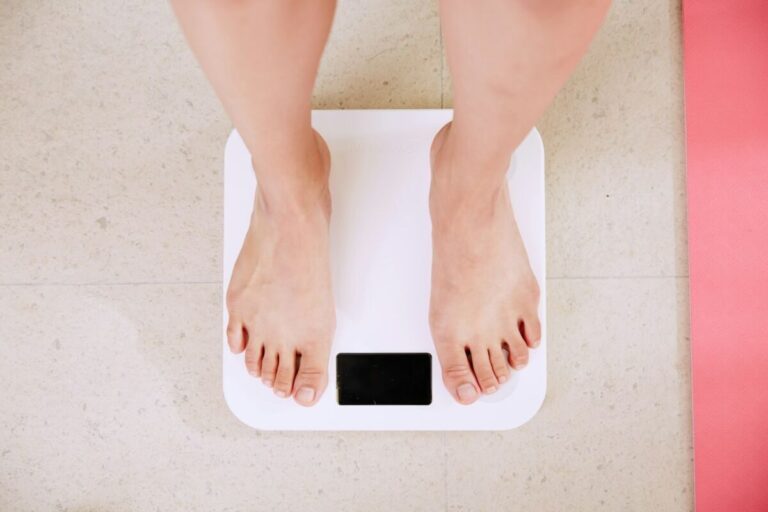
Understanding Why Your Weight Loss Stalled Despite A Calorie Deficit
You followed the math. You tracked every single bite and moved your body daily. Yet the scale remains frozen in place despite your persistence.
Many people find themselves in this frustrating position after months of consistency. Your body often adapts to your new intake levels in ways that prevent further fat loss.
Weight loss often plateaus because your body lowers its daily energy expenditure to match your reduced intake. This metabolic adaptation forces your system to hold onto existing stores to maintain core functions. You can resolve this by adjusting your intake intervals or activity intensity.
Key Takeaways
- Adaptive thermogenesis can reduce your daily burn by 100 to 300 calories over several months.
- Protein intake should remain at 1.6 to 2.2 grams per kilogram of body weight to preserve muscle mass.
- Water retention can mask fat loss progress for up to 4 weeks due to hormonal fluctuations.
I have seen friends reach a weight loss plateau after three months of dieting because their bodies became more efficient at burning fewer calories.
1 Metabolic Adaptation And The Energy Gap
Your body views a persistent energy gap as a threat to survival. It responds by turning down internal processes to conserve fuel. This is the primary reason why your weight loss stalled despite a calorie deficit.
The Biological Shift In Efficiency
Your organs and muscles become better at operating on less food. This happens because your body reduces nonessential activities like fidgeting or subconscious movement. Research from the National Institutes of Health indicates that your resting burn drops as your total mass decreases.
Adjusting For The New Normal
You must recalculate your intake needs every time you drop a significant amount of weight. A body that weighs 180 pounds requires more fuel than one that weighs 160 pounds. Failing to adjust your target leads to a neutral balance point where you maintain instead of lose.
2 Tracking Errors And Portion Creep
Memory is an unreliable partner when it comes to logging meals. Studies show that most individuals underestimate their intake by 20 to 30 percent. Even small slips add up to a surplus over a full week.
| Food Category | Estimated Intake | Actual Intake |
|---|---|---|
| Cooking Oils | 1 teaspoon | 3 teaspoons |
| Nut Butters | 1 tablespoon | 2 tablespoons |
| Liquid Calories | 0 calories | 150 calories |
3 The Role Of Muscle Preservation
Losing weight too quickly often causes your body to shed muscle tissue along with fat. Muscle is metabolically expensive to maintain. Less muscle leads to a lower daily energy burn.
Prioritizing Protein Intake
Protein requires more energy for digestion than carbohydrates or fats. A higher protein intake keeps your satiety levels stable while protecting your muscle mass. Data from the National Institutes of Health supports the role of amino acids in supporting metabolic function.
Strength Training Integration
Weight lifting provides a signal to your body to keep muscle tissue. Use heavy loads that challenge your fibers. This creates a physiological demand for recovery that keeps your metabolism elevated.
4 Hormonal Influences On Water Retention
Stress hormones like cortisol can cause your body to hold onto extra fluid. This fluid weight often masks the actual loss of fat. You might see the scale go up even when you are burning fat.
Managing Stress Levels
High levels of physical or mental stress trigger water retention. Prioritize consistent sleep cycles to help your body regulate these systems. Deep sleep allows your body to recover from the stress of dieting.
The Impact Of Sodium Intake
Fluctuations in salt intake cause immediate shifts in how your body balances fluids. Track your salt intake alongside your food logs to identify patterns. Consistent habits make it easier to interpret scale changes.
5 Calculating Your Energy Balance
You must perform a reality check on your movement and food intake. Use this method to see if your math aligns with your current physical state.
- Calculate TDEE: Use a standard formula based on your current weight, age, and activity level to find your daily maintenance needs.
- Subtract The Gap: Create a deficit of 300 to 500 calories from your maintenance number.
- Reassess Weekly: Track your average weight over seven days and compare it to the previous week to see if you have crossed the threshold for actual loss.
6 The Hidden Calories In Your Diet
Small additives in your coffee or salad dressings often contain high energy density. These are easy to overlook during a busy day. They represent the most common reason for unexpected plateaus.
Liquid Calories And Satiety
Sugary drinks or creamers do not signal fullness to your brain. You ingest high amounts of energy without feeling satisfied. Switching to water or black coffee removes this obstacle.
Condiments And Sauces
Many bottled sauces contain added sugars and fats. Read the labels on every bottle in your kitchen. Use herbs and spices for flavor instead of calorie dense additives.
7 The Impact Of Sleep Quality
Sleep deprivation alters the hormones that regulate your hunger. You feel hungrier and less satisfied after a poor night of rest. This leads to unplanned snacking and higher caloric consumption.
Regulating Hunger Hormones
Lack of sleep increases levels of ghrelin, the hormone that triggers hunger. It simultaneously decreases levels of leptin, the hormone that signals fullness. This imbalance creates a constant drive to eat.
Creating A Sleep Environment
Keep your bedroom cool and dark. Remove screens thirty minutes before bedtime to support natural melatonin production. Research from the National Institutes of Health confirms that sleep deprivation disrupts energy regulation.
8 Increasing Non Exercise Activity
Structured gym time is only one part of your daily energy burn. Non exercise activity thermogenesis accounts for a significant portion of your total calories. Moving more throughout the day makes a measurable difference.
Walking For Daily Burn
Aim for a steady pace throughout your day instead of just one hour in the gym. Take the stairs or walk during calls. Small movements accumulate into meaningful energy expenditure.
Finding Active Hobbies
Incorporate movement into your social time. Choose activities that keep you on your feet. This shifts your lifestyle toward a higher baseline of energy demand.
Frequently Asked Questions
Does fasting fix a stalled metabolism?
Fasting works by limiting the windows in which you can consume food. It does not possess a unique power to alter your metabolic rate compared to standard calorie restriction.
Some people find it easier to manage their total intake with a limited eating window. If it helps you stick to your goals, it is a viable strategy for managing your energy intake.
Should I cut my calories even further to break a plateau?
Reducing your intake below a certain point often triggers a more aggressive survival response from your body. You risk losing muscle and experiencing fatigue if you lower your food intake too far.
It is usually better to maintain your current intake and increase your daily movement. This approach supports your metabolic health while continuing to drive your progress.
How long should I wait before changing my plan?
Wait for at least two weeks of stagnant scale data before assuming you have reached a true plateau. Your weight naturally fluctuates due to salt, water, and digestive factors.
Patience allows you to separate temporary noise from a real trend. If your average weight remains flat for fourteen days, then adjust your intake or activity.
Can certain foods stop my weight loss progress?
No single food carries the power to halt your progress if your total weekly intake remains in a deficit. However, some foods make it harder to maintain that deficit because they are low in volume.
Prioritize whole foods that provide high volume and fiber. These choices keep you satisfied and prevent the urge to overeat throughout your day.
Does age make losing weight harder?
Metabolic rate does shift slightly as you age due to natural loss of muscle mass. You may notice your maintenance requirements decrease over decades.
You can offset this by focusing on strength training. Protecting your lean mass helps you maintain a high metabolic rate regardless of your age.
The Bottom Line
A weight loss plateau usually results from metabolic adaptation or hidden inaccuracies in your tracking. You should focus on increasing your movement and prioritizing protein to overcome the reasons why your weight loss stalled despite a calorie deficit.
This information is for educational guidance and does not apply to individuals with eating disorders, hormonal imbalances, or chronic health conditions. Consult a licensed healthcare provider before starting any new wellness routine.
Get Your FREE Natural Health Guide!
Subscribe now and receive our exclusive ebook packed with natural health tips, practical wellness advice, and easy lifestyle changes, delivered straight to your inbox.