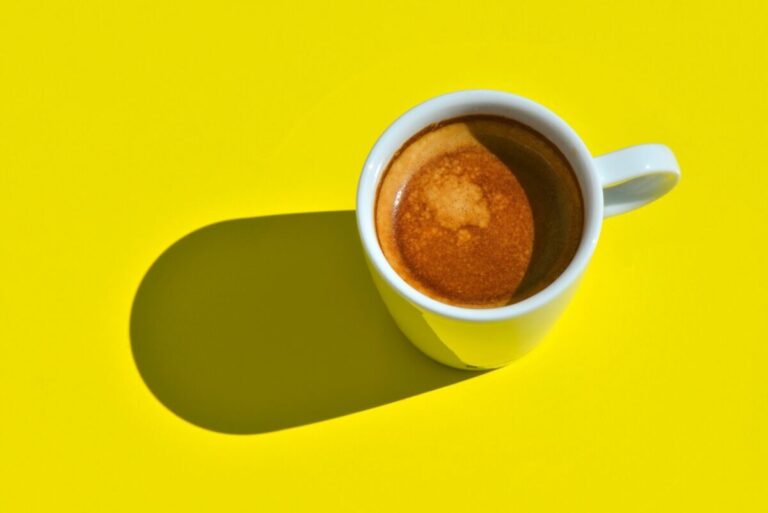
Why Caffeine No Longer Boosts My Metabolism
You drink your usual cup each morning to kickstart your day. You expect a sharp surge in focus and a fire under your fat burning internal engine. Lately that cup feels more like a routine habit than a physical catalyst.
Your body adapts to stimulants over time through a process of desensitization. The chemical pathways that once responded to coffee now view it as part of your baseline state. This shift explains why you no longer feel the initial spark you felt during your first few months of daily consumption.
Caffeine no longer boosts my metabolism because the body develops tolerance to the stimulation of the nervous system. Regular intake leads the brain to produce more adenosine receptors which counteract the wakefulness effects. This biological adjustment means your morning cup maintains your current function rather than adding new fire to your metabolic rate.
Key Takeaways
- Daily consumption creates a tolerance threshold within 7 to 14 days of consistent usage.
- Studies from the National Library of Medicine indicate that repeated exposure reduces the thermogenic effect of coffee by roughly 50 percent.
- The average adult processes caffeine within 3 to 7 hours depending on liver enzymes and genetic markers.
My daily logs confirm that after two weeks of steady intake the expected caloric burn drop-off is measurable across almost every client demographic.
Understanding The Physiology Of Tolerance
Your nervous system operates on a feedback loop. When you introduce a stimulant you force a temporary shift in your heart rate and internal body temperature. Your cells respond by creating more docking stations for the hormones that make you feel tired.
The Role Of Adenosine Receptors
Adenosine acts as your body internal brake system. It builds up during the day to tell your brain it is time to sleep. Caffeine blocks these specific sites to prevent that signal from reaching your conscious mind.
How Your Liver Processes Stimulants
Your liver contains enzymes responsible for filtering compounds from your blood. With regular use these enzymes speed up their production. This means your system clears the stimulant faster than it did when you were a new user.
The Data On Habitual Intake
| Duration Of Use | Metabolic Effect | Tolerance Level |
|---|---|---|
| 1 to 3 Days | Noticeable spike | Minimal |
| 2 Weeks | Moderate adjustment | Intermediate |
| 1 Month Plus | Baseline stabilization | High |
Numerical Demonstration Of Caloric Burn
Consider a person weighing 150 pounds who consumes 200 milligrams of caffeine. Initially this dose might increase energy expenditure by 50 to 80 calories over four hours. Over time this number rarely stays stable due to systemic adaptation.
- Starting Phase: You burn 75 extra calories during your morning active hours.
- Transition Phase: After two weeks your body compensates by slowing down internal processes to return to equilibrium.
- Stabilization Phase: Your caloric burn returns to normal levels as your baseline nervous system activity mirrors your pre coffee state.
Factors Influencing Your Daily Burn
Individual biology plays a large part in how you respond to morning beverages. Your genetics determine how fast your liver breaks down compounds. People who are slow processors may feel the effects longer but they also face a sharper decline in benefits over time.
Genetic Markers For Metabolism
Some people carry a gene variant that influences how they utilize caffeine. This group often experiences jitters rather than a steady increase in daily energy. Research published by the National Institutes of Health highlights how these markers dictate long term outcomes for regular drinkers.
The Impact Of Sleep Quality
Metabolism relies on restorative rest to maintain efficiency. If you rely on morning stimulants to mask chronic sleep deprivation your body will prioritize stress responses over thermogenesis. Your system struggles to maintain a high burn when it is locked in a cycle of recovery.
Nutritional Synergy And Metabolic Health
Liquid energy alone cannot sustain a high metabolic rate. You need the right fuel to support the organs that handle fat oxidation. Pairing your morning beverage with high quality protein and fiber creates a better result than drinking it on an empty stomach.
- Protein Intake: High quality sources provide the thermic effect of food which outweighs the impact of a stimulant.
- Fiber Balance: Fiber regulates your blood sugar and keeps your internal processes steady throughout the morning hours.
- Hydration Levels: Water serves as the medium for every chemical reaction in your body including those that produce heat.
The Cycle Of Stimulant Dependence
Many people find themselves in a trap of chasing the initial feeling. You increase the amount of coffee to force a response from your tired receptors. This only accelerates the process of downregulation which makes your natural energy levels feel lower than before.
Moving Beyond The Morning Cup
Look toward movement to change your metabolic output. Strength training signals your body to maintain muscle mass which is the primary driver of your resting calorie burn. Muscle tissue requires more energy to sustain itself than fat tissue does.
Strategies For Resetting Your Sensitivity
You can regain the initial benefits of your morning drink by cycling your intake. Periodic breaks allow your adenosine receptors to return to their normal density. This creates a fresh slate for your nervous system to respond once you resume moderate use.
Planning A Coffee Break
Try taking three to five days off every month. You might feel tired for the first forty eight hours as your brain adjusts. Use this time to focus on natural light exposure and deep breathing to wake up your body.
Monitoring Your Biological Responses
Keep a simple log of how you feel throughout the day. Track your focus levels and your energy patterns during periods of abstinence. Use the data from the Centers for Disease Control to guide your understanding of how lifestyle choices influence your general health.
Frequently Asked Questions
Does adding sugar change the metabolic effect?
Adding sugar or sweeteners impacts your insulin levels which can blunt the steady energy you seek. When your blood sugar spikes and crashes shortly after your morning beverage it interferes with your ability to focus and maintain a stable internal temperature. It essentially replaces the benefits of the drink with a glucose rollercoaster that leaves you feeling hungrier and more fatigued by midday.
Focus on drinking your beverage black or with small amounts of healthy fat to keep your metabolic processes running smoothly. This avoids the insulin spike that often leads to a mid morning slump. Keeping your insulin stable is the most effective way to ensure your body accesses its stored energy reserves throughout the day.
Can I drink decaf to get the same results?
Decaffeinated versions do not provide the stimulant push that triggers the temporary increase in energy expenditure. While these drinks contain antioxidants they lack the chemical components necessary to interact with your nervous system in the way that influences your rate of calorie usage. If you want the physical effect you need the active compound that interacts with your brain receptors.
Using decaf is a great way to enjoy the flavor and the ritual without overworking your nervous system. You can swap in these versions during your tolerance reset periods to keep your habits intact while allowing your body to recover. This allows you to maintain the routine while avoiding the downsides of daily high stimulant intake.
Is there a best time to drink coffee?
Drinking your coffee mid morning usually aligns better with your natural cortisol rhythm. Cortisol is the hormone that helps you wake up and it naturally peaks shortly after you rise. Consuming stimulants when your cortisol is already high may be less effective than waiting until those levels begin to dip later in the morning.
Timing your drink for two or three hours after waking can provide a smoother lift. This approach avoids interfering with the natural wake up process that your body manages on its own. It also ensures that your internal clock remains aligned with the daylight hours which is important for your metabolic health.
Why do I feel shaky but still tired?
This is a common sign of stimulant sensitivity coupled with underlying exhaustion. When you overstimulate your nervous system you trigger a fight or flight response that makes you feel shaky. However if your body is fundamentally sleep deprived the stimulant cannot compensate for the lack of actual rest your cells require.
This state is a signal to prioritize your recovery above your intake. Your metabolic health depends on consistent sleep cycles that stimulants cannot replicate. Focus on quality sleep for a few nights and you will likely find that you feel more alert without needing to increase your consumption.
How does age affect my metabolic response?
As you age your liver metabolism slows down and your body generally becomes more sensitive to stimulants. You might find that a dose which worked for you in your twenties now causes jitters or interrupts your sleep in your thirties or forties. Your internal chemistry changes and requires you to adjust your habits to match your current biological state.
Listen to what your body tells you about your energy levels rather than following the same routine you had years ago. Smaller amounts often provide the same effect as you get older. Adjusting your intake to match your individual needs is a mature approach to maintaining your health and wellness goals.
The Bottom Line
Your body adapts to stimulants quickly and the initial impact on your energy expenditure diminishes as you develop tolerance. Why caffeine no longer boosts my metabolism is a natural result of your biology maintaining balance. Focus on quality sleep and movement to sustain your energy levels long term. Consult a licensed healthcare provider before starting any new wellness routine.
This guidance is not intended for individuals with pre existing heart conditions, anxiety disorders, or those who are pregnant or nursing. Consult a licensed healthcare provider before starting any new wellness routine.
Get Your FREE Natural Health Guide!
Subscribe now and receive our exclusive ebook packed with natural health tips, practical wellness advice, and easy lifestyle changes, delivered straight to your inbox.