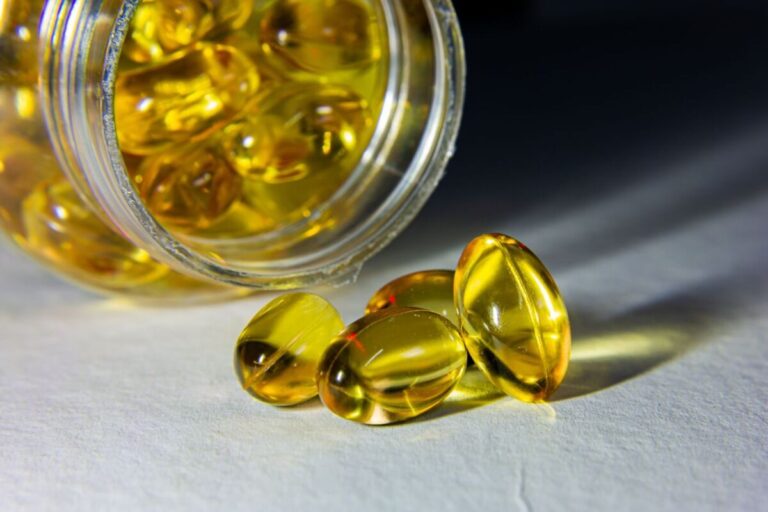
I often find myself standing in the vitamin aisle, scanning labels that promise heart health at a suspiciously low price point. It becomes clear that when the bargain bin offers a bottle for the cost of a cup of coffee, the quality of the contents sits in question. My research confirms that the processing methods used for low cost options often strip away the very benefits individuals seek.
We face a market saturated with mass produced fish oil that lacks rigorous third party verification. Many of these budget friendly oils sit on shelves for months, becoming rancid long before they reach the consumer. The chemical structure of these oils matters significantly for how the body handles them.
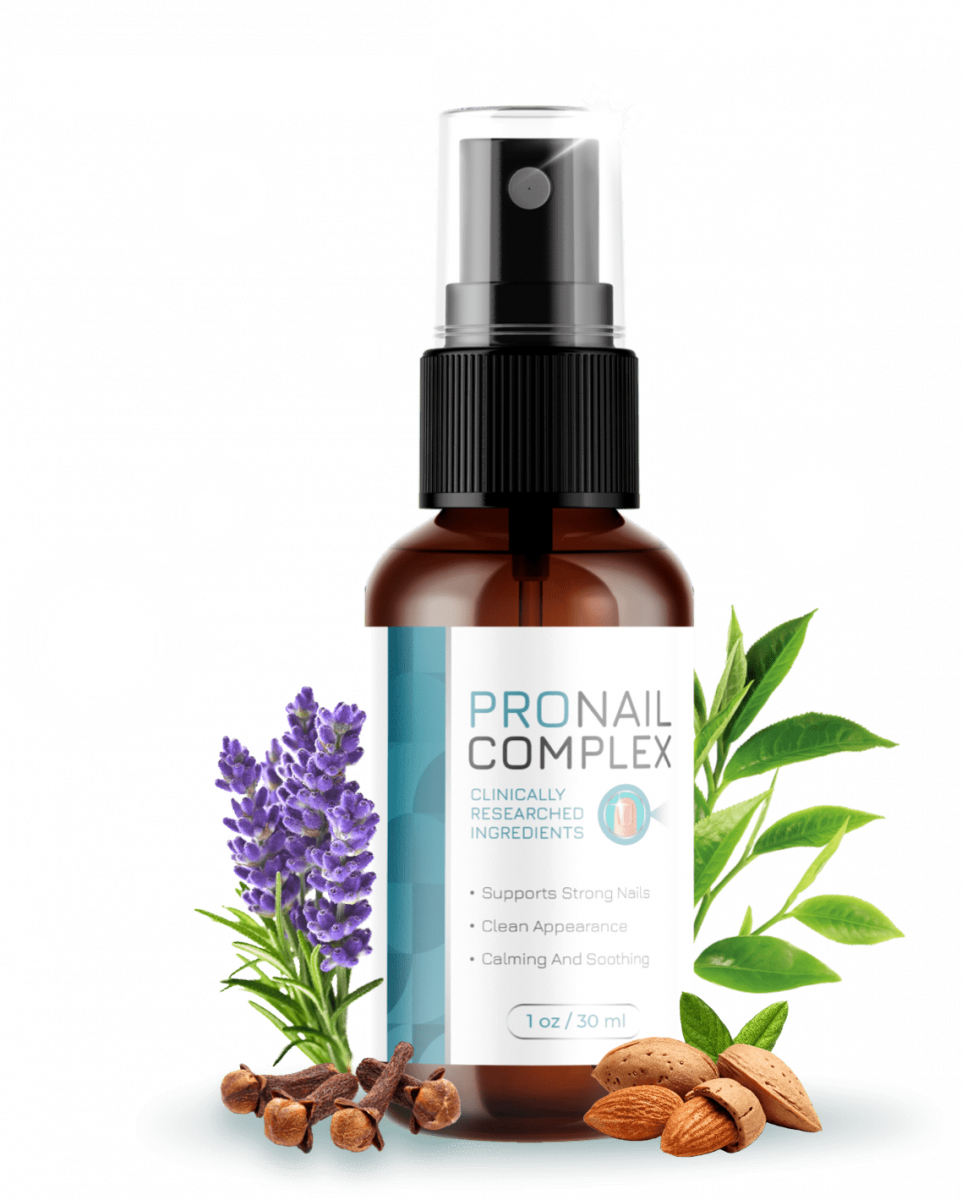
ProNail Complex™ Targeted Daily Mist
- Targeted daily mist designed to absorb deeply and support the structural balance of nail beds
- Helps maintain a clean, vibrant appearance against footwear and environmental disruptions
- Manufactured in a cGMP-compliant, FDA-registered facility without harsh chemical scraping
Why your drugstore omega 3 is likely a waste of money because low quality versions often contain oxidized fatty acids that offer no health benefit. These discount products frequently lack the necessary concentration of active components to influence cellular function. High quality options prioritize stability, freshness, and verified purity to ensure the body actually receives the intended nourishment.
Key Takeaways
- Budget fish oil products often contain less than 30 percent total fatty acid concentration.
- Oxidation levels in cheap supplements frequently exceed the safety limits set by the National Institutes of Health for peroxide values.
- Low grade oils may lack the molecular distillation required to remove mercury, lead, and other environmental contaminants.
The Hidden Cost Of Low Quality Supplements
Buying the cheapest bottle on the shelf feels like a win for the wallet in the short term. However, these bottles often provide almost no benefit due to the degradation of the fatty acids inside. The industry uses heat and harsh solvents to extract oil from leftover fish parts in these discount versions.
This aggressive processing destroys the delicate chemical structure of the oil. Once the molecular structure breaks down, the oil turns rancid inside the softgel. Consuming degraded oil introduces free radicals into the system instead of providing the desired nourishment.
Many bargain supplements use ethyl ester forms of oil because this form is cheaper to produce. This specific molecular shape does not absorb as easily as the natural triglyceride form found in whole fish. The body struggles to utilize these synthetic structures effectively compared to high quality alternatives.
Understanding Oil Stability And Oxidation Levels
Oil stability remains the most important factor in determining the value of a supplement. Fresh fish oil should have a neutral scent and a clear appearance. Any fishy odor or cloudiness indicates that the fats have already broken down before the seal is opened.
Research published by the University of California highlights how improper storage temperatures ruin supplement quality. Light and heat exposure during shipping causes the oils to lose their integrity rapidly. Discount retailers rarely prioritize climate control for their supplement inventory.
Consumers should check the TOTOX score, or total oxidation value, of their supplements. Low quality brands rarely disclose this information on their packaging. A high score signifies that the product is already expired or damaged regardless of the date printed on the bottle.
| Metric | Budget Oil | Premium Oil |
| Processing | Heat Extraction | Cold Pressed |
| Fatty Acid Form | Ethyl Ester | Natural Triglyceride |
| Purity Testing | Minimal | Third Party Verified |
The Molecular Math Of Fatty Acid Concentration
Calculating the actual intake of active ingredients requires a careful look at the label. A bottle might claim 1000mg of fish oil, but the back label reveals a different story. The sum of the EPA and DHA components represents the only portion that matters for wellness goals.
Consider an example where a bottle lists 1000mg total weight. If that pill contains only 150mg of EPA and 100mg of DHA, the remaining 750mg consists of filler ingredients. An individual would need to consume four times the recommended dosage to reach a beneficial level. This hidden inefficiency turns a cheap bottle into a costly mistake.
Why Molecular Distillation Ensures Safety
Fish often carry heavy metals and environmental toxins that concentrate in their fatty tissues. High quality manufacturers utilize molecular distillation to separate these toxins from the beneficial oils. This process requires significant investment and specialized equipment that discount brands avoid.
The lack of rigorous purification leaves these toxins in the final product. Regular intake of these contaminants can lead to an accumulation that causes more harm than good. Transparency in testing reports is the only way to confirm that these steps occur correctly.
The Food and Drug Administration provides guidance on evaluating the purity of marine-sourced oils. Trustworthy companies often seek certification from independent laboratories to verify their safety standards. Always search for these seals of quality before making a purchase.
How To Identify High Quality Supplements
Quality supplements focus on the source of the fish and the speed of production. Wild caught fish from cold water regions produce the most stable oil profiles. The duration between the catch and the extraction process should be minimal to prevent spoilage.
Look for third party testing seals on the bottle to ensure the claims match reality. Brands that hide their testing documentation are rarely worth the investment. Quality control is an expense that reputable companies happily pass on to the consumer for the sake of integrity.
Always store your supplements in a cool, dark place once you bring them home. Even the highest quality oil will degrade if left on a sunny kitchen counter. Keep the lid tight to prevent oxygen from interacting with the contents of the softgel.
Frequently Asked Questions
Does the source of the fish impact the quality of the oil?
The origin of the fish determines the purity and the nutrient density of the final product. Fish caught in pristine, cold waters typically contain fewer environmental contaminants and higher levels of essential fatty acids. Brands that prioritize traceability from the ocean to the capsule often provide a more stable and effective product for the consumer.
Conversely, oil sourced from farmed fish or unknown mixtures of scraps can contain higher levels of inflammatory residues. Sustainable sourcing practices usually align with better handling procedures during the manufacturing phase. Selecting products labeled with specific regions or sustainable catch certifications provides a better baseline for quality.
How can I tell if my fish oil is rancid?
A simple sensory test can identify if a bottle of oil has passed its prime. If the softgel has a strong, unpleasant, or overly pungent fishy odor when you open the bottle, the oil has likely oxidized. A fresh product should be relatively odorless or have a very faint, pleasant marine scent.
You can also bite into a softgel to test the taste directly. A sharp, burning, or intensely bitter flavor indicates significant oxidation that has occurred due to poor handling. When in doubt, discard the product, as consuming damaged fats provides no benefit to your health.
Are plant based sources better than fish oil?
Plant based options like algae oil provide a clean and sustainable alternative to fish based products. These oils are often cultured in controlled environments, which reduces the risk of contamination from environmental toxins like mercury. Many find this route more comfortable due to the absence of the typical fishy aftertaste.
While algae oil is a powerful tool, it is important to confirm the ratio of EPA and DHA content. Some plant sources provide primarily ALA, which the body must convert into more usable forms. Choosing an algae derived supplement that specifically highlights EPA and DHA ensures that you are getting the direct benefits required.
What is the benefit of the triglyceride form over the ethyl ester form?
The natural triglyceride structure is the form that occurs in whole fish, making it easier for the digestive system to process and utilize. Ethyl ester is a synthetic structure created during the distillation process to concentrate the fatty acids. This change in shape can reduce the rate of absorption and the bioavailability of the nutrients.
Research suggests that triglycerides remain more stable during storage and shelf life. While the ethyl ester form is less expensive to produce, it often leads to less efficient uptake within the body. Many wellness enthusiasts prefer the triglyceride form for its closer mimicry of the natural dietary state.
Should I prioritize high dosage or high quality?
Quality should always take priority over the total milligram count listed on the bottle. A supplement that contains 500mg of high quality, stable oil is much more effective than a 2000mg pill that is composed of 75 percent filler or oxidized fat. Focus on the concentration of EPA and DHA rather than the total weight of the capsule.
Consistency in intake also matters more than taking a massive, singular dose of a low grade product. A steady supply of stable, pure oil allows the body to maintain proper levels of fatty acids over time. Always look for brands that provide full disclosure regarding the concentration of their active components.
The Bottom Line
Why your drugstore omega 3 is likely a waste of money because low quality production standards render the product ineffective. Choosing supplements based on price alone often results in purchasing rancid oils that provide no value. Prioritize third party verification, cold chain manufacturing, and the triglyceride form to ensure you receive the intended benefits.
Check the label for specific EPA and DHA concentrations rather than total oil weight. Invest in brands that demonstrate transparency and provide certificates of analysis for their batches. Never stop or change any medication without consulting the provider who recommended it. Consult a licensed healthcare provider before starting any new wellness routine.
Get Your FREE Natural Health Guide!
Subscribe now and receive our exclusive ebook packed with natural health tips, practical wellness advice, and easy lifestyle changes, delivered straight to your inbox.