Recognizing Signs Of Histamine Skin Misdiagnosed As Standard Acne Through A Wellness Lens
I feel that familiar prickle under my skin when I introduce specific high protein foods into my afternoon meal plan. It mirrors the heat and inflammation often linked to hormonal breakouts or teenage congestion. Many individuals assume these bumps require harsh drying agents when their skin actually signals a systemic reaction.
My research into skin reactivity shows that immune system responses frequently manifest as facial redness, bumps, or persistent irritation. When typical topical solutions fail to clear these spots, the root cause might involve a chemical buildup rather than clogged pores. I view these occurrences as messages from the body needing a shift in internal balance rather than aggressive external scrubbing.
Signs of histamine skin misdiagnosed as standard acne include localized redness, rapid onset of small bumps after eating, and a lack of traditional whiteheads. Unlike bacteria driven congestion, these reactions often appear in response to specific food triggers or environmental stressors. Addressing the internal source remains more effective than applying common drying products to inflamed areas.
Key Takeaways
- Immune Response Data: Studies from the National Institutes of Health highlight that over 20 percent of chronic skin reactivity cases stem from diet induced reactions.
- Chemical Thresholds: Individual tolerance levels for high compounds vary significantly, often remaining between 50 and 100 milligrams per serving for sensitive people.
- Symptom Differentiation: Inflammatory skin responses lack the deep seated bacterial infection found in traditional congestion and usually fade within hours rather than days.
Common Triggers For Non-Bacterial Skin Reactions
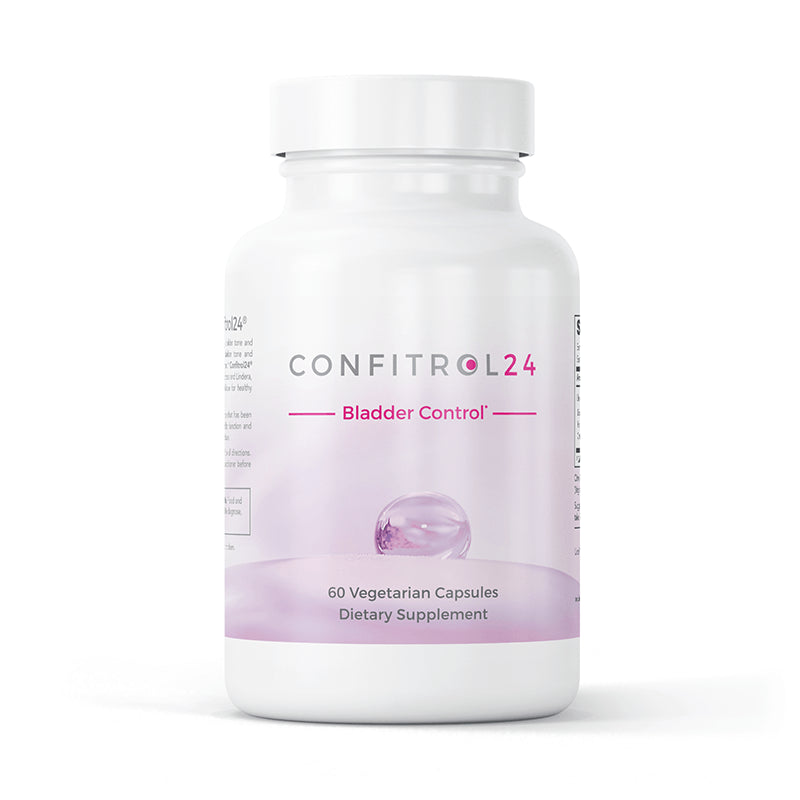
Confitrol24™ Feminine Urinary Support
- Formulated with Urox® to support natural pelvic floor muscle tone
- Designed to assist with daily feminine urinary control and comfort
- Manufactured in a cGMP-compliant, FDA-registered facility
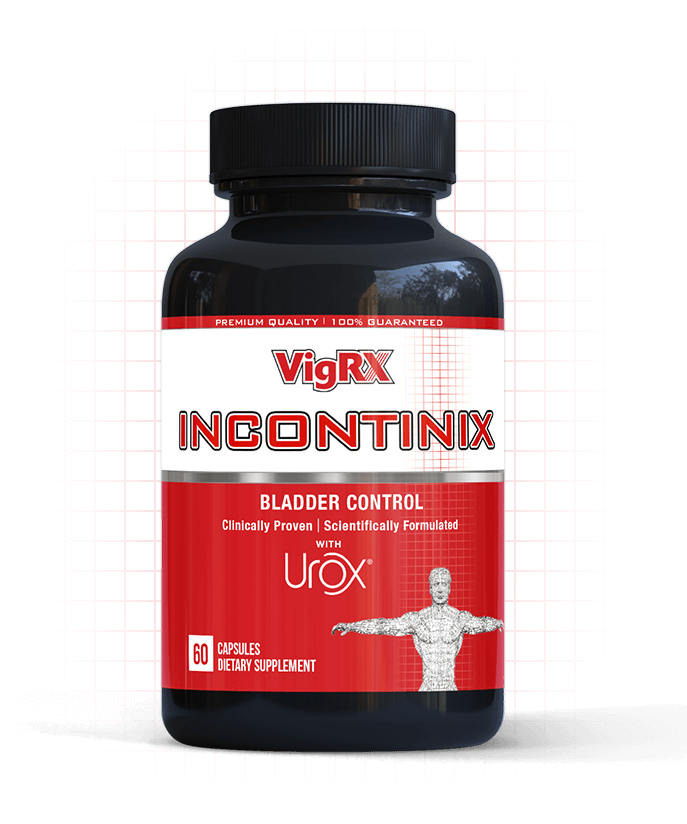
VigRX® Incontinix Male Bladder Control
- Formulated specifically to support male urinary health and baseline control
- Clinically researched ingredients for daily maintenance and comfort
- Manufactured in a cGMP-compliant, FDA-registered facility
Many foods naturally contain high levels of specific amines that can trigger a skin response. These compounds are found in fermented, aged, or preserved items that populate many modern diets. I have learned that even healthy choices like bone broth or avocado can cause issues for some people.
Individuals often report the following common dietary culprits:
- Aged Cheeses: Sharp cheddars and blue varieties contain high concentrations that accumulate quickly in the body.
- Fermented Foods: Sauerkraut and kimchi undergo bacterial aging which produces high amine levels during the process.
- Cured Meats: Pepperoni, salami, and deli products frequently use aging processes that elevate these chemical counts.
Visualizing The Chemical Load Of Everyday Foods
Understanding how different foods stack up helps in managing daily intake levels. This table provides a snapshot of how common items contribute to the overall internal load of these compounds.
| Food Item | Relative Intensity | Typical Impact |
| Aged Parmesan | High | Skin redness |
| Fresh Zucchini | Low | Minimal reaction |
| Smoked Salmon | Moderate | Occasional flushing |
The Science Of Proper Skin Assessment
When the skin acts up, it is easy to assume the problem is poor hygiene or bacterial growth. Real information from the National Library of Medicine suggests that systemic mast cell responses play a larger role than previously understood. I focus on observing the timeline of my own skin changes to see if they follow meal patterns.
The distinction between bacterial congestion and immune responses lies in the duration and location of the spots. Acne usually lasts for days and follows a cycle of formation, maturation, and healing. A chemical reaction often appears within an hour of consumption and disappears shortly after the body processes the compounds.
Practical Steps For Monitoring Individual Reactions
I recommend starting a simple tracking system to identify patterns between what you eat and how your skin appears. Consistency remains the most important factor in finding these connections. Try these steps for two weeks to gain clarity on your unique response profile:
- Keep A Detailed Log: Record everything you eat alongside notes on any redness or bumps that arise later that day.
- Observe Timeframes: Note exactly how long after a meal your skin begins to show signs of irritation or warmth.
- Rotate Your Diet: Remove high amine foods for a short period to see if your skin clears up without using additional products.
Determining Your Personal Tolerance Threshold
Everyone possesses a unique bucket capacity for these compounds. Once your internal bucket overflows, the skin often becomes the primary outlet for the excess. I view this as a natural biological limit rather than a permanent condition.
To calculate your own sensitivity, use this simple formula:
- Baseline Load: Track your current daily consumption of fermented and aged items.
- Elimination Period: Remove these items for five days to establish a neutral baseline for your skin.
- Gradual Reintroduction: Add one high load food back per day while watching for skin changes to find your individual limit.
Research published by the Centers for Disease Control emphasizes that environmental factors can also influence how the body processes these chemicals. External pollutants sometimes act as a co-factor that lowers your ability to handle dietary intake. I always consider air quality and chemical exposure alongside my nutrition logs.
Why Your Acne Treatment Might Be A Histamine Issue
When current routines do not produce results, the logic behind the approach often requires a pivot. If you have tried common soaps and drying gels without success, the issue likely resides beneath the surface. Using the wrong approach can dry out the skin while leaving the underlying cause unaddressed.
This reality requires shifting from topical focus to internal awareness. You can manage these reactions by choosing fresh ingredients over aged ones. This simple change allows the body to maintain balance without triggering unwanted skin responses.
Frequently Asked Questions
Can stress make these skin reactions feel worse?
Emotional stress acts as a major catalyst for releasing internal chemicals that contribute to skin sensitivity. When you experience high pressure, the body often struggles to break down compounds it could normally handle with ease.
This double burden of dietary intake and psychological strain can lead to sudden, unexplained skin flares. Focusing on calming practices helps stabilize the nervous system and indirectly supports clearer skin by reducing the total chemical burden.
Are there specific vitamins that help balance this?
Certain nutrients act as natural buffers in the body, helping to manage how we process environmental and food based compounds. Vitamins B6 and C play roles in supporting the enzymes required to break down these chemicals efficiently.
Focusing on a diet rich in fresh produce rather than processed items provides these necessary cofactors. I have found that prioritizing whole, unprocessed foods naturally keeps my intake of supportive nutrients high while minimizing irritants.
Does the weather influence these skin patterns?
Seasonal shifts or extreme temperature changes can definitely impact how reactive the skin feels. Heat often causes vessels to dilate, which makes redness more visible after consuming foods that trigger a response.
I monitor how my skin feels during transition seasons when my environment changes frequently. Keeping the skin cool and avoiding known trigger foods during high heat days helps maintain equilibrium.
How long does it take for skin to clear once triggers are removed?
Everyone recovers at a different pace depending on how long they have been overloading their system. For many people, a noticeable shift occurs within 48 to 72 hours of removing high amine items.
Patience remains vital during this transition phase as the body works to process existing accumulations. Consistent habits usually yield the best results over a period of two weeks of cleaner eating.
Should I avoid all high protein foods?
Avoiding all protein would be detrimental to your overall health and energy levels. The issue is not protein itself, but rather how the food is processed, aged, or stored before it reaches your plate.
Freshly cooked meats and plant sources are generally safe and necessary for wellness. Simply choosing freshly prepared items over aged or fermented versions allows you to get your required protein without the associated reactions.
The Bottom Line
Addressing Why Your Acne Treatment Might Be A Histamine Issue requires looking at the internal environment rather than just the surface of the skin. By monitoring your food intake and identifying patterns, you can gain control over these persistent reactions.
Start your own food and skin log today to see if specific dietary choices align with your flare ups. Consult a licensed healthcare provider before starting any new wellness routine.
Never stop or change any medication without consulting the provider who recommended it.
Get Your FREE Natural Health Guide!
Subscribe now and receive our exclusive ebook packed with natural health tips, practical wellness advice, and easy lifestyle changes, delivered straight to your inbox.