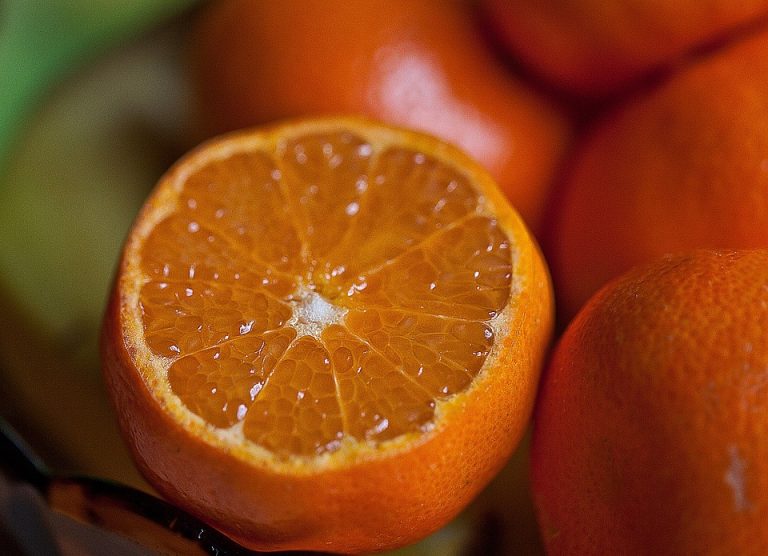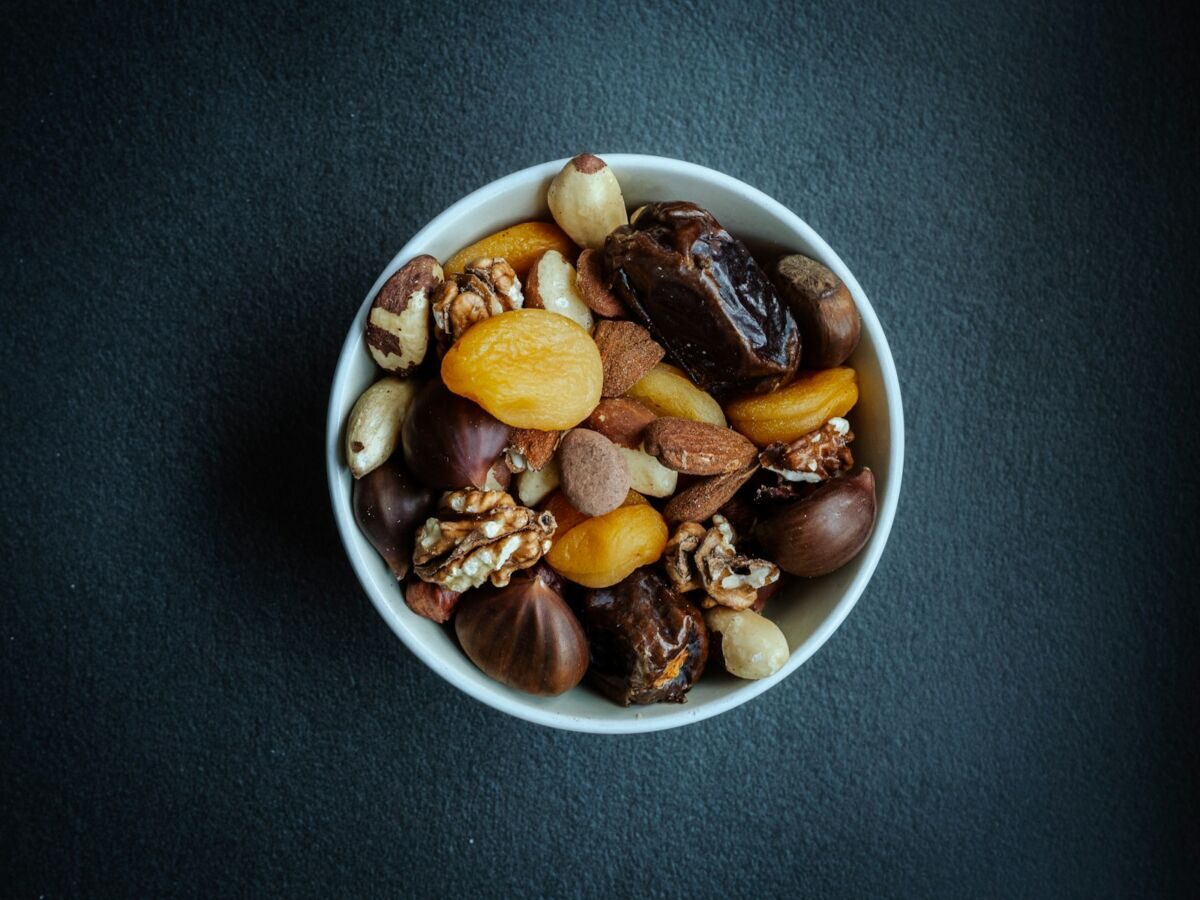

The Collective Experience Of Pairing Fruit With Nuts For Blood Sugar
Many of us reach for a piece of fruit when the mid-afternoon energy slump hits. I often notice that relying on a simple apple or banana alone leaves me feeling hungry again within an hour. This cycle of sudden energy spikes followed by sharp crashes is a frustration shared by many people navigating daily metabolic health.
The practice of combining simple carbohydrates with healthy fats and fiber provides a different result entirely. Instead of a rapid surge in glucose levels, this combination leads to a sustained and predictable release of energy. I find that this small change in my eating habits makes a notable difference in how I feel throughout the afternoon.
Pairing fruit with nuts for blood sugar helps stabilize glucose levels by slowing down the speed at which sugar enters the bloodstream. The healthy fats and plant-based protein in the nuts delay digestion, which prevents the rapid glucose spikes often caused by eating fruit on its own.
Key Takeaways
- Eating whole fruits provides essential vitamins, yet these contain natural sugars that impact glucose levels differently depending on the fiber content.
- Adding roughly one ounce of raw nuts introduces healthy fats that can reduce the glycemic response by approximately 20 to 30 percent in some individuals.
- Consistent glucose management often involves focusing on a balanced ratio of macronutrients to prevent the rapid fluctuations seen in standard modern diets.
Scientific Foundations Of Glycemic Control
The digestive system processes individual food components at different rates. Simple sugars found in fruits like grapes or melon move through the gut quickly. Research from the National Institutes of Health suggests that fiber intake plays a critical role in managing these metabolic outcomes over time.
When you introduce fats, the gastric emptying process slows down. This creates a buffer that allows the body to process glucose more steadily. This physiological shift is the primary reason why pairing fruit with nuts for blood sugar remains a favored strategy among nutrition enthusiasts.
Practical Demonstration Of Macronutrient Balancing
To see how this works, consider the math behind a typical snack. An apple contains about 25 grams of carbohydrates. When eaten alone, this load can create a sharp spike in blood glucose levels.
Adding a handful of almonds or walnuts introduces 14 grams of fat and 6 grams of protein to the snack. This slows the absorption rate significantly. Use this simple calculation to estimate your own intake:
- Select your fruit: Choose high fiber options like berries or pears which contain lower glycemic loads.
- Add a healthy fat source: Aim for one ounce of walnuts, almonds, or macadamia nuts to provide the necessary lipid buffer.
- Measure the response: Observe how you feel three hours later compared to your experience with fruit alone.
| Food Category | Glycemic Impact | Digestive Speed |
|---|---|---|
| Fresh Berries | Low impact | Slow absorption |
| Raw Walnuts | Minimal impact | Slows digestion |
| Dried Fruit | High impact | Fast absorption |
Nutrient Density And Metabolic Stability
Beyond simple glucose regulation, this combination offers a wide array of micronutrients. Nuts provide essential minerals like magnesium, which is a cofactor in hundreds of biochemical reactions. The United States Department of Agriculture indicates that magnesium intake correlates with better long-term metabolic markers.
Fruits contribute antioxidants and hydration. Together, they form a complete package of fats, fiber, and phytonutrients. This balance supports overall health rather than just focusing on a single number on a glucose monitor.
Strategic Selection Of Ingredients
Not all snacks are created equal. Focus on whole, unprocessed foods to get the maximum benefit. High-quality nuts are best when raw or dry-roasted without added sugars or hydrogenated oils.
For fruit, prioritize those with edible skins or high seed content. These varieties naturally contain more fiber. Combining these with dense fats creates a satisfying snack that keeps hunger at bay.
Overcoming Common Dietary Barriers
Cost and convenience often prevent people from choosing better snacks. Buying nuts in bulk can reduce the price significantly. Portioning them into small containers helps you avoid overeating while keeping healthy options accessible during busy days.
Preparation is simple if you keep a small bag of mixed raw nuts in your desk or gym bag. Wash your fruit in advance to ensure it is ready to eat. Small changes in planning lead to large changes in how you feel daily.
Cofactor Interactions In Metabolism
Your body relies on a complex network of vitamins and minerals to process energy efficiently. Nuts contain healthy fats that help with the absorption of fat-soluble vitamins found in fruit. Research from the Pennsylvania State University highlights that fiber consumption is vital for maintaining a healthy gut environment.
These interactions are why eating whole foods is usually superior to relying on isolated supplements. The synergy between different nutrients provides a more complete experience for your metabolism. Always aim for diversity in your food choices to support these internal processes.
Frequently Asked Questions
Can this approach help individuals with chronic blood sugar concerns?
Managing glucose levels is a process that requires consistent attention to food quality and timing. Many individuals find that simple shifts in their eating patterns provide a more stable environment for their metabolism throughout the day.
While this strategy is beneficial for many, it is not a replacement for medical oversight. Always ensure that you discuss your personal dietary goals with a professional who understands your specific health needs.
Are there specific fruits that are better for this combination?
Lower sugar options like raspberries, blackberries, and strawberries work very well for this purpose. These fruits have a high fiber content, which further complements the fat provided by the nuts.
You may also consider apples or pears if you eat the skin, as it contains much of the beneficial fiber. Experimenting with different varieties will help you identify which fruits feel best for your own digestion.
How much fruit and nut consumption is considered appropriate?
Moderation remains a central pillar of any healthy diet. A serving of fruit is generally defined as one medium piece or a cup of berries, while a serving of nuts is typically one ounce or roughly one small handful.
This portion size provides enough fuel without adding excessive caloric density to your day. Most people find that this specific ratio strikes a good balance between satisfaction and sustained energy.
Does the type of nut affect the metabolic outcome?
While most tree nuts offer similar benefits, some varieties provide different profiles of fats and minerals. Walnuts, for example, are a well-known source of plant-based omega-3 fatty acids.
Almonds are rich in vitamin E and magnesium. Regardless of the type you choose, keeping them in their raw or dry-roasted form ensures you avoid unnecessary additives that do not support your goals.
Should I avoid fruit entirely if my glucose levels are sensitive?
Complete elimination of fruit is rarely necessary for most individuals. Instead of removing entire food groups, many people find success by focusing on portion control and the quality of the pairings they choose.
Combining high-fiber fruit with a source of fat often changes the entire impact of the snack. If you have concerns, work with a professional to monitor your personal glucose response to different food combinations.
The Bottom Line
Pairing fruit with nuts for blood sugar is a practical and effective way to sustain your energy throughout the day. By adding healthy fats and fiber to your simple carbohydrates, you create a buffer that supports metabolic stability and long-term vitality.
Choose high-fiber, low-sugar fruits alongside a handful of raw nuts to maximize these benefits. Prioritize whole foods over processed alternatives whenever possible.
Individuals with specific metabolic conditions or those currently taking health-related substances should exercise caution. Never stop or change any medication without consulting the provider who recommended it. Consult a licensed healthcare provider before starting any new wellness routine.
Get Your FREE Natural Health Guide!
Subscribe now and receive our exclusive ebook packed with natural health tips, practical wellness advice, and easy lifestyle changes, delivered straight to your inbox.