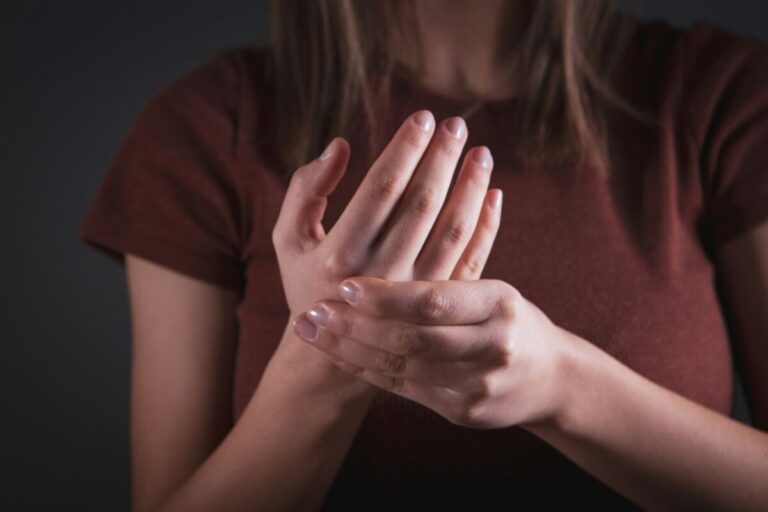
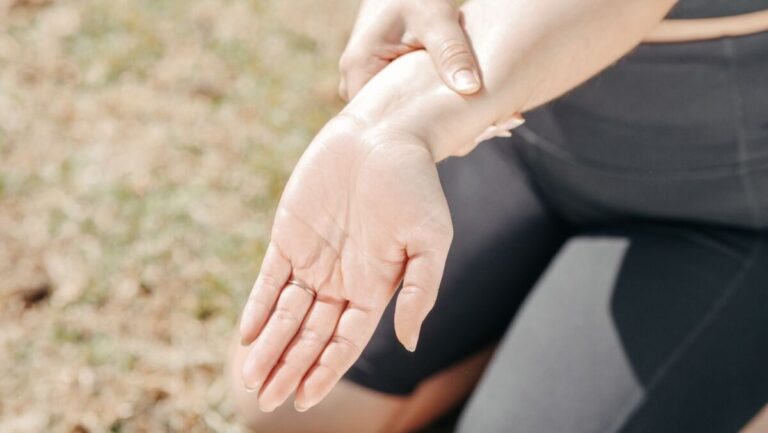
Understanding How Massage For Tendon Circulation Supports Active Recovery
Most of us recognize that familiar sting during a morning run or after a long day at the desk. We often ignore that tight, persistent pull near a joint until it demands our full attention. This sensation serves as a quiet signal from our tissues that they require more support than just passive rest.
Addressing the underlying health of connective tissues often involves moving stagnant fluids and encouraging fresh blood flow to specific areas. Industry research suggests that targeted manual pressure can influence local tissue health in ways that promote structural integrity. Relying on simple, rhythmic motion can bridge the gap between sedentary stiffness and fluid movement.
Massage for tendon circulation helps by promoting blood flow to dense connective tissues which typically receive limited nutrient delivery. Increased vascular activity helps move metabolic waste away from these sites while bringing oxygenated blood to the area to support normal repair processes. This manual approach offers a non-invasive way to maintain tissue suppleness and manage general physical discomfort.
Key Takeaways
- Connective tissues like tendons receive significantly less blood supply than muscle tissue, often requiring manual stimulation to improve localized vascular health.
- Studies published by the National Institutes of Health indicate that pressure application can increase skin and subcutaneous blood flow by up to 20 percent.
- Consistent manual stimulation may reduce local tension levels by encouraging the nervous system to shift from a high stress state to a more relaxed, restorative mode.
Physiological Benefits Of Soft Tissue Work
Our bodies rely on a constant supply of nutrients to maintain the resilience of dense collagen fibers. Unlike muscles, these structures contain fewer blood vessels, which makes them slower to adapt to heavy loads. Bringing fresh resources to these sites is essential for sustaining long term structural health.
Manual techniques act as a pump for the lymphatic system. By applying rhythmic strokes, individuals can move fluid that has collected around tight joints or overworked areas. This reduction in fluid pressure allows for better movement range and less restricted daily function.
Modern research highlights how manual input communicates with the brain. It signals the nervous system to dial back the intensity of the fight or flight response. A calmer internal state allows the body to prioritize internal maintenance and regular tissue nourishment.
Evaluating The Influence Of Physical Pressure
The efficacy of manual work depends on the precision and frequency of the input. Light, sweeping motions often work best for the superficial layers near the skin. Deeper, more static pressure addresses the underlying structures that feel knotted or restricted.
| Method | Target Tissue | Primary Goal |
|---|---|---|
| Effleurage | Surface Layers | Promote Lymphatic Flow |
| Friction | Dense Collagen | Improve Local Supply |
| Compression | Muscle Attachments | Reduce Tension Signals |
Step By Step Application For Targeted Relief
Applying manual pressure requires patience and a focus on consistency rather than intensity. It is not about forcing the tissue to change but rather encouraging it to release holding patterns through gentle, repeated input. Use these steps to guide your routine.
- Identify the area by finding the point of maximum tension without pushing into sharp pain.
- Apply warming oil to reduce skin friction and allow your hands to glide smoothly over the target zone.
- Utilize circular motions around the site to encourage blood movement before moving directly onto the restricted attachment.
- Maintain steady pressure for thirty seconds to one minute to allow the tissues to respond to the stimulus.
- Finish with long strokes moving away from the joint to assist the natural drainage process.
Addressing The Needs Of Dense Connective Tissue
Connective structures function as the biological glue holding our systems together. When we ignore the need for proper blood flow, these parts become brittle or prone to irritation over time. Academic literature from PubMed confirms that mechanical loading and manual stimulation are vital for maintaining the health of these complex fibers.
The role of nutrition cannot be overstated when discussing tissue integrity. Eating adequate protein provides the amino acids necessary for collagen formation, which is the primary building block of tendons. Pairing a diet rich in vitamin C with your manual routine creates a strong foundation for internal recovery.
Hydration also plays a critical role in the viscosity of our internal fluids. When we are dehydrated, our tissues become less elastic and more prone to resistance during movement. Always prioritize fluid intake to ensure that the blood moving through these areas can transport nutrients efficiently.
The Intersection Of Movement And Manual Support
Static habits often lead to restricted blood movement. If you sit for long periods, your tissues become accustomed to a singular, shortened position. Incorporating manual input helps break this cycle by introducing motion to the area.
Pairing your manual routine with gentle range of motion exercises provides the best results. Moving the joint through a comfortable path after applying pressure helps the tissues integrate the new range. This prevents the area from returning to its original, constricted state.
Listen to your body throughout this process. If an area feels overly sensitive, back off the intensity and focus on the surrounding muscles instead. The goal is to create a welcoming environment for natural repair rather than forcing a change.
Scientific Perspectives On Tissue Integrity
Recent studies suggest that external pressure creates a mechanical signaling event in the cells. According to data provided by the University of Edinburgh, these signals can influence how cells express genes related to repair. This suggests that manual input is more than just a surface level comfort measure.
This signaling process depends on the consistency of the input. Occasional, haphazard pressure provides limited benefit. Dedicating five minutes each evening to this practice creates the necessary repetition for your body to notice and respond to the signals.
It is important to remember that progress is gradual. You will likely not see results after a single session. Building resilient tissues takes time, much like building muscle strength through resistance training.
Frequently Asked Questions
How often should one apply manual pressure to tight areas?
Consistency serves as the most important factor in seeing any noticeable change in tissue health. Aiming for daily application is usually more effective than one long, infrequent session during the weekend.
Keep these sessions relatively short to avoid irritating the area or causing unnecessary fatigue in the fingers or hands. Five to ten minutes per day is sufficient to stimulate blood flow and encourage the tissue to shift toward a more relaxed state.
Can this practice be performed using tools?
Using specific tools like wooden rollers or silicone balls can provide a more consistent level of pressure than the hands alone. These tools prove especially useful for hard to reach areas or when your own hands feel fatigued from the effort.
Always maintain control over the intensity by starting with minimal pressure and gradually increasing it as you gauge the response of the tissue. Ensure the tool has a smooth surface to prevent any accidental skin abrasions or bruising during the process.
Is pain during the process a sign of progress?
Pain should never be the goal of your manual routine. Sharp or stinging sensations indicate that you are applying too much pressure or irritating a specific nerve pathway, which can lead to further defensive bracing from the body.
Work within a range of sensation that feels productive rather than intrusive. If you cannot maintain a steady, calm breath while performing the movement, you are likely pushing beyond the point of benefit.
What is the role of temperature in this routine?
Applying heat to the area before you begin can significantly improve the efficacy of your efforts. Warmth helps dilate the vessels and makes the tissues more pliable, which allows for better penetration of your manual input.
You can use a simple warm towel or a heating pad for five minutes prior to your session. This simple step prepares the environment for better blood movement and ensures the tissues are receptive to the upcoming stimulation.
Are there certain areas that should be avoided?
Avoid areas where you can feel a pulse, as these represent major blood vessels or nerve clusters that should not receive direct pressure. You should also steer clear of any region showing signs of acute injury, such as swelling, heat, or bruising.
If you have any doubt about a specific location, stick to the fleshy muscle bellies near the tendon attachment rather than the sensitive structure itself. When in doubt, consult a licensed healthcare provider before starting any new wellness routine.
The Bottom Line
Improving internal flow and tissue health does not require complex equipment or specialized training. Through consistent manual stimulation, you can encourage better blood movement and support the natural needs of your connective structures.
Integrate these simple techniques into your daily wind down routine to see how they affect your overall movement quality. Never stop or change any medication without consulting the provider who recommended it. Consult a licensed healthcare provider before starting any new wellness routine.
Get Your FREE Natural Health Guide!
Subscribe now and receive our exclusive ebook packed with natural health tips, practical wellness advice, and easy lifestyle changes, delivered straight to your inbox.