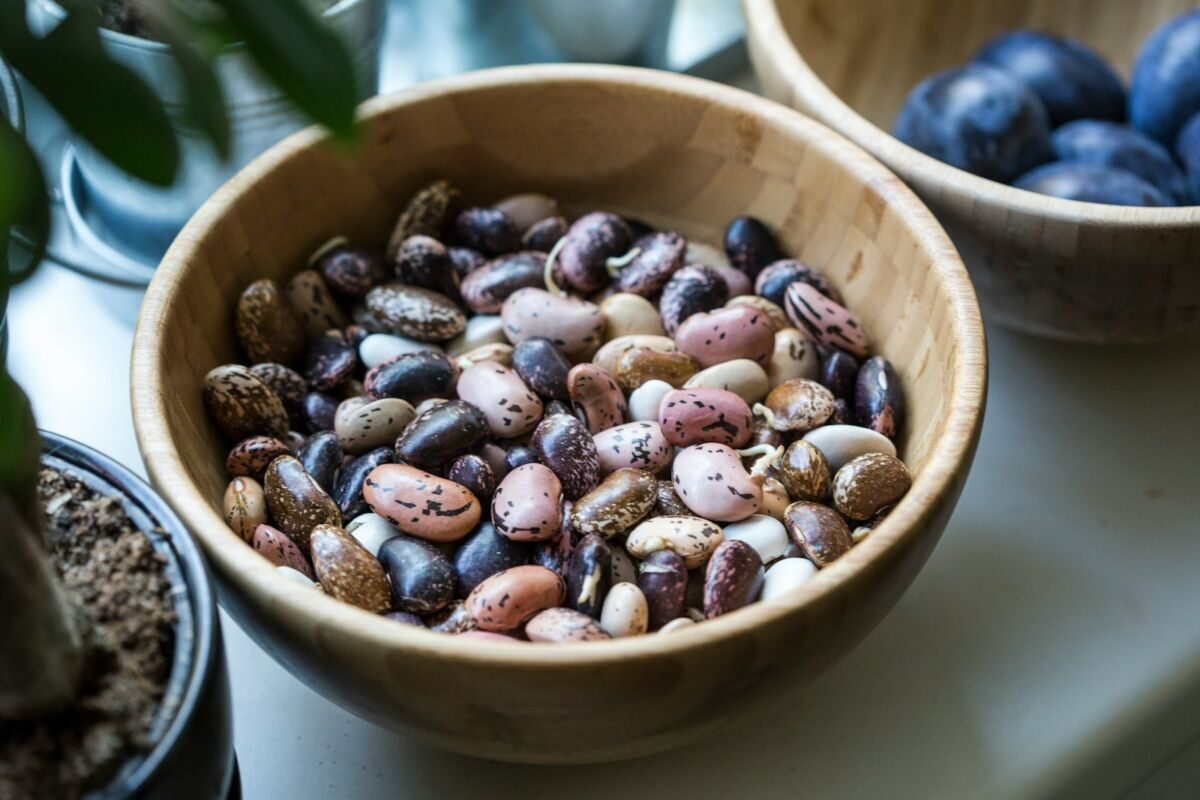

How Including A Daily Beans For Longevity Diet Support Pattern Improves Cellular Health
I often watch individuals struggle to find a single superfood that delivers consistent metabolic results. We frequently look for exotic berries or imported powders to solve our complex health puzzles. The reality is that the most reliable fuel for a long life sits quietly on the bottom shelf of your local grocery store.
Legumes offer a dense nutritional profile that supports stable energy levels throughout the day. These humble seeds provide a perfect balance of fiber and plant proteins without the baggage of saturated fats found in other sources. Consuming these staples regularly provides the foundation for sustained systemic wellness.
A beans for longevity diet consists of daily consumption of various pulses to provide essential fiber and minerals. This approach slows glucose absorption while supporting a diverse gut microbiome to foster healthy aging. Readers often adopt this habit to improve satiety and maintain steady blood sugar levels over time.
Key Takeaways
- Clinical data suggests that individuals consuming one half cup of legumes daily see a significant improvement in fiber intake.
- Research from the United States Department of Agriculture indicates that these foods contribute to heart health through high potassium levels.
- Population studies indicate that high pulse intake correlates with a measurable reduction in markers associated with chronic systemic stress.
Nutritional Composition Of Common Legume Varieties
| Legume Type | Protein Content | Fiber Density |
| Black Beans | High Levels | Very Dense |
| Chickpeas | Moderate Amount | High Volume |
| Lentils | Excellent Source | High Quality |
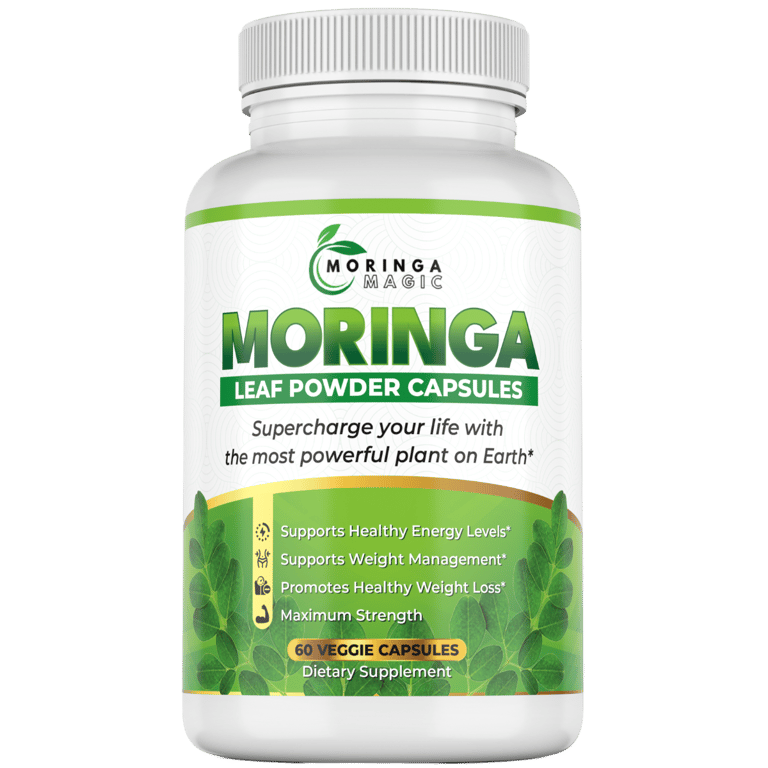
Moringa Magic™ Plant-Based Routine
- Highly bioavailable, plant-based routine designed to provide foundational nutritional support
- Helps your body optimize daily nutrient absorption and address hidden nutrient gaps
- Manufactured in a cGMP-compliant, FDA-registered facility without heavy stimulants
Legumes serve as a core pillar for those seeking a sustainable way to nourish their bodies. The structural makeup of these foods allows for a slow release of energy. This prevents the common crash associated with processed carbohydrate snacks.
Essential Minerals And Micronutrient Profiles
These small items pack a heavy punch regarding essential minerals. Magnesium is a notable component found in almost all varieties. This mineral remains vital for nerve function and muscle relaxation.
Data from the National Institutes of Health demonstrates how magnesium plays a role in bone density and metabolic regulation. Incorporating these foods ensures a steady supply of this critical cofactor. You gain more than just energy from these plant based staples.
Practical Demonstration Of Proper Serving Sizes
Visualizing a healthy serving size helps you integrate these foods into your weekly rhythm. Most experts suggest aiming for three to four servings each week to start. You might begin with a simple measurement to track your intake accurately.
- Start Small: Begin by adding one quarter cup of cooked legumes to your lunch bowl.
- Increase Gradually: Move to one half cup after your digestion feels stable and comfortable.
- Measure Daily: Aim for a total of two cups per week to align with historical wellness data.
This incremental approach prevents potential digestive distress while building a new habit. Your gut needs time to adjust to the increased fiber volume. Patience remains your best tool during the first two weeks of this change.
Building A Sustainable Plant Based Rhythm
Transitioning to a diet rich in these seeds requires planning and pantry preparation. Keeping canned or dried options on hand makes meal assembly quick. You can toss them into salads or soups without much extra effort.
Always rinse canned items to remove excess sodium. This simple action keeps your salt intake within a healthy range. It allows the natural flavor of the beans to shine through in your dishes.
Addressing Common Digestive Adaptation
Many individuals worry about gas or bloating when increasing their intake of fiber rich foods. This reaction is normal as your gut bacteria shift to handle the new variety of nutrients. The discomfort usually fades once your system reaches a new equilibrium.
Research published by the National Library of Medicine highlights the role of fiber in digestive health. Drinking plenty of water supports the movement of these nutrients through your system. Focus on hydration to ensure smooth digestion during your transition period.
Frequently Asked Questions
How do legumes influence metabolic health markers?
The high fiber content in these foods helps slow the rate at which your body absorbs glucose. This steady release prevents sudden spikes in blood sugar levels after a meal.
Improved glucose management reduces the demand on your system to produce insulin. Over time this supports better metabolic function and weight management for most people.
Are canned varieties as effective as dried options?
Canned versions provide the same essential nutrients and fiber as those cooked from a dried state. They offer convenience for individuals with limited time for preparation.
Always choose low sodium options or rinse them thoroughly under running water. This simple step preserves the health benefits without adding unwanted ingredients to your meal.
Can these foods replace meat in my diet?
They provide a robust source of plant protein and iron that helps satisfy your hunger. Many people find they stay full longer when including these items in their meals.
You may choose to pair them with grains to create a complete amino acid profile. This combination creates a satisfying meal that fits into a diverse wellness approach.
What is the best way to cook dried varieties?
Soaking dried seeds overnight helps soften the outer skin and reduces the cooking time required. Drain the soaking water before adding fresh water to the pot for boiling.
Simmering them until soft ensures the starches become digestible. You can add herbs or aromatics to the water to improve the final flavor profile.
Should I worry about anti nutrients in these foods?
Many plants contain compounds that bind to minerals and potentially limit their absorption. Cooking and soaking effectively neutralize these compounds before you consume them.
Proper preparation makes these nutrients bioavailable for your body to use. Most people find that standard cooking techniques are sufficient to prepare these foods for regular consumption.
The Bottom Line
Including a beans for longevity diet pattern offers a simple way to improve your metabolic health and daily energy. These affordable staples provide high amounts of fiber and essential minerals that support long term wellness. Small additions to your weekly menu create a foundation for lasting vitality.
Begin by adding one small serving to your favorite meal this week. Consistency matters more than volume when you start this habit. Never stop or change any medication without consulting the provider who recommended it. Consult a licensed healthcare provider before starting any new wellness routine.
Get Your FREE Natural Health Guide!
Subscribe now and receive our exclusive ebook packed with natural health tips, practical wellness advice, and easy lifestyle changes, delivered straight to your inbox.