After an intense workout, your body craves nutrients to recover and rebuild. As someone who has spent years researching natural health remedies, I’ve often wondered which foods can serve as the best allies in this recovery process. One surprising contender that has consistently made its way into my post-workout routine is the cherry smoothie.

But why cherries? What makes this vibrant fruit a powerhouse for muscle recovery? In this article, we’ll explore the myriad benefits of cherry smoothies, backed by scientific research, practical applications, and real-life anecdotes.
Contents
- The Nutritional Power of Cherries
- Crafting the Perfect Cherry Smoothie
- Real-Life Example: A Runner’s Recovery
- The Myth of Recovery Foods
- Practical Applications: Timing Your Smoothie
- Exploring Other Ingredients
- Cultural Context: Cherries in History
- FAQs About Cherry Smoothies
- Reflecting on Your Recovery
- Medical Disclaimer
- References
The Nutritional Power of Cherries
Cherries are more than just a delicious summer treat. They are packed with nutrients that can play a significant role in muscle recovery.
Rich in Antioxidants
Cherries, particularly tart varieties like Montmorency, are rich in antioxidants such as anthocyanins. These compounds help reduce oxidative stress in the body, which can occur after vigorous exercise. A study published in the Journal of the International Society of Sports Nutrition found that tart cherry juice significantly reduced muscle soreness and improved recovery in athletes after strenuous exercise (1).
Anti-inflammatory Properties
In addition to their antioxidant content, cherries have natural anti-inflammatory properties. Research from the American Journal of Clinical Nutrition indicates that the anti-inflammatory effects of cherries can help reduce muscle pain and inflammation, making them an excellent choice for post-workout recovery (2).
Hydration and Electrolyte Balance
Cherries have a high water content, which aids in hydration. After sweating it out in the gym, replenishing lost fluids is crucial. Moreover, cherries contain small amounts of potassium, an essential electrolyte that helps maintain muscle function and fluid balance.
Crafting the Perfect Cherry Smoothie
Now that we understand the nutritional benefits of cherries, let’s discuss how to create a cherry smoothie that maximizes these advantages. Here’s a simple, yet delicious recipe:
Ingredients:
- 1 cup of frozen tart cherries
- 1 ripe banana (for natural sweetness and potassium)
- 1 cup of spinach (for added nutrients)
- 1 cup of almond milk (or any milk of your choice)
- 1 tablespoon of chia seeds (for omega-3 fatty acids)
- Optional: a scoop of protein powder for an extra protein boost
Instructions:
- Blend Ingredients: Combine all ingredients in a blender.
- Adjust Consistency: If the smoothie is too thick, add more almond milk until you reach your desired consistency.
- Taste Test: Give it a taste—feel free to adjust sweetness with honey or maple syrup if needed.
- Serve Immediately: Pour into a glass and enjoy!
Personal Reflection
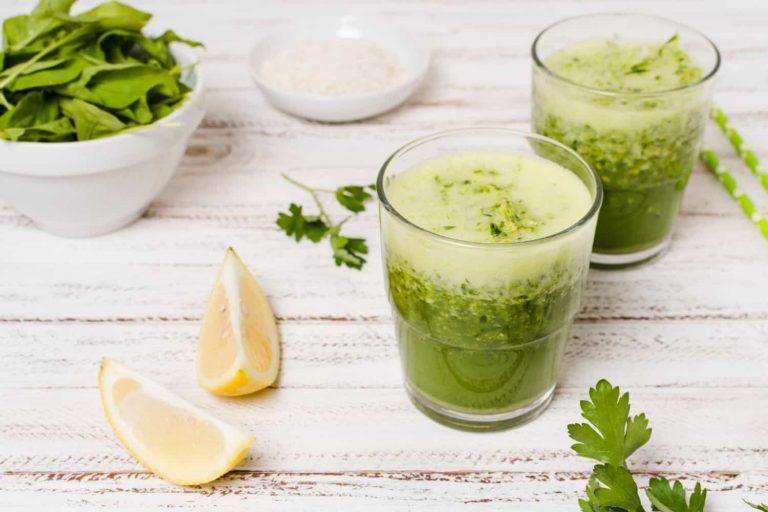
I’ve found that adding a handful of spinach not only boosts the nutrient profile but also makes the smoothie an appealing shade of green. It’s a great way to sneak in some extra vegetables without sacrificing flavor.
Real-Life Example: A Runner’s Recovery
Let’s take the example of Sarah, an avid runner who recently completed a marathon. After the race, she experienced significant muscle soreness. Seeking natural remedies, she turned to cherry smoothies. Within a few days of incorporating them into her post-workout routine, Sarah noticed a marked decrease in muscle soreness and a quicker recovery time.
Her experience aligns with research findings that suggest tart cherry juice can help reduce muscle damage and inflammation.
The Myth of Recovery Foods
It’s easy to fall into the trap of believing that all foods labeled as “healthy” are beneficial for post-workout recovery. However, not all recovery foods are created equal.
Counterpoint: The Sugar Debate
While cherries are naturally sweet, some people might be concerned about the sugar content, particularly if they are monitoring their carbohydrate intake. It’s important to remember that the sugars in cherries come with a host of vitamins, minerals, and fiber.
In moderation, the natural sugars found in fruits like cherries can be a healthy part of a post-workout recovery plan. That said, if you’re following a low-carb diet or have specific dietary restrictions, you might want to adjust the portion size or balance it with other foods.
Practical Applications: Timing Your Smoothie
When should you consume your cherry smoothie for maximum benefits?
Post-Workout Window
Nutritionists often refer to the “anabolic window,” which is the 30 to 60 minutes following a workout when your body is primed to absorb nutrients. Consuming your cherry smoothie during this time can help kickstart recovery.
Pre-Workout Benefits
Interestingly, consuming cherry smoothies before workouts may also provide benefits. A study highlighted in the Journal of the International Society of Sports Nutrition found that tart cherry juice consumed before exercise could improve endurance and reduce muscle fatigue (3).
Exploring Other Ingredients
While cherries are the star of the show, don’t hesitate to experiment with other ingredients to enhance your smoothie’s nutritional profile.
Superfood Additions
- Spinach or Kale: Packed with vitamins A, C, and K, leafy greens are a great addition.
- Greek Yogurt: For an extra protein boost and creaminess.
- Oats: Adding oats can give your smoothie a hearty texture and provide complex carbohydrates for sustained energy.
Cautionary Notes
While it’s tempting to throw in every nutrient-dense ingredient, be mindful of balancing flavors and textures. Some combinations can become overwhelming or unpalatable.
Cultural Context: Cherries in History
Cherries have a long-standing presence in various cultures. In ancient Greece, they were associated with immortality. In Japan, cherry blossoms symbolize the transient nature of life, celebrated during Hanami festivals.
Their rich history adds an interesting layer to their consumption today. As we sip our cherry smoothies, we partake in a tradition that spans centuries while benefiting from their health properties.
FAQs About Cherry Smoothies
1. Can I use fresh cherries instead of frozen?
Absolutely! Fresh cherries can be used, but frozen cherries often provide a thicker texture and are convenient for quick smoothies.
2. Are there any side effects to drinking cherry smoothies?
For most people, cherry smoothies are safe. However, if you’re allergic to cherries or have dietary restrictions, consult a healthcare provider.
3. How often should I drink cherry smoothies for recovery?
Incorporating cherry smoothies into your post-workout routine a few times a week can be beneficial, but listen to your body and adjust based on your dietary needs.
4. Can I make a cherry smoothie ahead of time?
While fresh smoothies are best enjoyed immediately, you can prepare the ingredients ahead of time and store them in the freezer. Just blend when you’re ready to drink!
5. What’s the best way to store leftover smoothie?
If you have leftover smoothie, store it in an airtight container in the refrigerator. Consume it within 24 hours for the best taste and nutritional value.
Reflecting on Your Recovery
As you explore the world of post-workout nutrition, consider integrating cherry smoothies into your routine. The benefits are backed by research, and their versatility makes them an enjoyable option.
The vibrant color, sweet taste, and nutritional punch of cherries can serve as a delightful reminder that recovery doesn’t have to be bland or boring.
Medical Disclaimer
This article is for educational purposes only and does not replace professional medical guidance. Always speak with a qualified healthcare provider before making changes to your health routine.
References
-
Kuehn, B. M. (2010). “Tart Cherry Juice Helps Athletes Recover.” Journal of the International Society of Sports Nutrition. Link
-
Howatson, G., & van Someren, K. A. (2008). “The effect of tart cherry juice on recovery from exercise-induced muscle damage.” American Journal of Clinical Nutrition. Link
-
Bell, P. G., et al. (2014). “Tart cherry juice reduces muscle pain during recovery from exercise.” Journal of the International Society of Sports Nutrition. Link
In closing, cherry smoothies offer a delicious and effective way to support your recovery after a workout. With their rich nutritional profile and delightful flavor, they might just become your new go-to post-exercise treat.
Get Your FREE Natural Health Guide!
Subscribe now and receive our exclusive ebook packed with natural health tips, practical wellness advice, and easy lifestyle changes, delivered straight to your inbox.