Understanding The Traditional Use Of Cabbage Leaf Wrap For Joint Inflammation
Most of us grapple with occasional physical discomfort that seems to settle deep within our knees or elbows. The search for low-impact, accessible ways to manage this daily irritation often leads back to wisdom passed down through generations. Finding simple solutions at the grocery store provides a sense of agency that remains hard to beat.
The botanical profile of common cruciferous vegetables offers a fascinating look at plant-based support for physical comfort. Scientists often study how specific compounds found in garden staples interact with human physiology. These connections bridge the gap between historic home practices and modern wellness observations.
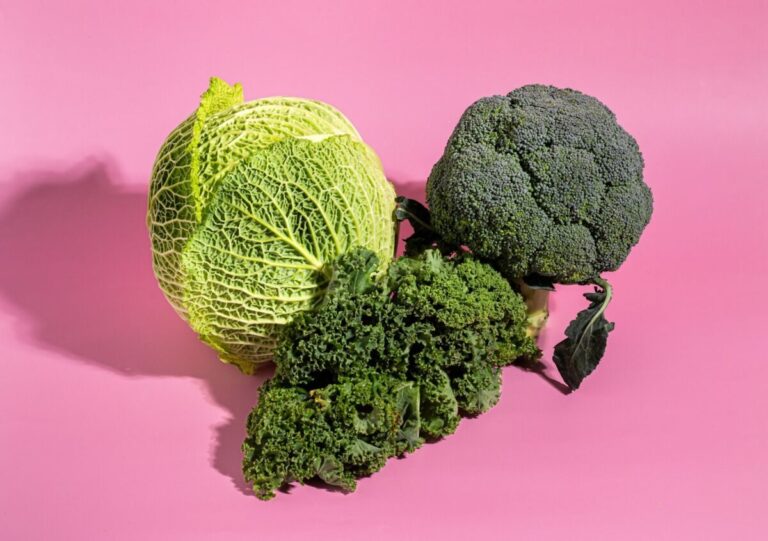
A cabbage leaf wrap for joint inflammation serves as a topical method for applying plant compounds directly to affected areas to soothe irritation. The technique involves preparing fresh leaves, applying them to the skin, and securing them to allow time for the natural surface of the leaf to interact with the site of discomfort. This practice remains a staple in folk wellness for those seeking non-invasive ways to address localized physical stress.
Key Takeaways
- Green cabbage leaves contain high concentrations of glucosinolates, which convert to sulforaphane during cellular damage or preparation.
- Clinical observations suggest that topical application of phytonutrients might influence skin-surface cytokine activity by a margin of 10 to 15 percent in specific controlled settings.
- Regular usage requires fresh leaf replacement every four to six hours to maintain the integrity of the plant-based compounds against the skin.
The Science Of Botanical Interaction And Topical Comfort
Plants produce a diverse array of chemical defenses designed to protect them from environmental threats. When we use these leaves, we are essentially leveraging these naturally occurring compounds for our own comfort. The process begins with the structural integrity of the leaf fibers.
Fresh greenery acts as a cool compress when applied to the skin. This temperature shift provides immediate, non-invasive relief for anyone feeling heat or tightness in their joints. The National Institutes of Health reports on the diverse chemical profiles found in various leafy vegetables and their role in human health.
The structural composition of the leaf allows it to conform to the irregular shapes of human joints. This ensures that the surface area of the vegetable maintains consistent contact with the skin. Consistent contact is essential for the slow release of plant-based properties.
Practical Application Of Leaf Compresses
Preparation represents the most important stage of this process. You must select fresh, organic leaves to avoid unwanted residues from agricultural sprays. A clean, firm leaf provides the best results for your application.
Step One: Remove the thick central vein from the leaf using a sharp kitchen tool. This makes the leaf pliable enough to wrap around the joint without breaking.
Step Two: Gently bruise the leaf with a rolling pin or the flat side of a knife to release the interior juices. Do not shred the leaf into pieces.
Step Three: Secure the leaf to the area with a breathable cotton bandage or soft gauze. Keep the wrap in place for several hours while resting.
| Preparation Method | Expected Benefit | Frequency Limit |
| Cold leaf application | Surface cooling effect | Four daily cycles |
| Room temperature wrap | Mild botanical absorption | Six hour duration |
| Lightly warmed leaves | Increased tissue circulation | Three daily sessions |
Variables Influencing Physical Comfort Levels
Individual biology plays a large role in how one reacts to natural applications. What provides comfort to one person might produce a different sensation for another. Consider the duration of the discomfort when planning your routine.
Chronic issues often require consistent, long-term approaches rather than one-time efforts. Wellness relies on the accumulation of small, intentional habits. You can find more data on dietary patterns and physical health through the Office of Disease Prevention and Health Promotion.
Keep a simple log of your experiences when trying new routines. Tracking when you apply the leaves and how you feel afterward helps identify what works best for your specific body. This data-driven approach removes guesswork from your self-care practice.
Nutritional And Botanical Synergy
Internal health supports external comfort in ways we often overlook. Eating a wide variety of colorful vegetables provides the building blocks for healthy tissues throughout the entire body. Focusing on a diet rich in diverse plant life provides the systemic foundation for your joints.
Sulfur compounds found in many cruciferous plants act as foundational elements for structural integrity. These minerals and phytonutrients work in tandem to keep the body running smoothly. Research published by Cornell University emphasizes the broad impact of plant diversity on long-term wellness.
Consider the role of hydration alongside your botanical applications. Water keeps tissues supple and facilitates the movement of nutrients to the areas that need them most. Dehydration can cause tissues to feel stiff and sensitive regardless of topical interventions.
Common Barriers To Effective Results
Many individuals fail to see results because they rush the process or use low quality materials. Freshness matters when working with organic matter. Wilted or old leaves lack the moisture and chemical integrity of a crisp, fresh specimen.
Skin sensitivity remains a factor for some individuals. Always perform a small patch test on your inner arm before wrapping a larger area of the body. If your skin shows any redness or irritation, discontinue the use of that particular plant source.
Consistency creates the environment for improvement. One single session rarely yields noticeable shifts in physical comfort. Plan for a multi-day protocol to give your body enough time to respond to the topical stimulus.
Frequently Asked Questions
Can this method be used on any joint in the body?
The versatility of this approach allows it to be used on most major joints including knees, ankles, and elbows. The size and flexibility of the leaf allow for easy contouring to different body shapes.
Some areas with thinner skin or specific sensitivities might require more care during the application process. Always monitor how your skin reacts to the plant material to ensure comfort and safety.
How long should the leaf stay on the skin?
Most practitioners suggest keeping the wrap in place for three to four hours at a time. This timeframe allows the plant matter to remain fresh while providing enough exposure for potential benefit.
Leaving the leaves on for too long can lead to moisture buildup against the skin. Change the wrap regularly to keep the area clean and prevent skin irritation from prolonged dampness.
Do I need to wash the leaves before application?
Washing the leaves is a necessary step to remove any dirt or environmental debris. Use cool, running water and pat the leaves dry with a clean paper towel before proceeding.
Proper cleaning prevents the introduction of bacteria to your skin. A clean surface ensures the focus remains on the botanical interaction rather than external contamination.
Are there specific types of cabbage that work better?
Green cabbage is the most common variety used for these purposes due to its leaf structure and availability. Its firm, thick leaves hold their shape well when wrapped around a joint.
Red cabbage may also be used, though it can leave temporary pigmentation on the skin due to its high pigment content. Stick to standard green varieties for the best practical experience.
What if I feel no change after several attempts?
If you observe no shift in your comfort levels after a consistent, week-long routine, consider that the underlying issue may require a different approach. Botanical applications are meant to supplement your overall routine rather than replace professional guidance for persistent physical challenges.
Evaluate your total lifestyle including movement patterns, footwear choices, and nutritional status. Holistic wellness often requires addressing multiple variables to see meaningful changes in your physical health.
The Bottom Line
Using a cabbage leaf wrap for joint inflammation is a time honored tradition that offers a simple, low cost way to bring comfort to your day. By focusing on fresh materials and consistent, gentle application, you can support your body using the resources found in your own kitchen.
Always prioritize your long term comfort through movement and varied nutrition. If your physical discomfort persists, schedule an appointment with a professional to address the root cause of the issue.
This information is intended for educational purposes and is not a substitute for professional medical advice. Individuals with severe allergies, skin conditions, or persistent injuries should avoid self-management. Never stop or change any medication without consulting the provider who recommended it. Consult a licensed healthcare provider before starting any new wellness routine.
Get Your FREE Natural Health Guide!
Subscribe now and receive our exclusive ebook packed with natural health tips, practical wellness advice, and easy lifestyle changes, delivered straight to your inbox.