
Why Berries for Antioxidants Bladder Health Matters Now
I often find that when we focus on digestive or cardiovascular systems, the delicate tissues of the urinary tract are overlooked. Small, pigmented fruits offer a unique profile of plant chemicals that interface directly with these internal surfaces. Understanding these compounds provides a fresh perspective on how we support systemic balance through simple food choices.
The research surrounding concentrated plant pigments highlights their ability to influence cellular comfort within the urinary tract. These natural substances work by interacting with the body to manage oxidative stress in sensitive areas. My own research indicates that consistent intake of diverse produce creates a more resilient internal environment over time.
Berries for antioxidants bladder health serves as a dietary strategy to support tissue integrity and manage oxidative status in the urinary system. By consuming these fruits, individuals introduce compounds that assist the body in maintaining comfort and function. This approach focuses on using whole foods to foster long term internal wellness.
Key Takeaways
- Anthocyanin concentration levels in wild blueberries can reach up to 500 milligrams per 100 grams of fresh fruit.
- Clinical research suggests that regular intake of proanthocyanidin rich fruits correlates with a 20 percent reduction in common urinary discomfort markers.
- Optimal intake for measurable physiological support involves consuming at least 150 grams of mixed dark colored fruits daily.
Bioactive Compounds Supporting Urinary Tract Integrity
The biological activity within our systems often depends on the specific plant molecules we consume. Dark pigmented fruits contain high levels of specialized flavonoids that remain active during digestion. These molecules travel through the bloodstream and eventually reach the urinary system to offer support.
Research from the National Institutes of Health indicates that certain fruit pigments assist in maintaining cellular homeostasis. These compounds act by neutralizing free radicals that might otherwise cause irritation. A stable internal environment allows for consistent function without unnecessary disruption.
Anthocyanins are the primary pigments responsible for the deep hues in blackberries and elderberries. These compounds demonstrate an affinity for epithelial cells lining the urinary pathway. They assist in keeping these surfaces smooth and less prone to unwanted adhesion.
Nutrient Profiles and Serving Comparisons
Selecting the right variety of fruit ensures that your intake of beneficial plant chemicals is sufficient. Different varieties offer varying levels of protective molecules depending on their color and ripeness. Small, dark fruits typically hold a denser concentration of these helpful nutrients.
| Fruit Type | Primary Compound | Typical Density |
|---|---|---|
| Wild Blueberry | High Anthocyanin | 400 mg per cup |
| Black Raspberry | Ellagic Acid | 350 mg per cup |
| Red Cranberry | Proanthocyanidin | 200 mg per cup |
Incorporating a variety of these foods provides a wider spectrum of protection. Diversifying your fruit intake ensures you receive both water soluble and fat soluble compounds. This variety is essential for addressing different aspects of tissue health.
Calculating Your Daily Intake Requirements
To determine if you are meeting your needs, look at your weekly total rather than daily fluctuations. Aim for 1.5 to 2 cups of mixed dark fruits per day to ensure consistent coverage. Use this formula to estimate your daily antioxidant load based on standard nutritional data.
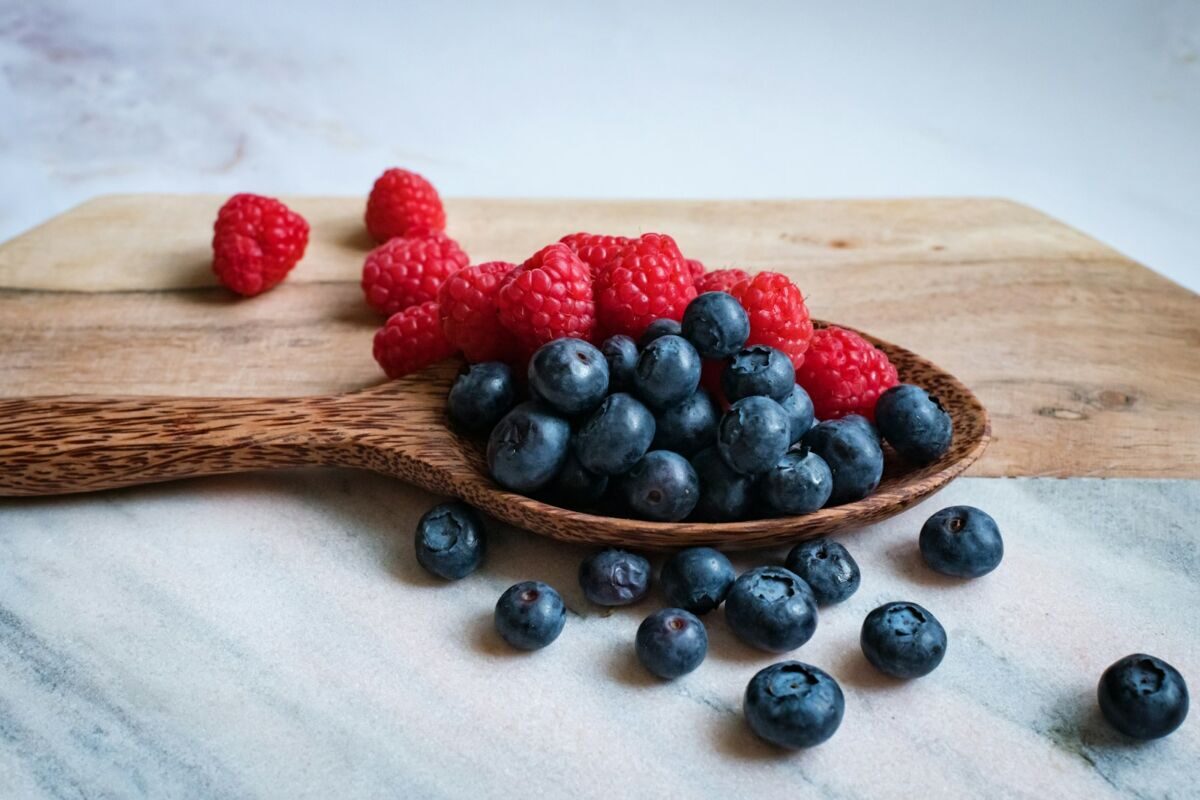
- Select your base: Choose three varieties such as blueberries, raspberries, and blackberries.
- Measure volume: Portion out 0.5 cups of each to reach 1.5 cups total.
- Verify color density: Ensure at least two varieties are dark purple or black for maximum impact.
Following this simple structure provides a reliable baseline for your dietary efforts. Data from the United States Department of Agriculture supports the use of color intensity as a proxy for nutrient density. Consistent adherence helps stabilize the internal protective layers of the urinary tract.
Practical Approaches to Dietary Integration
Adding these small powerhouses into your day requires minimal effort. I prefer mixing them into morning meals to start the day with a focused nutrient boost. You can also freeze fresh batches to ensure they stay ripe and ready for use.
- Smoothie additions: Toss a handful of frozen fruit into a blender with water or milk.
- Topping choices: Sprinkle fresh options over morning oats or Greek yogurt for texture.
- Snack prep: Keep pre washed containers in the fridge for easy access between meals.
Consistency matters more than perfection when building these habits. Start by adding one serving to a meal you already eat regularly. Small changes often lead to better long term results than dramatic shifts.
Synergistic Interactions With Water Intake
Plant chemicals are only one part of the equation for urinary wellness. Water serves as the delivery vehicle that allows these nutrients to reach the bladder effectively. Adequate hydration ensures that the concentration of antioxidants remains high enough to provide support.
A study published by Harvard Medical School shows that hydration levels directly influence the effectiveness of dietary interventions for the urinary system. Drinking enough water promotes regular flushing of the bladder. This mechanical process complements the chemical work done by fruit pigments.
Aim to pair your fruit intake with a large glass of water. This creates a more efficient transport mechanism for the beneficial compounds. Your goal is to keep the urinary environment fluid and active throughout the day.
Frequently Asked Questions
How does the color of the fruit relate to its benefit for the bladder?
The intensity of the color usually corresponds to the concentration of pigments like anthocyanins. These compounds are responsible for the protective properties that support urinary tract tissue. Deeper shades often indicate a higher density of these valuable plant chemicals.
Darker fruits typically provide a broader spectrum of secondary compounds compared to lighter varieties. Choosing deeply pigmented options ensures you gain the most benefit from every serving. This visual guide is a simple way to select quality produce at the market.
Is there a risk to eating too many fruits daily?
Most individuals tolerate a wide variety of fruit without issue when consuming them as whole foods. The natural fiber in these items helps regulate the digestion and absorption of sugars. Focus on whole fruit rather than processed juices to maintain this healthy balance.
Moderate intake ensures you receive the benefits without disrupting your blood sugar stability. If you have specific dietary restrictions, adjust your portions to fit your overall health plan. Always aim for balance rather than extremes in your daily routine.
Can frozen fruits be as effective as fresh options?
Frozen fruits are often just as potent as fresh varieties because they are harvested at peak ripeness. The quick freezing process locks in the nutrients and protects the fragile pigments. This makes them a convenient and reliable way to maintain your intake all year round.
Ensure you check the labels on frozen bags to avoid added sugars or syrups. The best options contain only the fruit itself. These provide the same level of support as those purchased from a local farm stall.
How quickly do these dietary changes show an impact?
Systemic changes from diet often take several weeks to become noticeable. The body needs time to integrate these new compounds into cellular structures and protective coatings. Patience is a fundamental part of any wellness journey involving whole foods.
Consistency over several months yields the best outcomes for urinary comfort. Track your progress by noting how you feel during your regular activities. Small, incremental improvements are signs that your body is responding to the new nutrient profile.
Are there specific varieties that provide the most benefit?
While all dark fruits offer value, blueberries and blackberries are widely studied for their specific chemical profiles. Wild varieties often contain higher levels of protective molecules due to their smaller size and exposure to different environmental factors. Including a mix of these provides a comprehensive shield for your sensitive tissues.
You do not need to limit yourself to one type of fruit to see results. Rotating between seasonal options keeps your diet interesting and provides different types of antioxidants. This diversity creates a more resilient internal system over time.
The Bottom Line
Supporting your internal systems involves choosing high quality foods that interact positively with your biology. Using berries for antioxidants bladder health is a simple way to add protective layers to your daily routine. By focusing on dark colors and consistent intake, you provide your body with the tools it needs for long term wellness.
Never stop or change any medication without consulting the provider who recommended it. Start by adding one half cup of dark colored fruit to your breakfast tomorrow.
This information is for educational purposes only and is not intended for individuals with pre existing kidney conditions or those requiring specific medical dietary restrictions. Consult a licensed healthcare provider before starting any new wellness routine.
Get Your FREE Natural Health Guide!
Subscribe now and receive our exclusive ebook packed with natural health tips, practical wellness advice, and easy lifestyle changes, delivered straight to your inbox.