
In our fast-paced world, stress often feels like an unwelcome companion. Whether it’s deadlines at work, family responsibilities, or the never-ending cycle of daily tasks, many of us are searching for effective ways to unwind. Interestingly, the foods we consume can play a significant role in how we manage stress. After years of exploring natural health remedies and their impacts, I’ve discovered that certain foods can genuinely contribute to a calmer mind and body. Let’s delve into eight of these foods, backed by science and personal experience.
Contents
- 1. Blueberries: Tiny Powerhouses of Calm
- 2. Dark Chocolate: A Sweet Escape
- 3. Green Leafy Vegetables: Nature’s Stress Relievers
- 4. Fatty Fish: Omega-3s for Mental Clarity
- 5. Fermented Foods: Gut-Brain Connection
- 6. Nuts and Seeds: Crunchy Calm
- 7. Herbal Teas: Sip Your Stress Away
- 8. Avocado: Creamy Calmness
- FAQs
- Conclusion
- References
1. Blueberries: Tiny Powerhouses of Calm
Blueberries are often dubbed superfoods, but what makes them particularly interesting in the realm of stress relief? These small berries are rich in antioxidants, particularly flavonoids, which have been linked to improved mental health. A study published in the Journal of Nutritional Biochemistry highlighted that regular consumption of blueberries could reduce anxiety and improve mood.
Practical Application
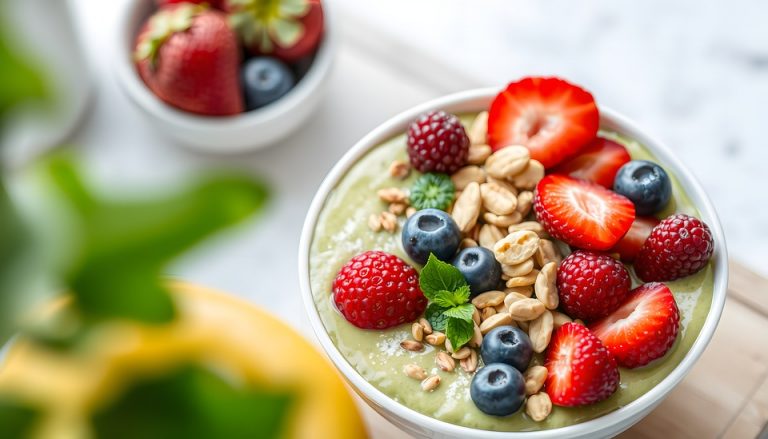
Incorporating blueberries into your diet can be as simple as tossing them into your morning oatmeal or yogurt. I often blend them into smoothies, paired with spinach and a splash of almond milk. Not only is it delicious, but I’ve also noticed a slight lift in my mood after indulging in this vibrant drink.
Common Mistakes
One common misconception is that all berries are created equal. While strawberries and raspberries are nutritious, they lack the specific flavonoids found in blueberries that are particularly effective for stress relief.
2. Dark Chocolate: A Sweet Escape
When it comes to indulgence, dark chocolate often tops the list. But it’s not just a guilty pleasure; it also offers genuine health benefits. Dark chocolate contains compounds called polyphenols, which have been shown to improve mood and cognitive function. A study from The Journal of Psychopharmacology noted that consuming dark chocolate can lower levels of cortisol, the stress hormone.
Practical Application
Choosing the right type of dark chocolate is crucial. Aim for varieties that contain at least 70% cocoa. A small square can be a delightful treat after lunch or dinner. Personally, I’ve found that savoring a piece while reading or enjoying a quiet moment can transform my day.
Caveats
However, moderation is key. Overindulging can lead to unwanted weight gain and negate the benefits. Also, not all dark chocolate is created equal; some brands add excessive sugar, which can counteract the health benefits.
3. Green Leafy Vegetables: Nature’s Stress Relievers
Spinach, kale, and Swiss chard are more than just colorful additions to our plates; they are packed with magnesium, a mineral known for its calming properties. Magnesium helps regulate cortisol levels and can improve sleep quality. According to research published in Nutrients, diets rich in magnesium can significantly reduce symptoms of anxiety.
Practical Application
Salads are an obvious choice, but I often sauté spinach and kale with garlic and olive oil for a quick side dish. This simple preparation not only enhances flavor but also retains the benefits of these greens.
Observational Insight
While many people are aware of the benefits of leafy greens, they often overlook the importance of variety. Incorporating different types—like arugula or collard greens—can provide a broader range of nutrients.
4. Fatty Fish: Omega-3s for Mental Clarity
Fatty fish like salmon, mackerel, and sardines are renowned for their high omega-3 fatty acid content. These healthy fats play a vital role in brain health and have been found to help reduce anxiety and depression symptoms. The American Journal of Psychiatry published a study indicating that individuals with higher omega-3 levels reported lower levels of anxiety.
Practical Application
I often grill salmon with a squeeze of lemon and serve it with a side of quinoa. This not only makes for a nutritious meal but also helps me feel more balanced and less stressed afterward.
Common Misconceptions
Some people believe that plant-based sources of omega-3, like flaxseeds and chia seeds, can fully replace fish. While they are beneficial, the omega-3s in fish (DHA and EPA) are more readily utilized by our bodies compared to the ALA found in plant sources.
5. Fermented Foods: Gut-Brain Connection
The gut-brain axis is a fascinating area of research. Foods like yogurt, kimchi, and sauerkraut are rich in probiotics, which can enhance gut health and, in turn, positively influence mental health. A study in Psychiatry Research found that individuals consuming fermented foods reported lower levels of social anxiety.
Practical Application
Incorporating fermented foods into your diet can be as easy as adding a dollop of yogurt to your breakfast or enjoying kimchi as a side with dinner. I’ve found that a daily serving of yogurt with some honey and nuts not only boosts my gut health but also enhances my mood.
Cautionary Notes
While probiotics can be beneficial, it’s essential to choose products that contain live cultures. Many commercial yogurts are loaded with sugars, which can counteract their benefits.
6. Nuts and Seeds: Crunchy Calm
Almonds, walnuts, and pumpkin seeds are more than just snacks; they’re packed with nutrients that support mental health. These foods are high in vitamin E, magnesium, and healthy fats. Research from The Journal of Nutrition suggests that a diet rich in nuts may reduce the risk of depression.
Practical Application
I often keep a mix of nuts and seeds on hand for a quick snack. They’re easy to grab when I need a little pick-me-up during a busy day. A handful of almonds or a sprinkle of pumpkin seeds on my salad adds both crunch and nutrition.
Common Pitfalls
It’s easy to overindulge in nuts, as they are calorie-dense. A small handful is generally sufficient to reap the benefits without going overboard.
7. Herbal Teas: Sip Your Stress Away
Herbal teas like chamomile, lavender, and peppermint have been used for centuries as natural remedies for relaxation. Chamomile, in particular, has been shown to have calming effects, as noted in a study published in The Journal of Clinical Psychopharmacology.
Practical Application
I often brew a cup of chamomile tea before bed. The ritual itself becomes a calming experience, signaling my body that it’s time to unwind. Adding a touch of honey enhances the flavor and adds a soothing sweetness.
Observational Insight
While many people enjoy herbal teas, they often overlook the importance of the brewing process. Allowing the tea to steep for the recommended time can significantly enhance its flavor and effects.
8. Avocado: Creamy Calmness
Avocados are not just trendy; they are also nutrient-dense. They provide healthy fats, fiber, and a variety of vitamins and minerals, including folate, which is essential for brain health. A study published in Frontiers in Psychology found that avocados might reduce anxiety and improve overall mental well-being.
Practical Application
Whether on toast, in salads, or blended into smoothies, avocados can be versatile. I love making guacamole as a dip for veggies; it’s delicious and packed with nutrients.
Cautionary Notes
Despite their health benefits, avocados are high in calories. Moderation is key to enjoying their creamy goodness without overdoing it.
FAQs
1. Can I combine these foods for better results?
Absolutely! In fact, creating meals that incorporate multiple calming foods can enhance their benefits. For example, a salad with spinach, walnuts, and blueberries can be both delicious and stress-relieving.
2. How long does it take to feel the effects of these foods?
The effects can vary from person to person. Some may notice improvements in mood and stress levels within a few days, while others might take weeks of consistent consumption.
3. Are there any foods I should avoid to reduce stress?
Processed foods, high-sugar snacks, and excessive caffeine can exacerbate stress and anxiety. It’s best to limit these in your diet.
4. Can I rely solely on these foods for stress relief?
While these foods can significantly contribute to a calmer mind and body, they should be part of a holistic approach that includes regular exercise, adequate sleep, and mindfulness practices.
5. Are there any side effects to be aware of?
Most of these foods are safe for most people; however, those with specific allergies or dietary restrictions should exercise caution.
Conclusion
Navigating the intricate relationship between food and mental health is an evolving journey. While these eight foods can serve as valuable allies in managing stress, it’s essential to recognize that individual responses may vary. As I’ve learned from my experiences, combining these foods with other healthy lifestyle choices can lead to a more balanced and peaceful existence.
In a world where stress seems inevitable, turning to nature’s pantry may offer a path toward relaxation. By being mindful of what we consume, we can foster a calmer mind and body, one meal at a time.
This article is for educational purposes only and does not replace professional medical guidance. Always speak with a qualified healthcare provider before making changes to your health routine.
References
- Journal of Nutritional Biochemistry – https://www.sciencedirect.com/science/article/pii/S0955286317301651
- The Journal of Psychopharmacology – https://journals.sagepub.com/doi/10.1177/0269881118764101
- American Journal of Psychiatry – https://ajp.psychiatryonline.org/doi/full/10.1176/appi.ajp.2019.19030351
- Nutrients – https://www.mdpi.com/2072-6643/9/6/649
- Psychiatry Research – https://www.sciencedirect.com/science/article/pii/S0165178118300197
- Frontiers in Psychology – https://www.frontiersin.org/articles/10.3389/fpsyg.2019.01130/full
By weaving in personal observations along with scientific studies, this article aims to provide a comprehensive look at how specific foods can help alleviate stress and promote a calmer mind and body.
Get Your FREE Natural Health Guide!
Subscribe now and receive our exclusive ebook packed with natural health tips, practical wellness advice, and easy lifestyle changes, delivered straight to your inbox.