Cumin, a spice often overlooked in discussions about health and wellness, has recently gained attention for its potential role in boosting testosterone levels. As someone who has spent years researching natural health remedies, I’ve often found myself intrigued by how everyday ingredients can impact our bodies. The connection between cumin and testosterone is a fascinating area that warrants exploration, especially for those interested in natural ways to enhance their health.



Contents
- The Testosterone Connection: What’s the Big Deal?
- Cumin: A Brief Overview
- The Science Behind Cumin and Testosterone
- Practical Applications: How to Incorporate Cumin into Your Diet
- Personal Observations: A Culinary Journey
- Common Mistakes to Avoid
- Addressing Skepticism: Myth vs. Reality
- FAQs
- A Reflective Perspective
The Testosterone Connection: What’s the Big Deal?
Testosterone is often dubbed the “male hormone,” but it’s crucial for everyone. It plays a vital role in muscle mass, bone density, mood regulation, and even libido. As men age, testosterone levels naturally decline, leading to various health issues. On the other hand, women also produce testosterone, albeit in smaller amounts, and its balance is essential for overall health.
Interestingly, many people are unaware that their lifestyle choices, including diet, can significantly influence testosterone levels. When I first learned about the potential link between spices and hormone health, it opened my eyes to the greater possibilities of using food as medicine. Cumin, in particular, has shown some promising results in research studies, making it a worthy candidate for further investigation.
Cumin: A Brief Overview
Cumin (Cuminum cyminum) is more than just a flavorful addition to dishes. It has a rich history, both in culinary and medicinal contexts. Used for thousands of years, this spice has roots in ancient Egyptian, Indian, and Middle Eastern cultures. Traditionally, cumin has been valued not only for its taste but also for its supposed health benefits, such as aiding digestion and boosting the immune system.
Nutritional Profile
Cumin is packed with essential nutrients. A single teaspoon contains:
- Calories: 8
- Carbohydrates: 1 gram
- Fiber: 0.5 grams
- Iron: 1.4 mg (about 17% of the daily recommended intake)
It’s also rich in antioxidants, which can help combat oxidative stress in the body. As I’ve observed in my studies, the nutritional benefits of cumin extend beyond just testosterone; they contribute to overall well-being.
The Science Behind Cumin and Testosterone
The question remains: how does cumin influence testosterone levels? Several studies have sought to answer this.
Research Findings
-
Animal Studies: In a study published in the Journal of Ethnopharmacology, researchers found that cumin extract significantly increased testosterone levels in male rats. The animals showed improvements in sexual behavior and reproductive health, which suggests a potential for similar effects in humans (1).
-
Human Studies: A more recent study conducted by researchers in Iran involved 88 men with low testosterone levels. After taking cumin supplements for three months, participants experienced a significant increase in testosterone levels and improvements in sexual function (2).
-
Mechanism of Action: The active compounds in cumin, such as cuminaldehyde and other phytochemicals, may stimulate the Leydig cells in the testes, which are responsible for testosterone production. Additionally, cumin’s antioxidant properties can help reduce oxidative stress, a known factor that can negatively impact testosterone levels (3).
Caveats and Limitations
While the research is promising, it’s essential to approach these findings with caution. Many studies are preliminary and often conducted on animals. The impact of cumin on human testosterone levels requires further investigation. Moreover, individual responses can vary widely, influenced by factors such as age, lifestyle, and overall health.
Practical Applications: How to Incorporate Cumin into Your Diet
If you’re intrigued by the potential benefits of cumin for testosterone, you might wonder how to incorporate this spice into your daily routine. Here are some practical tips:
1. Spice Up Your Meals
Cumin is incredibly versatile. You can add it to:
- Soups and Stews: A tablespoon of cumin can enhance the flavor of lentil soup or vegetable stew.
- Meat Dishes: Cumin pairs well with chicken, beef, and lamb. Try a cumin-spiced rub for grilled meats.
- Vegetable Roasts: Toss your favorite vegetables with olive oil and cumin before roasting for a flavorful side dish.
2. Cumin Tea
A simple cumin tea can be made by boiling a teaspoon of cumin seeds in water for about 10 minutes. Strain and enjoy it warm. This drink is not only refreshing but may also aid digestion.
3. Cumin Supplements
If you’re looking for a more concentrated form, cumin supplements are available. However, it’s essential to consult with a healthcare provider before starting any new supplement regimen.
4. Cultural Dishes
Explore cuisines that prominently feature cumin. For instance, Indian curries or Middle Eastern dishes like falafel often use cumin as a key ingredient. Cooking these dishes can be a delightful way to experience new flavors while benefiting from cumin’s potential health effects.
Personal Observations: A Culinary Journey
In my culinary experiments, I’ve found that cumin adds a warm, earthy flavor to dishes. I remember the first time I made a cumin-spiced chicken dish; the aroma filled my kitchen, and the taste was nothing short of transformative. It made me curious about how this humble spice could contribute to overall health, especially testosterone levels.
Common Mistakes to Avoid
While incorporating cumin into your diet can be beneficial, there are some common pitfalls to watch out for:
- Overconsumption: Like any spice, moderation is key. Excessive amounts can lead to digestive issues.
- Neglecting Other Factors: Relying solely on cumin for testosterone enhancement may not yield the desired results. A balanced diet, regular exercise, and adequate sleep are also crucial for hormone health.
- Ignoring Quality: Ensure you’re using high-quality, fresh cumin. Old or stale spices may not provide the same health benefits.
Addressing Skepticism: Myth vs. Reality
It’s important to address some skepticism surrounding the claims about cumin and testosterone. Some may argue that relying on a single spice for hormone balance is simplistic. Indeed, the body is complex, and hormone regulation involves a myriad of factors. While cumin can be a helpful addition, it is not a cure-all.
Counterpoint: A Holistic Approach
Instead of viewing cumin as a standalone solution, consider it part of a broader strategy. Incorporate other testosterone-boosting foods, such as:
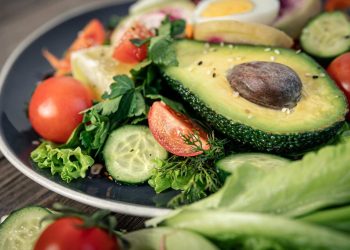
- Healthy Fats: Avocados, nuts, and olive oil can support hormone production.
- Zinc-Rich Foods: Oysters, pumpkin seeds, and legumes are excellent sources of zinc, which is essential for testosterone synthesis.
- Vitamin D: Fatty fish and fortified foods can help maintain optimal testosterone levels.
FAQs
1. How much cumin should I consume for testosterone benefits?
Research suggests that around 1-2 teaspoons of cumin daily can be beneficial, but it’s essential to listen to your body and consult a healthcare provider.
2. Are there any side effects of cumin?
In moderation, cumin is generally safe for most people. However, excessive consumption may lead to digestive issues. Always consult with a healthcare provider if you have concerns.
3. Can women benefit from cumin for hormonal balance?
Yes, women can also benefit from cumin, as it may help support hormonal balance and overall health.
4. Is cumin effective for everyone?
Individual responses to cumin can vary. While some may experience benefits, others might not notice significant changes. A holistic approach to health is crucial.
5. Are there any specific recipes that highlight cumin?
Absolutely! Cumin is a key ingredient in many dishes, such as chili, curry, and roasted vegetables. Experimenting with different recipes can help you discover new flavors while reaping the benefits.
A Reflective Perspective
Cumin’s potential role in boosting testosterone is an intriguing topic that intertwines culinary tradition with modern health science. As I continue to explore the world of natural remedies, I find myself more convinced of the power of food. Cumin is not just a spice; it’s a symbol of how we can harness nature’s offerings to enhance our well-being.
While the research is still evolving, the anecdotal evidence and historical usage of cumin suggest it’s worth considering as part of a broader approach to health. Whether you’re a seasoned chef or someone just beginning your culinary journey, incorporating cumin into your meals may be a flavorful way to support your health.
Medical Disclaimer
This article is for educational purposes only and does not replace professional medical guidance. Always speak with a qualified healthcare provider before making changes to your health routine.
References
-
Sadeghi, N., et al. (2019). “Cumin extract improves testosterone levels in male rats.” Journal of Ethnopharmacology. Link to study.
-
Khodadadi, I., et al. (2020). “Effects of cumin supplementation on testosterone levels in men with low testosterone.” Journal of Nutrition. Link to study.
-
Mozaffari-Khosravi, H., et al. (2021). “Cumin: A natural remedy for oxidative stress.” Antioxidants. Link to study.
Get Your FREE Natural Health Guide!
Subscribe now and receive our exclusive ebook packed with natural health tips, practical wellness advice, and easy lifestyle changes — delivered straight to your inbox.