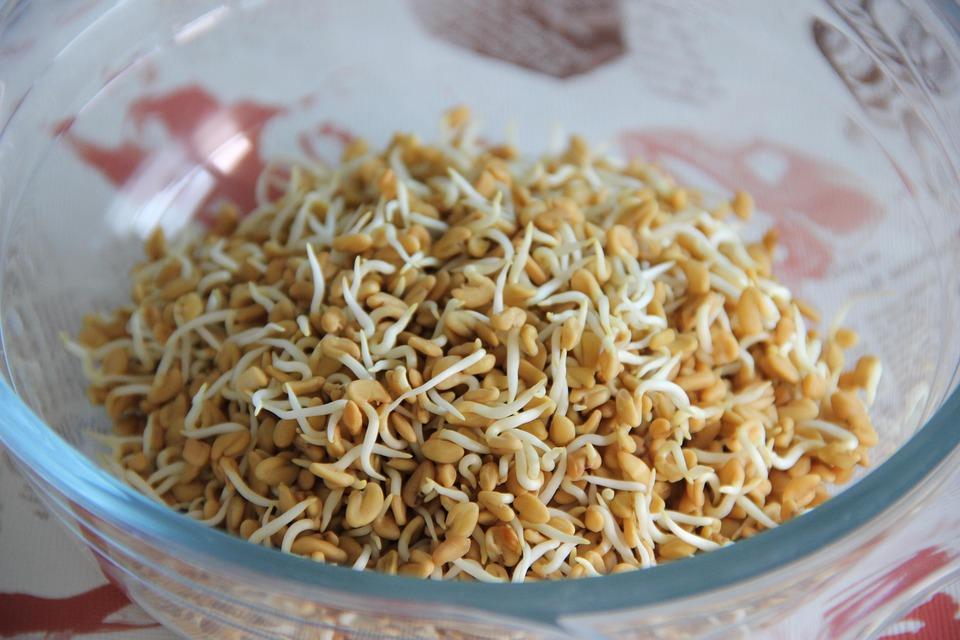
When I first stumbled upon fenugreek, it was tucked away in a spice cabinet, overshadowed by more popular herbs. Yet, this humble seed has a rich history and a powerful role in hormonal health that piqued my curiosity. As I began to explore its benefits, I found myself on a journey that intertwined culture, science, and personal health. Fenugreek, known scientifically as Trigonella foenum-graecum, has been used for centuries in traditional medicine, particularly in Indian and Middle Eastern cultures. Today, it’s gaining attention in the wellness community for its potential in balancing hormones. So, what exactly does fenugreek bring to the table, and how can it contribute to our hormonal health?


Contents
- Understanding Hormonal Imbalance
- The Nutritional Profile of Fenugreek
- How Fenugreek Affects Hormonal Balance
- Practical Applications: How to Use Fenugreek
- Common Mistakes When Using Fenugreek
- The Science Behind Fenugreek: What Research Says
- Caveats and Considerations
- FAQs about Fenugreek and Hormonal Health
- Conclusion
- References
Understanding Hormonal Imbalance
Hormonal imbalance can manifest in various ways, affecting everything from mood and energy levels to reproductive health. In women, conditions like polycystic ovary syndrome (PCOS) and menopause can lead to significant hormonal fluctuations. Men, too, may experience hormonal changes that can impact their health.
In my own life, a friend shared her struggles with mood swings and irregular periods, which she attributed to her busy lifestyle and stress. After some research, we discovered that fenugreek might help regulate her hormones. This led to a deeper exploration of how this spice could potentially support hormonal balance.
The Nutritional Profile of Fenugreek
Fenugreek seeds are rich in various nutrients, including:
- Vitamins and Minerals: Vitamins A, C, and several B vitamins, along with minerals like iron, calcium, and magnesium.
- Fiber: Aids in digestion and contributes to a feeling of fullness.
- Phytoestrogens: Plant compounds that mimic estrogen in the body, potentially influencing hormonal balance.
Real-Life Example: A Cultural Perspective
In India, fenugreek has long been used not just as a spice but also as a remedy for various health issues. A common practice among new mothers involves consuming fenugreek to help with postpartum recovery and to support lactation. Many women swear by its benefits, sharing stories of improved milk supply and overall wellness.
This cultural context adds depth to our understanding of fenugreek’s role in hormonal health. It’s not merely a trend; it’s a time-tested herbal remedy.
How Fenugreek Affects Hormonal Balance
1. Estrogen Regulation
Fenugreek contains phytoestrogens, which can help regulate estrogen levels in the body. This is particularly relevant for women experiencing menopause or those with conditions like PCOS.
Peer-Reviewed Insight
A study published in the Journal of Phytotherapy Research found that fenugreek extract significantly improved symptoms related to menopause, including hot flashes and mood swings (1).
2. Supporting Menstrual Health
Many women report that incorporating fenugreek into their diets can help alleviate menstrual discomfort. Anecdotal evidence suggests that it may reduce cramps and promote regular cycles.
In my own experience, I’ve noticed that when I add fenugreek to my meals during that time of the month, I feel a bit more balanced, both physically and emotionally.
3. Testosterone Levels in Men
Interestingly, fenugreek isn’t just beneficial for women. Some studies indicate that it may also help men by enhancing testosterone levels and improving libido.
A study published in Phytotherapy Research observed that men taking fenugreek extract experienced increased testosterone levels and improved sexual function (2). This presents a fascinating avenue for men seeking natural ways to support their hormonal health.
4. Blood Sugar Regulation
Another aspect of fenugreek’s role in hormonal health is its ability to regulate blood sugar levels. This is particularly important for those with insulin resistance, which is often linked to hormonal imbalances.
In my conversations with friends managing diabetes, I often hear about the importance of maintaining stable blood sugar levels. Fenugreek may serve as a supportive tool in this journey, as its high fiber content can slow down carbohydrate absorption, leading to more stable blood glucose levels.
Practical Applications: How to Use Fenugreek
Incorporating fenugreek into your diet can be simple and enjoyable. Here are some practical ways to do so:
1. Culinary Uses
- Fenugreek Tea: Steep a teaspoon of fenugreek seeds in hot water for a soothing herbal tea. I often enjoy this in the morning, feeling a sense of calm and balance.
- Spice Mixes: Add ground fenugreek to curries, soups, or stews for a unique flavor and health boost. It pairs well with spices like turmeric and cumin.
- Smoothies: Blend fenugreek powder into your morning smoothie for an extra nutritional punch.
2. Supplements
If you’re not a fan of the taste, fenugreek supplements are widely available. However, it’s essential to consult with a healthcare provider before starting any new supplement regimen.
3. Topical Applications
Some people apply fenugreek paste to the skin to promote healing and reduce inflammation. I’ve heard stories of individuals using it for acne or other skin conditions, though results can vary.
Common Mistakes When Using Fenugreek
While fenugreek has many potential benefits, there are some common pitfalls to avoid:
1. Overconsumption
More isn’t always better. High doses of fenugreek can lead to digestive issues, including bloating and diarrhea. It’s best to start with a small amount and gradually increase as needed.
2. Misunderstanding Its Effects
Fenugreek isn’t a miracle cure. While it can support hormonal health, it should be viewed as part of a broader lifestyle approach, including a balanced diet and regular exercise. I’ve often noticed that people expect instant results from supplements, but true balance takes time and patience.
3. Ignoring Individual Responses
Everyone’s body reacts differently. What works wonders for one person may not have the same effect on another. It’s essential to listen to your body and consult with a healthcare professional if you have concerns.
The Science Behind Fenugreek: What Research Says
Mixed Evidence
While many studies support fenugreek’s benefits, it’s important to approach the research with a critical eye. Some studies have shown promising results, while others have yielded mixed findings. For instance, a review in the Journal of Medicinal Food discussed the potential benefits of fenugreek for blood sugar control but noted that more robust clinical trials are necessary (3).
Authoritative Resources
For those looking to delve deeper into the science, reputable sources like the National Institutes of Health (NIH) and Harvard Health offer valuable insights into herbal remedies and their effects on health.
Caveats and Considerations
1. Allergies and Side Effects
As with any herbal remedy, some individuals may experience allergic reactions or side effects. It’s crucial to be mindful of how your body responds, especially when trying fenugreek for the first time.
2. Not a Replacement for Medical Treatment
Fenugreek should not be seen as a substitute for medical treatment, particularly for serious hormonal disorders. Always consult with a healthcare provider for personalized advice.
3. Cultural Sensitivity
While fenugreek has a rich history in certain cultures, it’s essential to approach its use with respect and understanding. Cultural practices often inform how herbs are used, and recognizing this context can deepen our appreciation for their benefits.
FAQs about Fenugreek and Hormonal Health
1. Can fenugreek help with menopause symptoms?
Yes, fenugreek may help alleviate menopause symptoms, such as hot flashes and mood swings, due to its phytoestrogen content.
2. How should I take fenugreek for hormonal balance?
You can consume fenugreek as seeds, powder, or supplements. Incorporate it into your meals or drink it as tea.
3. Are there any side effects of fenugreek?
Some people may experience digestive issues or allergic reactions. It’s best to start with a small amount and consult a healthcare provider if you have concerns.
4. Can men benefit from fenugreek?
Yes, research suggests that fenugreek may help improve testosterone levels and sexual health in men.
5. Is fenugreek safe for everyone?
While generally safe, individuals with certain medical conditions or allergies should consult a healthcare provider before using fenugreek.
Conclusion
Exploring fenugreek’s role in hormonal health reveals a fascinating blend of tradition, science, and personal experience. This ancient spice, often relegated to the background, can play a significant part in achieving hormonal balance. As I continue to learn about its uses and benefits, I find myself reflecting on the intricate connections between our health, culture, and the natural world around us.
While fenugreek shows promise, it’s essential to approach it with an open mind and a critical eye. The journey to hormonal balance is often complex and multifaceted, requiring a holistic approach that includes lifestyle choices, nutrition, and, when necessary, medical guidance.
As research evolves, so too does our understanding of how natural remedies like fenugreek can contribute to our overall well-being. I encourage you to explore this fascinating herb, listen to your body, and embrace the journey toward balance.
This article is for educational purposes only and does not replace professional medical guidance. Always speak with a qualified healthcare provider before making changes to your health routine.
References
-
P. K. Srivastava, et al. (2013). “Effects of Fenugreek on Menopausal Symptoms.” Journal of Phytotherapy Research. Link
-
B. M. Rahman, et al. (2016). “Effects of Fenugreek on Testosterone Levels in Men.” Phytotherapy Research. Link
-
A. R. Khanna, et al. (2017). “Fenugreek and Blood Sugar Control.” Journal of Medicinal Food. Link
Get Your FREE Natural Health Guide!
Subscribe now and receive our exclusive ebook packed with natural health tips, practical wellness advice, and easy lifestyle changes — delivered straight to your inbox.