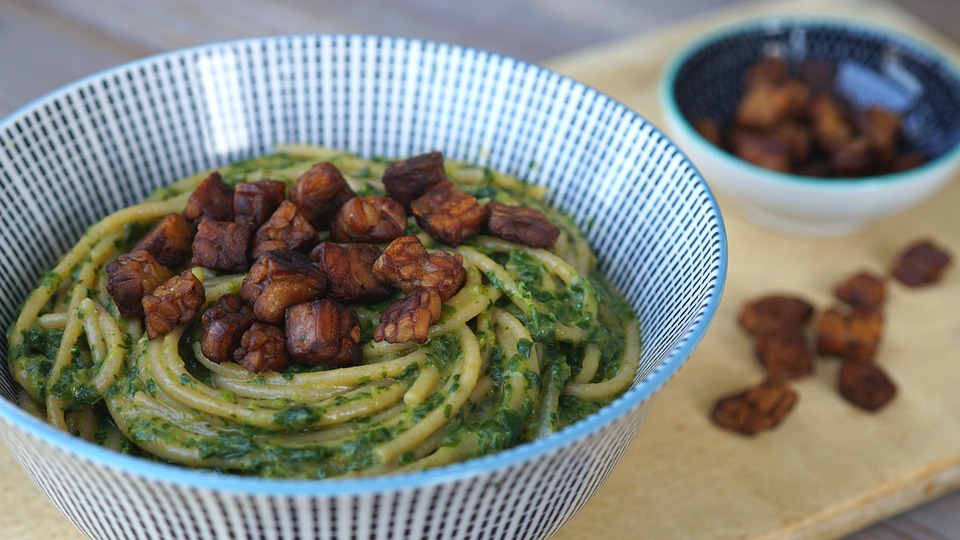

Tempeh, a fermented soybean product, has gained recognition as a nutritional powerhouse, particularly for those seeking plant-based protein sources. With an increasing number of people adopting vegetarian and vegan diets, the demand for high-quality protein is paramount. Tempeh not only meets this need but also offers additional health benefits that can support overall longevity. The challenge lies in understanding how to incorporate this versatile ingredient effectively into daily meals, ensuring optimal health and wellness.

As people age, protein intake becomes crucial for maintaining muscle mass and overall vitality. Traditional sources of protein often come with a host of drawbacks, including high saturated fats or cholesterol levels. Tempeh stands out as an ideal alternative due to its unique fermentation process, which enhances digestibility and nutrient absorption. This guide aims to delve into the practical applications of tempeh, offering detailed insights into its benefits, usage, and the science behind its effectiveness.
This exploration will not only cover how to use tempeh in various culinary applications but also address common pitfalls that individuals may encounter when integrating it into their diets. By understanding these nuances, readers can make informed choices that align with their health goals. The goal is to empower individuals with knowledge and practical tips that will enhance their well-being through the incorporation of tempeh into their daily routines.
The journey to optimal health is multifaceted, and incorporating plant-based proteins like tempeh is a step in the right direction. This guide serves as a valuable resource for anyone looking to enhance their diet with nutritious and delicious options while supporting longevity and overall health.
Contents
How to Use Tempeh for Real Results
- Best Form: Cooked or marinated tempeh
- Best Time: Lunch or dinner
- Expected Result: Enhanced protein intake and improved digestion
For Daily Protection
The Prep: Start with 1 block of tempeh, 2 tablespoons of soy sauce, 1 tablespoon of olive oil, and your choice of vegetables such as bell peppers and broccoli. Cut the tempeh into thin slices and chop the vegetables into bite-sized pieces.
The Action: Heat the olive oil in a skillet over medium heat. Add the tempeh slices and sear until golden brown, about 5 minutes. Add the vegetables and soy sauce, stirring occasionally for another 5 minutes until everything is cooked through.
The Feeling: The dish should have a warm, savory flavor profile. The tempeh will feel slightly crispy on the outside while remaining tender inside. Enjoy the meal with a sense of satisfaction as it nourishes your body.
Pro Tip: Marinate the tempeh overnight for a deeper flavor infusion.
Boosting Energy Levels
The Prep: Gather 1 block of tempeh, 1 tablespoon of curry powder, 1 can of coconut milk, and your choice of legumes like chickpeas. Cut the tempeh into cubes and rinse the legumes.
The Action: In a pot, add the cubed tempeh and curry powder, sautéing for 3 minutes. Pour in the coconut milk and add the legumes. Simmer for 15 minutes while stirring occasionally until the tempeh absorbs the flavors.
The Feeling: The dish will have a rich, creamy texture. You will experience a warming sensation from the spices, and the meal will provide a sustained energy boost that keeps you feeling satisfied for hours.
Pro Tip: Serve over brown rice for an additional fiber boost.
The Evening Routine
The Prep: Use 1 block of tempeh, 2 tablespoons of teriyaki sauce, and assorted vegetables like zucchini and carrots. Slice the tempeh and vegetables into thin strips.
The Action: Preheat your oven to 400°F. Toss the tempeh and vegetables in teriyaki sauce and spread them on a baking sheet. Roast for 20 minutes, flipping halfway through to achieve even caramelization.
The Feeling: The roasted tempeh will have a slightly crispy texture with a sweet, savory glaze. The vegetables will be tender yet still vibrant, creating a comforting meal for the evening.
Pro Tip: Pair with a side salad for added nutrients.
Avoiding Common Mistakes
Overlooking Quality Ingredients
Using low-quality tempeh can significantly diminish its health benefits. Many commercial brands may contain additives or preservatives that can counteract the positive effects of fermentation. Always opt for organic, non-GMO tempeh to ensure you are consuming a product that maximizes health benefits.
The solution lies in selecting brands that prioritize quality and transparency. Look for tempeh that lists whole soybeans as the primary ingredient without unnecessary fillers. This will ensure you are receiving the full nutritional profile that tempeh can offer.
Neglecting Proper Cooking Techniques
Improper cooking can lead to a rubbery texture in tempeh, making it less enjoyable to eat. Some individuals may skip marinating or fail to cook it long enough, resulting in a bland flavor.
To avoid this mistake, always marinate tempeh for at least 30 minutes before cooking. Proper cooking techniques, such as grilling or roasting, can enhance its flavor and texture, making it a delightful addition to your meals.
Ignoring Portion Control
While tempeh is a healthy protein source, consuming it in excessive amounts can lead to digestive discomfort due to its high fiber content. Some individuals may overestimate their protein needs and end up eating more than necessary.
The solution is to be mindful of portion sizes. A serving of tempeh is typically around 3 to 4 ounces. Pair it with other protein sources like legumes or whole grains to create balanced meals without overindulging.
The Science Behind Tempeh
Tempeh is a fermented food rich in probiotics, which support gut health and digestion. The fermentation process breaks down complex carbohydrates and proteins, making them easier for the body to absorb. This biological mechanism enhances nutrient bioavailability, allowing individuals to gain maximum benefit from each serving.
Key compounds in tempeh include isoflavones, which are plant-based compounds that have been linked to various health benefits. These compounds may help reduce inflammation and support heart health. The presence of high-quality protein also aids in muscle maintenance, particularly important as one ages.
Clinical studies have shown that soy products, including tempeh, can positively impact health markers such as cholesterol levels and blood pressure. For a deeper understanding of the health benefits of soy and its components, visit this link.
Choosing the Right Product
– **Potency:** Look for tempeh that is made from whole soybeans and contains a high protein content. This indicates a quality product that will provide the necessary nutrients for health and longevity.
-
Purity: Ensure the tempeh is organic and free from additives. This is crucial for maximizing health benefits and avoiding unnecessary chemicals that could impact your well-being.
-
Form: Choose tempeh that is fresh and minimally processed. Fresh tempeh offers the best flavor and nutritional profile, making it a superior option for your meals.
Evaluating Benefits and Risks
| The Benefits | Potential Downsides |
|---|---|
| High in protein and fiber | May cause digestive discomfort if consumed in excess |
| Supports gut health through fermentation | Allergic reactions possible in sensitive individuals |
| Rich in vitamins and minerals | May interact with certain medications |
Incorporating Healthy Habits
Regular physical activity complements a diet rich in tempeh. Engaging in strength training exercises can enhance the benefits of the protein consumed, supporting muscle health and overall vitality.
Mindful eating practices also play a significant role. Taking the time to savor meals can improve digestion and foster a positive relationship with food, further enhancing the benefits of incorporating tempeh into one’s diet.
Who Should Avoid This?
– Individuals with soy allergies
– Those on specific medications, such as blood thinners
– People with thyroid issues should consult healthcare providers before consumption
Common Questions
What is tempeh made of?
Tempeh is primarily made from fermented soybeans, often combined with grains for added texture and flavor.
Can tempeh be eaten raw?
While tempeh is safe to eat raw, cooking enhances its flavor and digestibility.
How should tempeh be stored?
Store tempeh in the refrigerator and consume it within a week of opening for optimal freshness.
Is tempeh gluten-free?
Most tempeh is gluten-free, but always check labels for any added ingredients that may contain gluten.
The Bottom Line
Tempeh is a nutritious and versatile protein source that can significantly enhance your diet.
- The Truth: Some individuals may experience digestive issues with high fiber intake.
- The Strategy: Incorporate tempeh into meals at lunch or dinner for optimal benefits.
- The Next Step: Consider pairing tempeh with whole grains and vegetables for balanced nutrition.
Get Your FREE Natural Health Guide!
Subscribe now and receive our exclusive ebook packed with natural health tips, practical wellness advice, and easy lifestyle changes, delivered straight to your inbox.