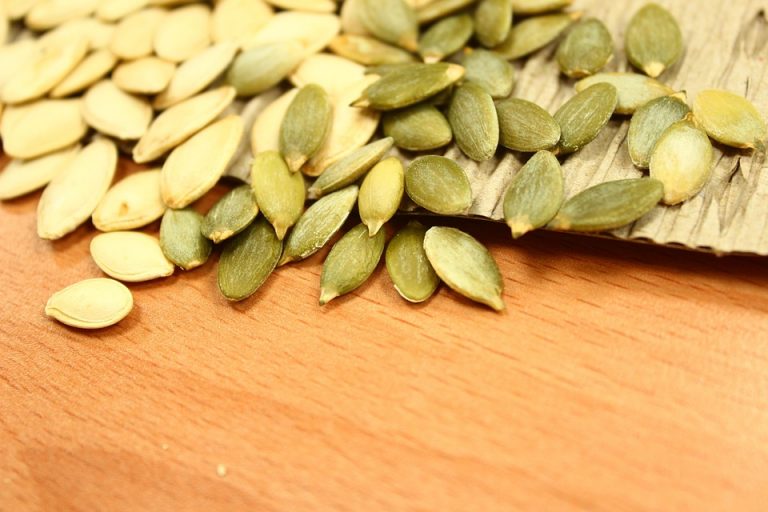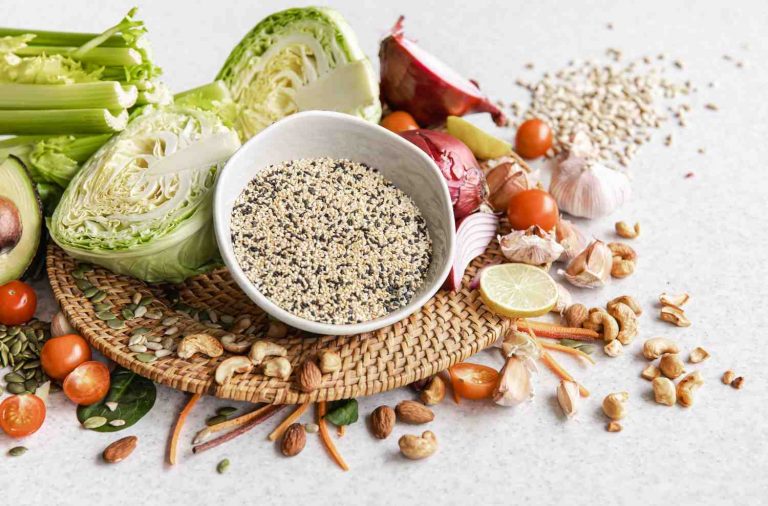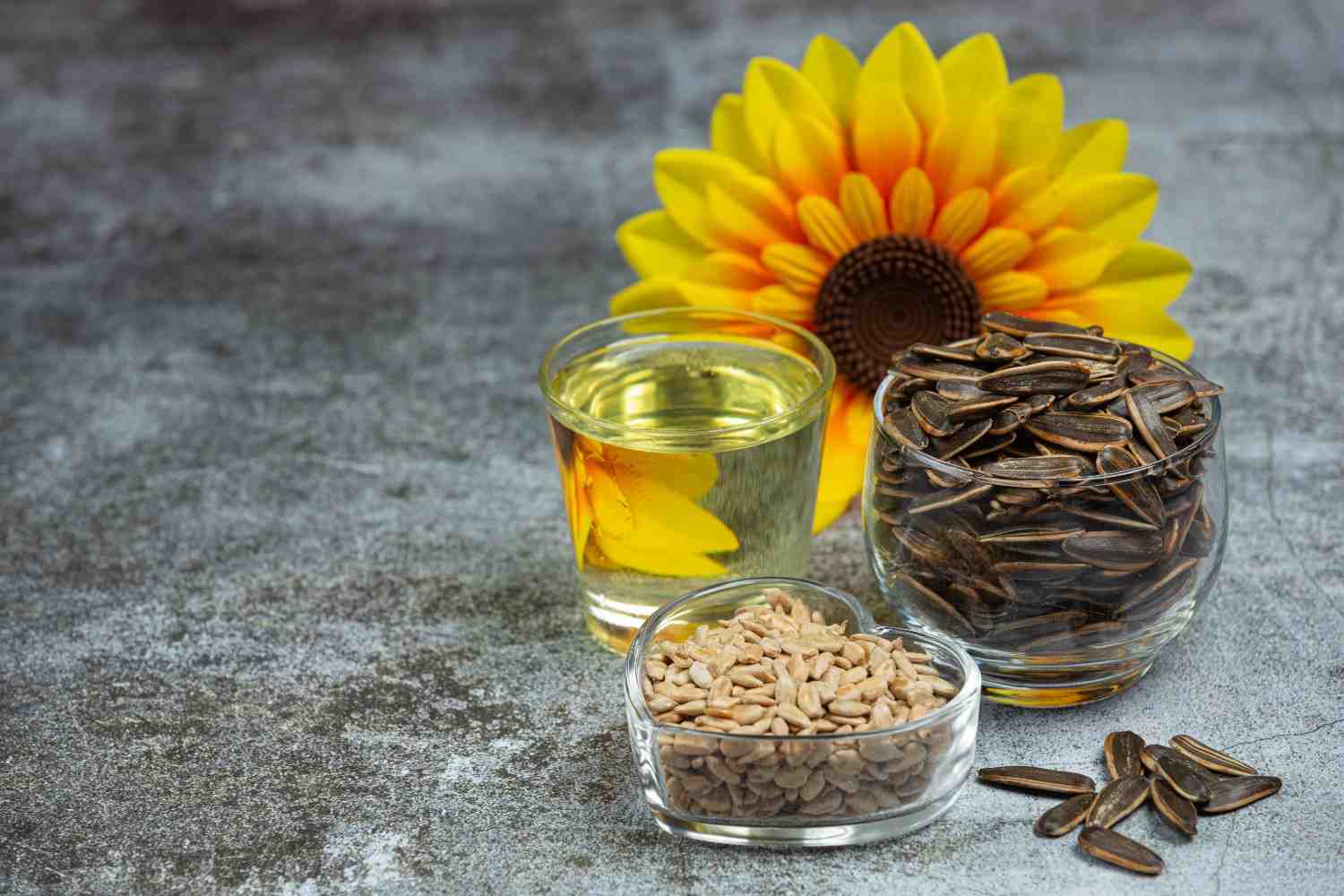

Sunflower seeds are often overlooked as a simple snack. However, they pack a powerful punch for joint health, primarily due to their rich vitamin E content. Joint discomfort and inflammation are common issues affecting many individuals, particularly as they age. Finding effective dietary solutions can significantly enhance quality of life. One such solution lies within the tiny yet mighty sunflower seed.

Incorporating sunflower seeds into your diet can provide essential nutrients that not only support joint health but also contribute to overall wellness. Many people are unaware of the significant benefits these seeds offer. Understanding how to harness their potential can lead to improved mobility and reduced pain.
Vitamin E, a key component found in sunflower seeds, plays a vital role in protecting cells from oxidative stress. This stress is a contributing factor to inflammation and joint issues. By including sunflower seeds in your diet, you can provide your body with the tools it needs to combat these problems effectively.
This guide will delve into the various ways sunflower seeds can enhance joint health, practical applications, common mistakes to avoid, the science behind their efficacy, and tips for choosing the right products. Embracing this nutrient-dense snack can pave the way for a more comfortable and active lifestyle.
Contents
How to Use Sunflower Seeds for Real Results
- Best Form: Raw or roasted sunflower seeds
- Best Time: As a daily snack or added to meals
- Expected Result: Improved joint mobility and reduced inflammation
For Daily Protection
The Prep: Start with raw or lightly roasted sunflower seeds. Aim for about a quarter cup, which provides a significant amount of vitamin E. You may also want to mix in some dried fruit for added flavor and nutrients.
The Action: Snack on the sunflower seeds throughout the day. Alternatively, sprinkle them over salads, yogurt, or oatmeal. This allows for easy incorporation into your meals while enhancing their nutritional profile.
The Feeling: As you consume sunflower seeds regularly, you may notice a gradual decrease in joint discomfort. The sensation can be described as a soothing relief as your body benefits from the anti-inflammatory properties of vitamin E. This effect can last throughout the day.
Pro Tip: Keep a small container of sunflower seeds in your bag for a convenient snack on the go.
Targeting Acute Pain
The Prep: Gather sunflower seeds, a handful of nuts, and a pinch of salt. This combination can enhance flavor while providing additional nutrients beneficial for joint health.
The Action: Create a trail mix by combining sunflower seeds with other nuts and seeds. Enjoy this mix whenever you feel discomfort in your joints. The healthy fats and vitamin E work synergistically to help reduce inflammation.
The Feeling: You may experience a slight tingling sensation as your body absorbs the nutrients. Over time, this can translate into a noticeable reduction in acute pain, allowing for greater mobility.
Pro Tip: Consider chilling the mix in the refrigerator for a refreshing snack during warmer months.
The Nighttime Routine
The Prep: Prepare a calming bedtime snack using sunflower seeds and a bit of honey. This combination not only satisfies your sweet cravings but also promotes joint health.
The Action: Mix a tablespoon of sunflower seeds with a teaspoon of honey and enjoy it about 30 minutes before bedtime. This snack can aid in relaxation while providing your body with essential nutrients.
The Feeling: Consuming this snack may lead to a sense of calm and comfort, as the vitamin E works overnight to support joint health. You may wake up feeling more refreshed and less stiff.
Pro Tip: Pair this snack with herbal tea for an even more relaxing bedtime ritual.
Identifying Common Errors
Choosing Unsalted Varieties
Many people opt for unsalted sunflower seeds, thinking they are healthier. While this can reduce sodium intake, it may also lead to a less enjoyable experience. The flavor enhancement from salt can encourage regular consumption. Salted seeds can also help retain moisture, making them more palatable.
Switching to salted varieties can enhance your snacking experience, encouraging you to consume them regularly. This consistent intake is essential for reaping the full benefits of vitamin E for joint health.
Overlooking Quality
Not all sunflower seeds are created equal. Some brands may use inferior quality seeds or additives that diminish their health benefits. Opting for organic or non-GMO sunflower seeds ensures a higher nutrient profile and fewer harmful substances.
Quality matters significantly when it comes to nutrient absorption. Choosing high-quality seeds means you are more likely to experience the anti-inflammatory benefits that support joint health.
Ignoring Portion Sizes
Sunflower seeds are calorie-dense, and it’s easy to overindulge. Eating them in large quantities may lead to unintended weight gain, which can put additional strain on your joints.
Paying attention to portion sizes ensures you gain the health benefits without the drawbacks. A quarter cup is a great serving size to start with while allowing for flexibility based on your dietary needs.
The Science Behind Joint Health
The biological mechanism of vitamin E in sunflower seeds involves its role as a powerful antioxidant. Antioxidants combat oxidative stress, which can lead to inflammation and joint pain. Vitamin E helps protect cell membranes and reduces the inflammatory response, contributing to improved joint function.
Key compounds in sunflower seeds include tocopherols, which are forms of vitamin E. These compounds have been shown to inhibit the production of inflammatory markers in the body. This inhibition can lead to a decrease in joint pain and swelling.
Clinical evidence supports the role of vitamin E in joint health. Studies indicate that adequate intake of vitamin E can help reduce pain and improve mobility in individuals with inflammatory conditions. For further reading, you can explore this NIH ODS Fact Sheet.
Choosing the Right Product
- Potency: Ensure the seeds contain a high level of vitamin E. This is crucial for maximizing their benefits.
- Purity: Look for products that are free from additives and preservatives. Pure products guarantee you’re only consuming what you need for health.
- Form: Decide between raw, roasted, or sprouted seeds based on your preference. Each form offers unique benefits and flavors.
Understanding Trade-Offs
| The Benefits | Potential Downsides |
|---|---|
| Rich in vitamin E, supporting joint health | High in calories, potential for overconsumption |
| Contains healthy fats beneficial for overall health | Salted varieties may increase sodium intake |
| Versatile and easy to incorporate into meals | Quality may vary among brands |
Integrating Healthy Habits
Maintaining an active lifestyle is essential for joint health. Regular exercise strengthens muscles around the joints, providing better support and reducing pain. Pairing workouts with sunflower seeds can enhance recovery and reduce inflammation.
Mindfulness practices such as yoga or tai chi can also be beneficial. These activities promote flexibility and reduce stiffness, complementing the anti-inflammatory properties of sunflower seeds.
Who Should Avoid This?
– Individuals with nut allergies
– Those on a low-sodium diet
– People with specific dietary restrictions related to seeds
– Anyone with a history of kidney stones
Common Questions
Can sunflower seeds replace medication for joint pain?
Sunflower seeds can complement treatment but should not replace prescribed medications without consulting a healthcare professional.
How often should I consume sunflower seeds?
Incorporating them into your daily diet in moderation is ideal for maximizing their benefits.
Are roasted sunflower seeds less nutritious?
Roasted seeds may lose some nutrients, but they still retain significant health benefits. Opt for lightly roasted varieties to balance flavor and nutrition.
Can I use sunflower oil instead of seeds?
While sunflower oil contains vitamin E, it lacks the fiber and other nutrients found in whole seeds. Whole seeds are a better choice for joint health.
The Bottom Line
Incorporating sunflower seeds into your diet can enhance joint health through their vitamin E content and anti-inflammatory properties.
- The Truth: They are not a cure-all but can provide significant relief.
- The Strategy: Regular consumption is key to experiencing benefits.
- The Next Step: Add sunflower seeds to your daily meals for optimal health.
Get Your FREE Natural Health Guide!
Subscribe now and receive our exclusive ebook packed with natural health tips, practical wellness advice, and easy lifestyle changes, delivered straight to your inbox.