Practical Strategies For Sarcopenia Prevention Without Heavy Lifting And Maintaining Muscle Mass
I notice the way my own grip strength shifts when I neglect intentional movement for even a few weeks. It serves as a subtle reminder that our frames require consistent engagement to remain resilient against the natural loss of muscle tissue that accompanies aging. This common shift in physical capability often feels like a slow fade rather than a sudden event.
Many people assume that keeping lean body mass requires hours in a gym with iron plates and exhausting routines. That perspective often causes individuals to abandon their goals before they start because they fear the intensity of traditional resistance models. My research into body mechanics suggests that the body responds well to smaller, frequent inputs just as much as it responds to singular, high intensity efforts.
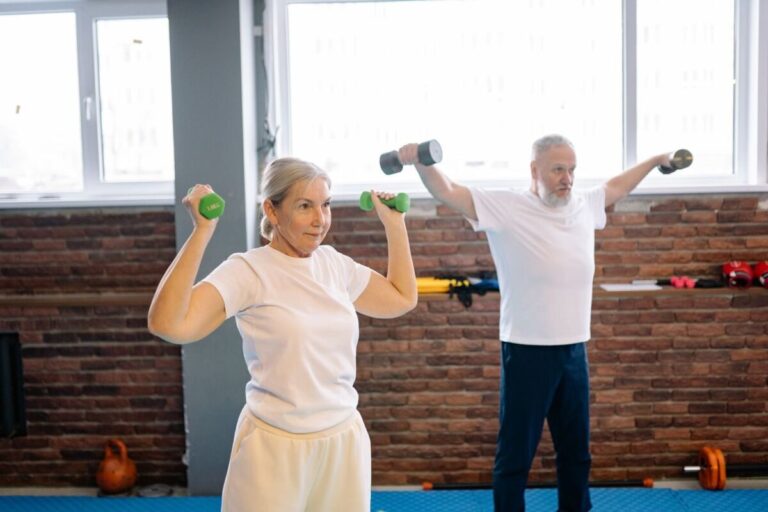
Sarcopenia prevention without heavy lifting involves prioritizing functional tension, consistent movement patterns, and optimal protein intake to sustain muscle fibers. By leveraging body weight and gravity through controlled daily habits, you can support your skeletal frame and metabolic health over the long term.
Key Takeaways
- Research from the National Institutes of Health indicates that muscle mass naturally declines by about 3 to 8 percent per decade after the age of 30.
- Studies suggest that consuming roughly 1.2 grams of protein per kilogram of body weight is a baseline for maintaining tissue integrity in older adults.
- Maintaining physical activity levels can reduce the risk of mobility limitations by nearly 40 percent in long term observational cohorts.
Prioritizing Protein Intake For Tissue Support
Muscle maintenance relies heavily on the internal availability of amino acids. Without adequate building blocks, your body struggles to repair the microscopic wear that occurs during normal daily movement. Think of protein as the primary currency for your cellular economy.
You do not need massive quantities to see results. Focus on distributing your consumption evenly across three or four meals throughout the day. This simple shift helps your body stay in a state of repair rather than relying on one single large serving.
- Lean Poultry options like chicken breast or turkey provide high quality amino acids without excessive saturated fats.
- Plant Proteins such as lentils and chickpeas are effective choices that also offer valuable fiber for your digestive system.
- Greek Yogurt serves as a convenient snack that contains high levels of leucine which helps signal muscle repair.
Harnessing Time Under Tension Through Slow Movement
You can create enough stimulus to support your frame without ever touching a weighted bar. The secret lies in the speed of your movement. By performing basic tasks with deliberate slowness, you increase the amount of time your fibers spend under tension.
Try the five-second rule for your daily movements. Take five seconds to lower yourself into a chair and five seconds to stand back up. This simple count removes momentum from the equation and forces your muscles to work through the full range of motion.
Data from the National Library of Medicine confirms that controlled, eccentric actions promote stability in aging populations. This approach keeps your joints healthy while effectively signaling your system to maintain its current architecture.
Calculating Your Baseline Activity Needs
To support your frame, you need to understand how much work your body handles in a typical week. I use a simple formula to ensure my own activity remains consistent even when I lack time for formal exercise sessions. You can adapt this for your own routine to monitor your progress.
Take your total daily steps and multiply them by a factor of 1.2 to account for your vertical movement against gravity. If you hit a daily floor of 7,000 steps, you provide enough mechanical stress to keep your lower body stable. Add in three sessions of floor based movement to ensure your upper body receives similar engagement.
| Activity Type | Intensity Level | Primary Benefit |
|---|---|---|
| Brisk Walking | Moderate | Metabolic support |
| Slow Squats | Controlled | Leg endurance |
| Wall Pushups | Moderate | Arm stability |
The Role Of Hydration In Cellular Function
Muscles function poorly when they lack adequate water. Even mild dehydration can make you feel weaker than you actually are. Proper fluid levels ensure that nutrients travel to your tissues effectively and waste products move out.
Do not wait until you feel thirsty to take a sip. Keep a glass within reach at your desk or in your kitchen as a visual cue. Your cells operate best when they have a steady supply of fluid to facilitate their internal chemical processes.
Integrating Functional Movement Into Your Routine
You already perform natural exercises throughout your day without realizing it. Carrying groceries, standing up from a sofa, or reaching for items on high shelves are all forms of resistance. The key is to perform these tasks with intention rather than rushing through them.
- Grocery Bags should be held at your sides while you keep your core tight and your shoulders back.
- Stair Climbing is an opportunity to push through your heels to engage your glutes rather than simply relying on your knees.
- Countertop Leaning allows you to perform modified pushups while you wait for your coffee to brew or your tea to steep.
Protecting Your Joints While Moving Daily
Joint health dictates how much you can move as the years pass. Avoid jarring impacts that cause inflammation in your cartilage. Focus instead on smooth, fluid transitions that feel natural to your frame.
Research published by the Centers for Disease Control shows that low impact activity is safer for long term mobility. By favoring consistency over high force, you protect your infrastructure while still providing the necessary signals for tissue preservation.
Frequently Asked Questions
How can I tell if my muscle mass is decreasing?
You may notice changes in your daily endurance such as feeling winded after climbing a single flight of stairs. Grip strength often serves as a silent indicator of overall physical stability and vitality.
Tracking small metrics can help you notice these shifts early. Try to monitor how easily you can stand from a low chair without using your hands for support.
Is walking enough to prevent muscle loss?
Walking provides essential cardiovascular support and keeps your legs mobile but it might not be enough on its own to maintain lean mass. You should incorporate movements that require you to push or pull against resistance several times a week.
Combine your walking routine with body weight movements like wall presses or chair squats to get the best results. This hybrid approach ensures you hit both your heart and your muscle fibers.
What is the most important nutrient for muscle support?
Protein ranks as the most vital component for the repair and maintenance of your tissue. It provides the amino acids that your body uses to rebuild fibers after daily wear.
Aim for high quality sources such as fish, legumes, eggs, or dairy to meet your requirements. Distributing these throughout the day keeps your system supplied with what it needs to thrive.
Can I regain strength if I have been inactive for a long time?
Your body possesses a remarkable ability to respond to new inputs regardless of your current age. Even after years of inactivity, providing consistent, gentle stimulation encourages your muscles to adapt and recover their function.
Start slowly to allow your joints and tendons to adjust to the new activity. Patience allows you to build a foundation that lasts for decades rather than weeks.
Should I track my calories to maintain muscle?
Focusing on the quality of your fuel is more effective than counting numbers for the sake of restriction. Ensure that your meals include a protein source, a healthy fat, and colorful produce to support your metabolism.
When you provide your body with nutrient dense food, your internal systems naturally regulate themselves. This removes the stress of tracking and allows you to enjoy your eating habits.
The Bottom Line
Sarcopenia prevention without heavy lifting is entirely achievable through intentional movement and consistent protein consumption. By focusing on time under tension and daily functional activity, you protect your body against the natural decline of tissue density.
Embrace the habit of moving with purpose in every task you perform. Prioritize high quality food choices to fuel your repair cycles and support your long term physical autonomy.
Those with pre-existing joint conditions or chronic metabolic concerns should proceed with caution and modify movements to avoid strain. Consult a licensed healthcare provider before starting any new wellness routine.
Get Your FREE Natural Health Guide!
Subscribe now and receive our exclusive ebook packed with natural health tips, practical wellness advice, and easy lifestyle changes, delivered straight to your inbox.