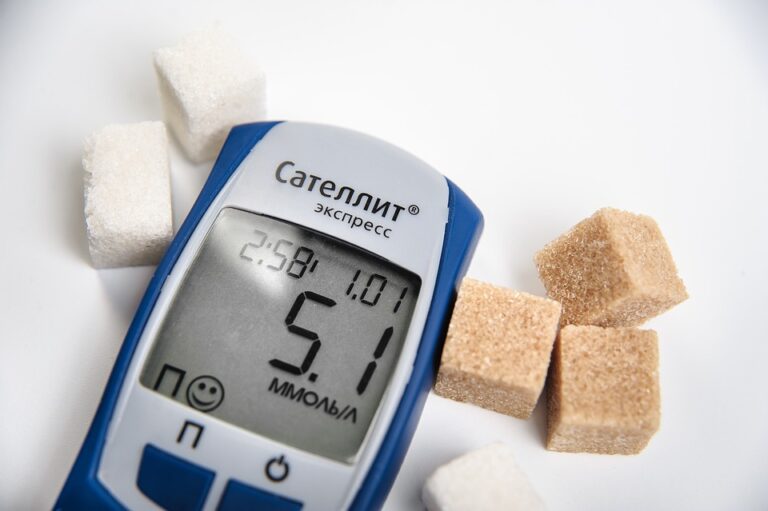
Steady Your Energy By Naturally Supporting The Adrenals For Glucose Regulation
Most of us feel the midday slump when our focus wanes and our stamina drops. These dips often link to how our internal systems manage energy storage and release during stressful moments. A balanced approach to hormonal rhythm helps maintain consistent vitality throughout the day.
Stable blood sugar levels rely on the harmony between specific glands that govern our stress response and metabolic activity. When these components function in sync, the body avoids sudden energy crashes that typically follow intense activity or prolonged tension. Managing this delicate balance allows for a more predictable and sustainable output of physical and mental fuel.
Naturally supporting the adrenals to prevent glucose dumping involves stabilizing the hormonal response to stress through nutrient-dense dietary choices and consistent sleep hygiene. By prioritizing complex carbohydrates and stabilizing electrolytes, you can minimize the abrupt release of stored sugar into the bloodstream. This approach fosters steady energy levels rather than the typical cycle of spikes and subsequent fatigue.
Key Takeaways
- Cortisol regulation remains a primary factor, as research from the National Institutes of Health indicates that chronic stress impacts metabolic health significantly.
- Glucose stability generally improves when fiber intake ranges between 25 and 35 grams per day for most adults.
- Electrolyte balance acts as a foundational support for cellular function, with daily sodium, potassium, and magnesium intake requirements varying based on activity levels.
Biological Rhythms And Metabolic Control
The body maintains a sophisticated internal clock that dictates how it handles fuel sources. When we experience high levels of pressure, the system produces hormones that signal a need for rapid energy. This action sometimes causes an unnecessary release of sugar into the blood, which later leads to a noticeable decline in function.
Understanding these shifts requires looking at how we fuel our mornings. Starting the day with a balance of healthy fats and protein helps set the tone for the entire afternoon. This strategy prevents the morning surge of energy from depleting too early.
The Role Of Micronutrients In Hormone Stability
Specific vitamins and minerals act as the fuel for our internal signaling processes. When these levels fall short, the body struggles to keep internal resources in check. You can find more detail on this topic in studies available via the Centers for Disease Control regarding overall wellness foundations.
Focusing on the following nutrients often helps keep systems functioning efficiently:
- Magnesium assists in relaxing the nervous system and supporting proper sugar metabolism.
- Vitamin C serves as a vital component for the health of glands that manage our reaction to external changes.
- B Vitamins play a role in converting food into usable energy without forcing the body to overproduce stress hormones.
Naturally Supporting The Adrenals To Prevent Glucose Dumping Through Nutritional Timing
To demonstrate how this works, consider a simple numerical example for your daily plate. Aim for a ratio that prioritizes slow burning fuel sources to avoid sharp peaks.
If you consume a standard meal, try this specific ratio to observe your own response:
- Fiber focus: Fill half your plate with non starchy vegetables to provide bulk and slow down digestion.
- Protein anchor: Include at least 20 to 30 grams of high quality protein to stabilize the arrival of nutrients in the blood.
- Fat addition: Add a tablespoon of olive oil or half an avocado to further extend the energy release curve.
| Nutrient Type | Primary Function | Suggested Source |
|---|---|---|
| Complex Fiber | Slows sugar absorption | Roasted broccoli |
| Healthy Fats | Sustains energy levels | Raw pumpkin seeds |
| Lean Protein | Supports muscle recovery | Grilled wild salmon |
Habits That Influence Internal Harmony
Sleep quality represents a pillar of health that governs how we manage energy the following day. Poor rest triggers a cycle where the body remains in a heightened state of alert. This state makes it difficult to manage sugar levels throughout the afternoon hours.
Physical movement also helps, provided it matches your current capacity. Walking after meals assists the muscles in utilizing available fuel, which prevents excess sugar from lingering in the system. Information provided by the National Library of Medicine highlights how movement influences physical outcomes.
Strategies For Evening Recovery
Creating a transition period before bed helps lower the internal signals that prioritize urgency. Dimming the lights and limiting screen time signals to the body that the active phase is complete. This transition allows for better restorative sleep.
Consider these evening steps:
- Hydration timing: Stop heavy fluid intake two hours before bed to ensure deep sleep is not interrupted.
- Room temperature: Keep the sleeping space cool to encourage the natural drop in body heat associated with rest.
- Mindful reflection: Write down tasks for the next day to stop the cycle of ruminating on work at night.
Frequently Asked Questions
Can diet alone stop the cycle of energy crashes?
Diet serves as the primary tool for providing the building blocks necessary for metabolic function. When you choose whole, unprocessed foods, you provide the system with consistent fuel rather than quick bursts that lead to fatigue.
While diet is foundational, it works best when combined with adequate sleep and stress management. Total wellness relies on the integration of these habits rather than relying on one single food group or restrictive practice.
How does physical movement change the way I use energy?
Regular movement helps your muscles become more efficient at absorbing fuel from the bloodstream. This process keeps levels within a narrow range and prevents the buildup that occurs during sedentary periods.
You do not need intense sessions to see results. Even consistent walking after a meal helps keep your internal systems moving and reduces the need for the body to compensate for high sugar spikes.
Why is sleep so significant for managing sugar release?
Lack of rest places a significant burden on the body and keeps it in a defensive posture. When you are tired, the system tends to prioritize the release of quick energy to keep you going, even when you do not need it.
Prioritizing seven to nine hours of rest allows the body to reset its internal chemical balance. This rest period is the most effective time for the system to repair and prepare for the demands of the next day.
Are supplements a required part of this process?
Supplements are intended to bridge gaps in a diet, not to replace the need for nutrient dense meals. Most people find the best results by first auditing their daily intake for variety and color before adding external additions.
If you notice persistent fatigue despite a solid diet and good sleep, it may be time to look at your personal nutrient levels. Always focus on food first as your primary source of vitamins and minerals.
What should I look for when evaluating my energy patterns?
Keeping a brief log of your energy and meals for one week can reveal helpful patterns. Note when you feel the most alert and when you experience a drop in focus relative to what you ate.
This simple observation helps you identify which specific foods or habits trigger your own personal slump. Use this data to make small, iterative changes to your routine rather than attempting to change everything at once.
The Bottom Line
Steadying your energy requires a patient, holistic look at your daily choices. By prioritizing nutrient dense foods and honoring the need for restorative sleep, you provide the system with the foundation it needs to function well. Naturally supporting the adrenals to prevent glucose dumping is a matter of consistency over perfection.
Observe your energy levels for one week and identify the time of day when you typically experience a dip, then adjust your protein intake during the preceding meal to see if your stamina remains more stable.
This content is for educational purposes and is not a substitute for professional medical advice. Never stop or change any medication without consulting the provider who recommended it. Consult a licensed healthcare provider before starting any new wellness routine.
Get Your FREE Natural Health Guide!
Subscribe now and receive our exclusive ebook packed with natural health tips, practical wellness advice, and easy lifestyle changes, delivered straight to your inbox.