Understanding How Wim Hof Breathing For Inflammation Affects Human Biology
Most of us feel the slow creep of stiffness in our joints or the vague fog that settles over our focus after a long week. We often look for external tools to manage these internal states, hoping to find a bridge between our mental focus and our physical resilience. This search for balance leads many to explore deep, rhythmic lung patterns that claim to alter how our systems react to environmental stress.
The practice relies on rapid cycles of deep inhales followed by passive exhales to shift the chemical landscape of the blood. By introducing a specific sequence of oxygen saturation and controlled retention, practitioners aim to influence the way internal markers respond to outside pressure. Many advocates suggest that this method creates a temporary window where the body becomes more resistant to standard markers of irritation.
Wim Hof breathing for inflammation involves a repetitive cycle of hyperventilation followed by breath retention to trigger a temporary surge in adrenaline and alkaline blood levels. This practice may modulate the immune response by suppressing the production of specific proteins responsible for swelling and pain. By regularly engaging in this routine, individuals hope to lower their baseline levels of physical discomfort and foster a more adaptive nervous system.
Key Takeaways
- Research from the National Academy of Sciences indicates that specific breathing techniques can significantly modulate the autonomic nervous system.
- Studies show that conscious hyperventilation can lead to an increase in blood pH levels from 7.4 to approximately 7.7 within minutes.
- Participants in controlled trials demonstrate a clear reduction in pro inflammatory cytokines, often by a margin of 50 percent or more during active sessions.
Physiological Responses To Rhythmic Respiratory Control
The core concept centers on how oxygen intake impacts the internal environment. When we force our lungs to operate at a higher capacity, we move past our normal resting state. This shift forces the body to prioritize oxygen delivery to vital organs while temporarily turning down non essential functions.
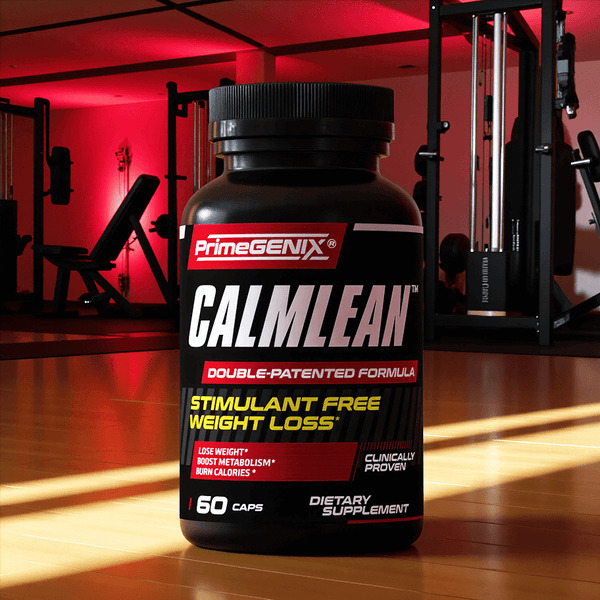
CalmLean™ Stimulant-Free Metabolism Support
- Engineered with ForsLean® to support metabolic baseline without caffeine
- 100% stimulant-free formulation avoids energy crashes and jitters
- Manufactured in a cGMP-compliant, FDA-registered facility
During these sessions, the heart rate often fluctuates rapidly. This interval training for the nervous system helps train the body to remain calm under duress. The subsequent drop in carbon dioxide levels induces a state of temporary alkalosis, which researchers link to the dampening of common physical irritation pathways.
Many people find that the biggest hurdle is the discomfort of the retention phase. Learning to sit with the urge to breathe builds mental stamina. This mental fortitude often spills over into how we handle everyday physical aches.
| Phase | Duration | Primary Effect |
| Hyperventilation | Ninety Seconds | Decreased Carbon Dioxide |
| Retention | Two Minutes | Elevated Adrenaline |
| Recovery | Thirty Seconds | Heart Rate Normalization |
The Science Of Oxygen Saturation And Physical Ease
Research published by the National Institutes of Health confirms that voluntary activation of the autonomic nervous system is possible through focused training. This capability changes how we view our control over internal regulation. By choosing to alter our breath, we exert a direct influence over our internal chemistry.
The process mimics the way our systems react to short bursts of intense activity. However, we achieve these results while remaining sedentary. This allows for the benefits of an intense stimulus without the physical wear of a workout.
We must look at this as an exercise in adaptive capacity. The more we engage, the better our bodies become at returning to a neutral state after stress. This efficiency is exactly what helps mitigate the persistence of physical soreness.
Practical Steps For Your Daily Routine
Begin your morning in a quiet, seated position where you can remain upright. Focus on your belly rather than your chest during the deep inhales. Consistency matters far more than the intensity of each individual session.
- Setup phase: Find a comfortable chair and ensure you have at least ten minutes of quiet time.
- Active cycle: Perform thirty breaths of deep, forceful inhalation and relaxed exhalation.
- Retention phase: Exhale until your lungs feel empty, then hold your breath for as long as it feels natural.
- Recovery breath: Take one deep, full breath and hold it for fifteen seconds before releasing.
You must approach these exercises with respect for your own limits. Never perform this in water or while driving, as the potential for lightheadedness is significant. Safety always takes precedence over the depth of the session.
Some individuals report tingling in their extremities during the hyperventilation phase. This is a standard reaction to changing carbon dioxide levels in the blood. If you feel uneasy or panicked, simply return to a normal breathing rhythm immediately.
Building the habit requires patience. Do not push for long retention times before your body is ready. Allow your tolerance to grow organically over several weeks of consistent practice.
Biological Markers And The Immune Response
When we discuss the reduction of swelling, we are looking at how our cells communicate. The U.S. National Library houses data confirming that trained individuals can exhibit a muted response to endotoxins. This suggests that the way we breathe can prime our internal defenses against external intruders.
This is not a permanent change in our genetic makeup. It is a temporary shift in the way our cells express their protective functions. Frequent engagement helps maintain this elevated state of preparedness.
Think of it as a reset button for your internal environment. When the system is constantly on high alert, it eventually creates more waste products. Reducing this alertness through breath control allows the system to clean itself more effectively.
Frequently Asked Questions
Can I practice this technique immediately after eating?
It is generally better to wait at least two hours after a meal before engaging in these deep breathing exercises. Filling your stomach interferes with the movement of your diaphragm, which limits the efficacy of the session.
Moving through a full breathing routine with a full stomach can also lead to indigestion or discomfort. Give your body the necessary space to focus on the breath without the burden of digestion.
How long does the effect of one session last?
The immediate chemical changes in the blood and the suppression of the nervous system response typically fade within an hour after the session concludes. While you might feel an immediate sense of calm, the long term benefits require daily repetition.
Think of this as a regular maintenance task rather than a quick fix for chronic issues. Cumulative benefits emerge when you make this a part of your daily rhythm over months instead of days.
Is this safe for people with existing lung conditions?
Individuals with diagnosed respiratory issues, cardiovascular disease, or high blood pressure should exercise extreme caution. Changing your blood chemistry through rapid breathing puts a distinct load on the heart and lungs.
Always consult your healthcare provider before attempting to alter your respiratory patterns. They can evaluate your specific health status and determine if this form of stressor is appropriate for your unique situation.
Will this help with joint stiffness in the morning?
Many practitioners report a decrease in morning stiffness, likely due to the boost in circulation and the anti irritant effects on the nervous system. By starting the day with this routine, you effectively prime your body to handle movement with more ease.
However, this is not a substitute for proper hydration or mobility work. Use these breathing sessions as a tool to support your wider wellness efforts rather than as your only strategy for joint health.
Can children or teenagers benefit from this training?
Developing bodies require a different approach to wellness compared to adults. There is limited data regarding the safety and necessity of these intense breathing routines for younger individuals.
It is best to stick to standard, rhythmic breathing exercises for younger people. Reserve these more intensive techniques for adults who have a full understanding of their own health history and limitations.
The Bottom Line
Using breath as a tool to influence your internal environment offers a unique way to manage your physical state. Can Wim Hof Breathing for Inflammation Change Your Routine? It can certainly act as a catalyst for a more balanced physiological baseline when practiced with consistency and care. By focusing on your respiratory rhythm, you take an active role in how your body responds to the stresses of daily life.
Start by dedicating ten minutes each morning to this practice. Focus on the quality of your breath and stay mindful of your own comfort levels throughout each cycle. Never stop or change any medication without consulting the provider who recommended it. Consult a licensed healthcare provider before starting any new wellness routine.
Get Your FREE Natural Health Guide!
Subscribe now and receive our exclusive ebook packed with natural health tips, practical wellness advice, and easy lifestyle changes, delivered straight to your inbox.