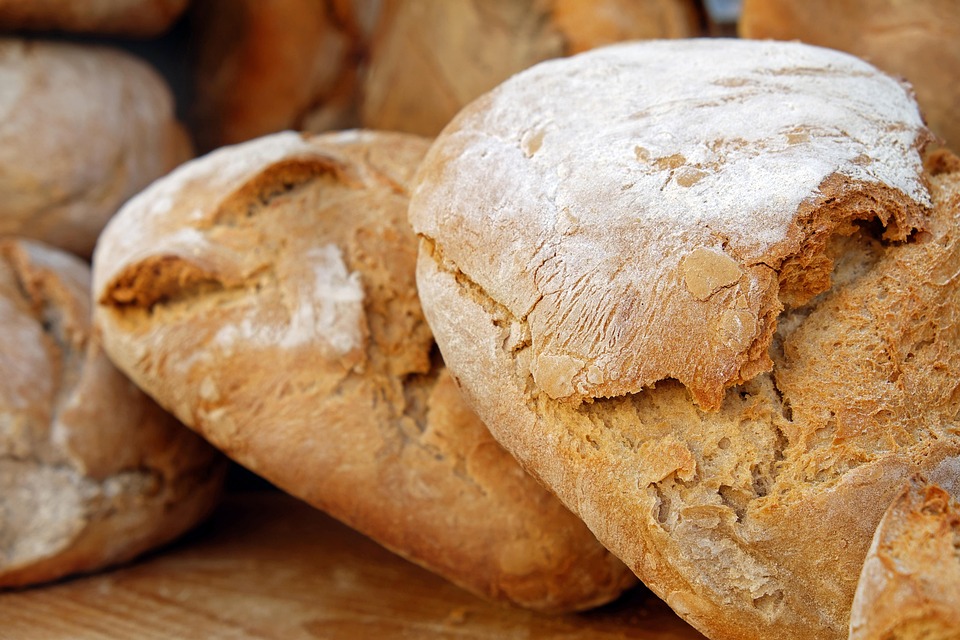

Sourdough bread has captured the attention of health enthusiasts and culinary experts alike. Its unique fermentation process not only enhances flavor but also alters its nutritional profile in ways that can support blood sugar balance. Many people struggle with blood sugar fluctuations, which can lead to symptoms such as fatigue, irritability, and cravings. Traditional bread products often exacerbate these issues due to their high glycemic index. This creates a compelling case for exploring alternatives that may offer a more stable blood sugar response. Sourdough bread emerges as a promising option due to its lower glycemic index and potential health benefits.
The fermentation process involved in making sourdough is a game-changer. It involves wild yeast and lactic acid bacteria, which work together to break down gluten and phytic acid. This breakdown can enhance the bioavailability of nutrients and lead to a slower release of sugars into the bloodstream. The result is a bread that not only tastes delicious but also contributes to a more balanced blood sugar profile. Understanding the science behind this process is crucial for those looking to manage their blood sugar effectively.
As you delve deeper into how sourdough bread supports blood sugar balance, consider its practical applications in your daily diet. Incorporating it thoughtfully can yield tangible benefits, making it a staple for those who are health-conscious. This guide will provide you with actionable steps, common pitfalls to avoid, and insights into the science that underpins these benefits.
Navigating the world of nutrition can be daunting, especially with the plethora of information available. This guide aims to clarify the role of sourdough bread in blood sugar management, providing you with a comprehensive understanding of how to make it work for you.
Contents
How to Use Sourdough for Real Results
- Best Form: Whole grain sourdough bread
- Best Time: With meals or as a snack
- Expected Result: Improved blood sugar stability
For Daily Protection
The Prep: Start with a loaf of whole grain sourdough bread. Look for options that contain minimal additives and are made with whole grains. Gather toppings like avocado, hummus, or lean protein to enhance the nutritional profile.
The Action: Toast a slice of sourdough until golden brown. Spread a generous layer of smashed avocado, sprinkled with salt and pepper. This combination offers healthy fats and fiber, which can further stabilize blood sugar levels.
The Feeling: Enjoy the crisp texture of the bread and the creamy avocado. The satisfaction lasts for hours, leaving you energized without the typical post-meal slump.
Pro Tip: Pairing sourdough with protein can amplify its blood sugar-stabilizing effects.
For Mid-Morning Energy
The Prep: Choose a slice of sourdough bread and prepare toppings like nut butter or Greek yogurt. These options provide additional protein and healthy fats.
The Action: Spread almond or peanut butter over the slice. Optionally, add sliced banana or a sprinkle of cinnamon for flavor. This creates a delicious and filling snack.
The Feeling: The combination of flavors and textures will keep you satisfied. You may notice a sustained energy level without the crash often associated with sugary snacks.
Pro Tip: Always opt for natural nut butters without added sugars for maximum benefits.
The Evening Snack
The Prep: Select a slice of sourdough bread. Gather toppings like cottage cheese or a light cheese spread.
The Action: Toast the bread lightly, then spread a layer of cottage cheese and top it with fresh herbs or sliced tomatoes. This savory option is satisfying and nutritious.
The Feeling: The creaminess of the cheese paired with the crunch of the bread creates a delightful experience. This snack can curb late-night cravings while supporting blood sugar levels.
Pro Tip: Incorporating fiber-rich toppings can help slow the digestion of carbohydrates, leading to a more gradual blood sugar response.
Common Errors to Avoid
Overlooking Ingredient Quality
Choosing low-quality sourdough can undermine its health benefits. Many commercial breads contain additives that can spike blood sugar levels. Always opt for artisanal or organic varieties made from whole grains.
The solution is to read labels carefully. Look for ingredients that include whole grains and minimal preservatives. This ensures you reap the full benefits of fermentation and nutrient availability.
Ignoring Portion Control
Even with lower glycemic index foods, portion control remains essential. Consuming large amounts of sourdough can still lead to spikes in blood sugar.
Mindful eating is key. Stick to recommended serving sizes and complement your bread with protein or healthy fats. This balance will aid in maintaining stable blood sugar levels.
Neglecting the Fermentation Process
Not all sourdough is created equal. Some store-bought varieties may not undergo traditional fermentation, losing potential health benefits.
Seek out breads that highlight their fermentation process. This ensures the presence of beneficial bacteria and enzymes that aid digestion and blood sugar balance.
The Science Behind Sourdough and Blood Sugar
The biological mechanisms that influence blood sugar levels are complex. Sourdough fermentation alters the structure of carbohydrates, making them easier to digest. This leads to a slower absorption of sugars in the bloodstream, preventing spikes.
Key compounds in sourdough, such as lactic acid, contribute to its lower glycemic index. This acid slows down the digestion of carbohydrates, allowing for a more gradual release of glucose. The presence of beneficial bacteria also enhances gut health, which plays a role in overall metabolic function.
Clinical evidence suggests that the fermentation process can significantly impact blood sugar responses. Research indicates that sourdough bread can lead to lower postprandial glucose levels when compared to conventional bread. For further reading, you can explore studies on this topic through PubMed.
Choosing the Right Product
- Potency: The fermentation process should be well-defined. This ensures that beneficial properties are present in the final product.
- Purity: Look for breads made with organic ingredients. This reduces exposure to harmful pesticides and additives.
- Form: Whole grain options are preferable. They provide additional fiber that can help with blood sugar regulation.
Benefits vs Risks
| The Benefits | Potential Downsides |
|---|---|
| Lower glycemic index compared to traditional bread. | Can still lead to blood sugar spikes if consumed in excess. |
| Improved nutrient absorption due to fermentation. | May contain gluten, which can be problematic for some individuals. |
| Supports gut health through beneficial bacteria. | Not all sourdough is created equal; quality matters. |
Healthy Lifestyle Pairings
Incorporating regular physical activity can significantly enhance the benefits of consuming sourdough. Exercise helps regulate blood sugar levels and improves insulin sensitivity.
Mindful eating practices also complement the effects of sourdough. Paying attention to hunger cues and eating slowly can enhance digestive health and prevent overeating.
Who Should Avoid This?
– Individuals with celiac disease
– Those with gluten sensitivity
– People with certain metabolic disorders
Common Questions
Can sourdough bread be part of a diabetic diet?
Yes, sourdough bread can be included in a diabetic diet when consumed in moderation and paired with protein or healthy fats.
Does sourdough contain gluten?
Yes, traditional sourdough does contain gluten, although the fermentation process may make it easier to digest for some individuals.
How often can I eat sourdough bread?
Incorporating it several times a week is generally acceptable. Pay attention to portion sizes and overall dietary balance.
Is all sourdough bread the same?
No, not all sourdough bread is created equal. Look for those made using traditional fermentation methods and whole grain ingredients.
The Bottom Line
Sourdough bread can be a useful tool for managing blood sugar levels when incorporated mindfully into your diet.
- The Truth: Quality matters, and not all sourdough offers the same benefits.
- The Strategy: Pair it with proteins or healthy fats for optimal results.
- The Next Step: Experiment with different types of whole grain sourdough to find your favorite.
Get Your FREE Natural Health Guide!
Subscribe now and receive our exclusive ebook packed with natural health tips, practical wellness advice, and easy lifestyle changes, delivered straight to your inbox.