
Contents
Sore ligaments can impact daily life significantly, leading to discomfort and restricted movement. Many individuals find themselves searching for relief, often turning to various remedies. Among these, Epsom salt baths have garnered attention for their soothing properties. This natural remedy is not just a trend; it has been used for centuries to alleviate pain and promote relaxation. Understanding how to effectively harness the benefits of Epsom salt can transform a simple bath into a therapeutic experience.
The primary component of Epsom salt is magnesium sulfate, a compound known for its muscle-relaxing properties. When dissolved in warm water, Epsom salt can penetrate the skin and enter the bloodstream, offering potential relief from soreness and inflammation. This makes it an appealing option for those struggling with ligament discomfort, whether from overuse, injury, or chronic conditions. By incorporating Epsom salt baths into your routine, you can promote recovery and enhance well-being.
Creating a routine around Epsom salt baths can also serve as a form of self-care. The act of taking a bath itself allows for a moment of pause in a busy day, promoting mental clarity and emotional well-being. When combined with the physical benefits of Epsom salt, this practice can yield a holistic approach to wellness. Establishing a regular schedule can help you find a rhythm that works for your body and lifestyle.
This guide will delve into the specifics of using Epsom salt baths to soothe your ligaments. You will discover practical applications, common mistakes to avoid, the underlying science, and more. By the end, you will have a comprehensive understanding of how to integrate this simple yet effective remedy into your life.
How to Use Epsom Salt Baths for Real Results
- Best Form: Crystalline Epsom salt
- Best Time: Evening, before bedtime
- Expected Result: Reduced pain and enhanced relaxation
For Daily Protection
The ideal setup for daily use includes pure Epsom salt and warm water. Begin by filling your bathtub with warm water, ensuring it is comfortable but not too hot. Measure out two cups of Epsom salt and have it ready at hand. Optionally, consider adding a few drops of essential oils like lavender for added relaxation.
Once your bath is prepared, pour the Epsom salt into the running water, allowing it to dissolve completely. Step into the bath and immerse yourself in the soothing water. Stay in the bath for at least 12 to 15 minutes to allow your body to absorb the magnesium effectively.
As you soak, you may feel a gentle tingling sensation as the Epsom salt begins to work. Many individuals report an initial warmth that transitions into a deep sense of relaxation. This routine can be repeated daily for optimal results.
Pro Tip: Consistency is key. Aim for at least three times a week to maximize the benefits.
Targeting Acute Pain
When dealing with acute pain, your setup may require a few extra steps. Start with the same two cups of Epsom salt, but consider using a foot bath if you want to localize treatment. Fill a basin with warm water and add the Epsom salt.
Soak your feet for about 20 minutes. If you are targeting a specific area like a knee or elbow, consider using a cloth soaked in Epsom salt solution and applying it directly to the painful area for 10 minutes before soaking.
The sensation during this treatment can vary. You may feel immediate relief as the warmth penetrates deep into your muscles and ligaments. Many users report a notable decrease in swelling and discomfort.
Pro Tip: Use a towel to dry off and avoid remaining in damp clothing, as this can detract from the relaxation experience.
The Nighttime Routine
For a nighttime ritual, gather your Epsom salt, essential oils, and a calming herbal tea. Set the mood by dimming the lights and playing soft music. Fill your tub with warm water and add two cups of Epsom salt along with a few drops of chamomile essential oil.
Immerse yourself in the bath for at least 20 minutes. Focus on your breathing, allowing the warm water and Epsom salt to ease your tension. This routine not only soothes your ligaments but also prepares your mind for restful sleep.
During this time, you may notice a profound sense of calm wash over you. The combination of heat and magnesium can lead to a tranquil state, making it easier to fall asleep afterward.
Pro Tip: Drink a cup of herbal tea post-bath to enhance relaxation and promote sleep.
Avoiding Common Errors
Using Low Quality Epsom Salt
One common mistake is opting for low-quality Epsom salt. Many products contain additives or impurities that can diminish effectiveness. Always choose pharmaceutical-grade Epsom salt for the best results.
Low-quality options may not dissolve properly or provide the expected benefits. By investing in high-quality Epsom salt, you ensure that your body receives the full spectrum of magnesium and sulfate, which are crucial for muscle and ligament recovery.
Neglecting Water Temperature
Another frequent error is using water that is too hot or too cold. High temperatures can lead to dehydration or increased inflammation, while cold water may not allow for proper absorption of magnesium.
Aim for a comfortably warm temperature that encourages relaxation without causing discomfort. Finding the right balance enhances the effectiveness of your Epsom salt bath and ensures a pleasant experience.
Inconsistent Use
Inconsistency can also undermine the benefits of Epsom salt baths. Many people try it once or twice and then abandon the practice. Regular use is essential for achieving lasting results.
Establishing a routine can help you stay committed. Consider setting reminders or pairing baths with other self-care rituals to create a holistic wellness practice.
The Science Behind Epsom Salt
The biological mechanism of Epsom salt baths revolves around magnesium sulfate. When dissolved in water, this compound can penetrate the skin and enter the bloodstream. Magnesium plays a vital role in various bodily functions, including muscle relaxation and anti-inflammatory processes.
The key compound in Epsom salt, magnesium, is essential for maintaining healthy muscle and nerve function. It helps regulate calcium levels, which can prevent muscle cramps and spasms. This regulation is particularly beneficial for individuals experiencing ligament pain.
Clinical studies have shown that magnesium can significantly reduce inflammation and promote recovery. For further reading, you can explore the evidence in detail at PubMed.
Choosing the Right Product
- Potency: Higher concentrations of magnesium sulfate can lead to more effective results. Look for products that clearly state their magnesium content.
- Purity: Ensure that the Epsom salt is free from additives or fillers. Pure Epsom salt offers the best therapeutic benefits.
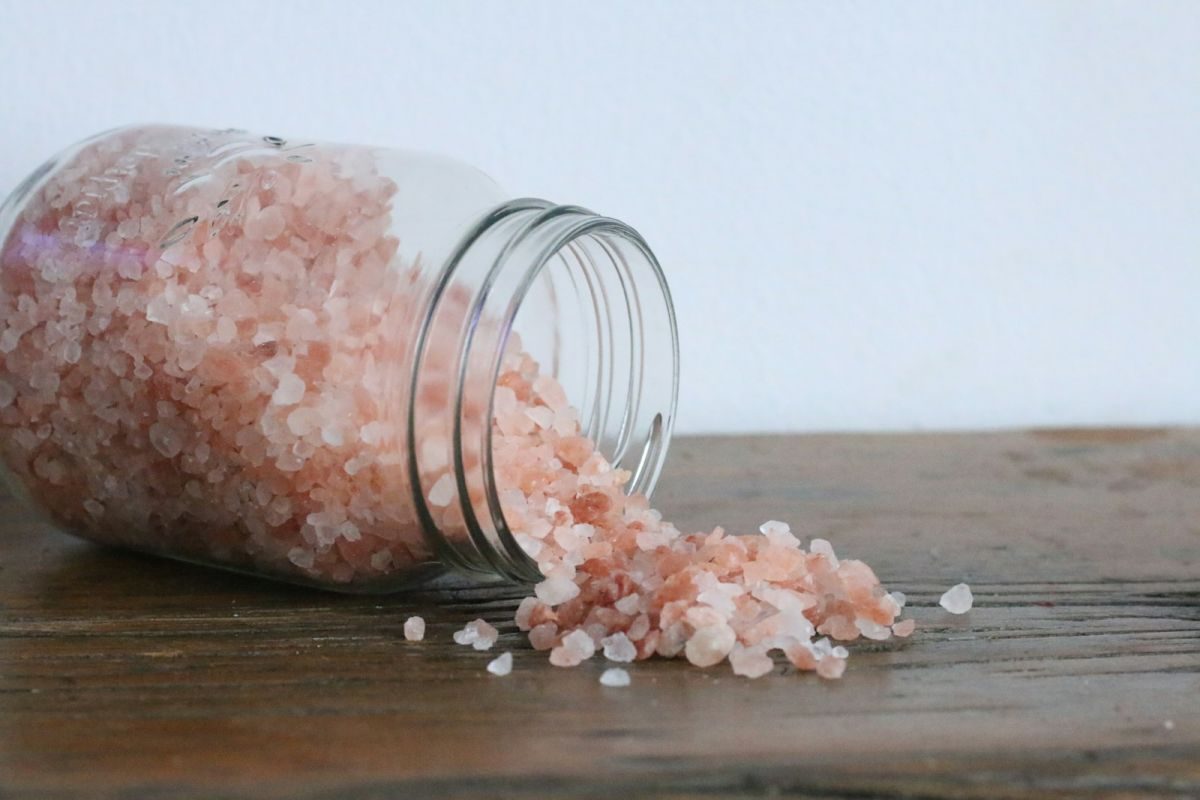
- Form: Choose crystalline Epsom salt for bathing. Liquid forms may contain additional ingredients that could interfere with absorption.
Benefits vs Risks
| The Benefits | Potential Downsides |
|---|---|
| Relieves muscle tension and soreness | May cause skin irritation in sensitive individuals |
| Promotes relaxation and reduces stress | Overuse can lead to dehydration |
| Supports recovery from injuries | Not suitable for everyone, especially those with certain medical conditions |
Complementary Lifestyle Habits
Pairing Epsom salt baths with regular stretching can enhance flexibility and reduce tension in ligaments. Incorporating gentle yoga or Pilates into your routine can further support overall muscle health.
Mindfulness practices, such as meditation or deep breathing exercises, can also complement your bath routine. These practices promote mental clarity and emotional well-being, amplifying the relaxing effects of your Epsom salt baths.
Who Should Avoid This?
– Individuals with kidney problems or severe kidney disease
– Pregnant women without consulting a healthcare provider
– Those with open wounds or skin infections
– People with certain heart conditions or severe dehydration
Common Questions
How often can I take Epsom salt baths?
You can safely take Epsom salt baths two to three times a week, depending on your needs and comfort level.
Can I use Epsom salt in a foot bath?
Yes, Epsom salt is effective in foot baths. Just use one cup of Epsom salt in warm water for a soothing soak.
Is it safe for children?
While Epsom salt baths can be safe for children, consult a healthcare provider for specific recommendations regarding dosage and frequency.
What should I do if my skin reacts?
If you experience irritation, discontinue use and consult a healthcare professional. Consider patch testing a small area before a full bath.
The Bottom Line
Epsom salt baths can be a valuable addition to your wellness routine for soothing ligaments and promoting relaxation.
- The Truth: While effective, results may vary among individuals.
- The Strategy: Utilize Epsom salt baths in the evening for optimal benefits.
- The Next Step: Consider integrating gentle stretching or yoga into your routine.
Get Your FREE Natural Health Guide!
Subscribe now and receive our exclusive ebook packed with natural health tips, practical wellness advice, and easy lifestyle changes, delivered straight to your inbox.