
Contents
Green tea has been celebrated for centuries, not just for its delightful taste but also for its myriad health benefits. Among these benefits, relief from joint inflammation stands out as particularly compelling. Joint pain can significantly disrupt daily life, affecting mobility and overall well-being. Many individuals seek alternatives to conventional medications due to side effects or ineffectiveness. This creates an opportunity to explore natural remedies that can provide relief without the risks associated with pharmaceuticals.
Sipping green tea offers a dual advantage. It not only serves as a soothing beverage but also contains powerful compounds that may help combat inflammation. The desire for a holistic approach to health is growing, and green tea fits perfectly into this trend. By understanding how to harness its benefits, individuals can take proactive steps toward managing joint inflammation effectively. This guide aims to provide a detailed exploration of how green tea can be utilized in daily routines to alleviate discomfort and improve quality of life.
Incorporating green tea into your wellness regimen is not merely about drinking a cup. It requires an understanding of its properties, optimal usage, and potential pitfalls. Knowing how to properly prepare and consume green tea can amplify its anti-inflammatory effects, making it a valuable ally in the quest for joint health. This guide will delve into practical applications and scientific insights to ensure that you can effectively integrate green tea into your lifestyle.
As we journey through the intricate relationship between green tea and joint inflammation, readers will gain actionable insights that can lead to real results. The aim is to empower individuals with knowledge and strategies that promote overall health while specifically targeting joint discomfort.
How to Use Green Tea for Real Results
- Best Form: Loose leaf or high-quality tea bags.
- Best Time: Morning or early afternoon.
- Expected Result: Reduced joint pain and improved mobility.
For Daily Protection
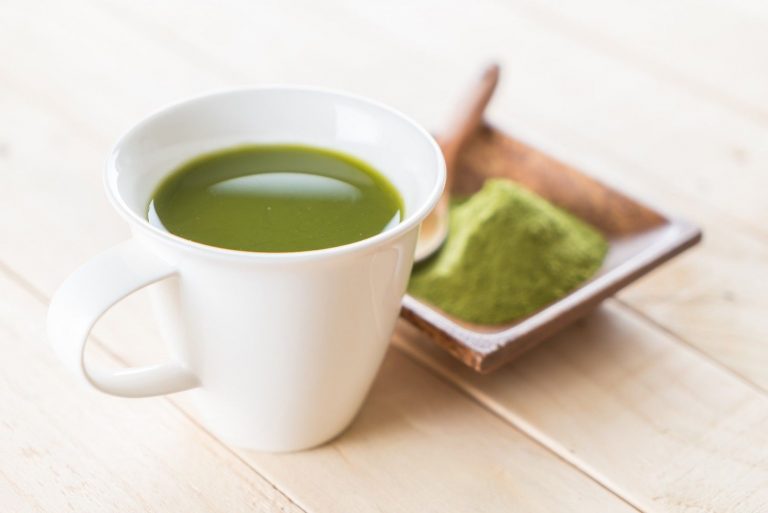
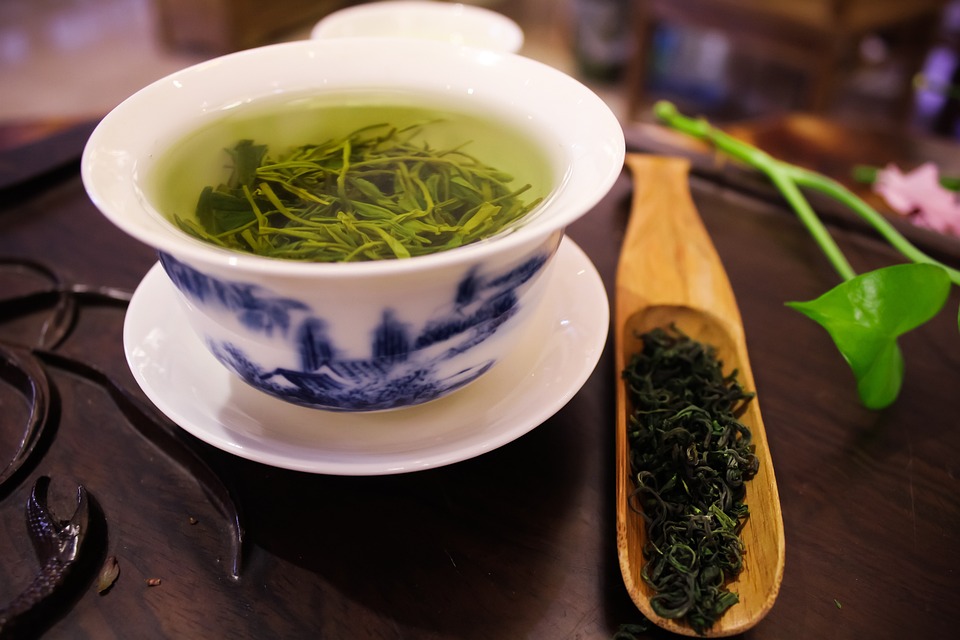
The Prep: Start with high-quality loose leaf green tea or premium tea bags. Measure one teaspoon of loose tea or use one tea bag per cup. Gather fresh, filtered water and a kettle to bring the water to a boil. Allow the water to cool slightly to about 175°F before brewing.
The Action: Pour the hot water over the tea leaves or tea bag in a cup. Steep for three to five minutes to extract the beneficial compounds. Strain the leaves if using loose tea. Enjoy the tea as is or add a splash of lemon for enhanced flavor and additional antioxidants.
The Feeling: Upon sipping, a gentle warmth spreads through the body. The subtle vegetal notes create a calming effect, while the antioxidants begin to work on reducing inflammation. Expect to feel a sense of relaxation that lasts for several hours. Bold Pro Tip: Experiment with different brands to find the flavor profile that you enjoy the most.
Targeting Acute Pain
The Prep: For acute flare-ups, consider making a concentrated green tea infusion. Use two teaspoons of loose leaf green tea per cup, along with fresh ginger for its anti-inflammatory properties. Gather your ingredients and prepare fresh, filtered water.
The Action: Boil the water and let it cool slightly. Combine the tea and ginger in a teapot or infuser. Pour the hot water over the mixture and steep for five to seven minutes. Strain the tea before drinking. This concentrated brew may be taken in smaller amounts throughout the day to maintain its effects.
The Feeling: As you sip this infusion, the ginger adds a warming sensation that complements the green tea. The combined effects can lead to a noticeable reduction in discomfort, often felt within 30 minutes. Bold Pro Tip: Drinking this infusion twice daily during flare-ups may yield better results.
The Nighttime Routine
The Prep: Wind down your day with a soothing cup of green tea. Choose a decaffeinated variety to ensure a restful night. Gather one teaspoon of loose tea or one bag, along with your favorite mug and filtered water.
The Action: Heat the water to just below boiling. Add the tea to your mug and pour the hot water over it. Let it steep for three to four minutes. Enjoy this calming ritual before bedtime, allowing the tea to cool slightly before drinking.
The Feeling: The warmth of the tea will envelop you, creating a sense of peace. The antioxidants will help soothe any lingering discomfort from the day, promoting relaxation. You may notice a better quality of sleep as a result. Bold Pro Tip: Pair this routine with gentle stretching to further enhance relaxation.
Common Errors to Avoid
Using Low-Quality Herbs
Opting for low-quality green tea can undermine its potential benefits. Many commercially available options are filled with dust or broken leaves, which contain fewer nutrients. This can lead to ineffective results in managing inflammation. Always choose premium brands that use whole leaves to maximize the health benefits.
Improving your selection process involves researching brands that prioritize quality. Look for organic certifications and customer reviews that highlight flavor and effectiveness. Investing in high-quality green tea pays off in the long run, as it enhances the overall experience and health benefits.
Oversteeping the Tea
Oversteeping green tea can lead to bitterness, detracting from the flavor and enjoyment. This bitterness can also signal the release of tannins, which may counteract some of the tea’s health benefits. Following the recommended steeping time is crucial for optimal flavor and health effects.
To avoid this mistake, set a timer when brewing your tea. Stick to the recommended steeping duration to ensure a pleasant taste and maximum antioxidant extraction. The right balance ensures that you reap the full benefits without compromising flavor.
Neglecting Proper Storage
Improper storage of green tea can lead to a loss of flavor and potency. Exposure to light, air, and moisture can degrade the quality of the leaves over time. If not stored correctly, the tea may lose its anti-inflammatory properties, rendering it less effective.
To preserve freshness, store green tea in an airtight container in a dark, cool place. Avoid keeping it in the pantry next to strong spices or other aromatic foods. Proper storage will extend its shelf life and maintain its beneficial properties.
The Mechanisms of Green Tea
Green tea’s effects on joint inflammation can be attributed to its rich composition of bioactive compounds, particularly catechins. These compounds interact with inflammatory pathways in the body, reducing the production of pro-inflammatory cytokines. This biological mechanism helps alleviate symptoms associated with joint pain and inflammation.
One of the most studied catechins in green tea is epigallocatechin gallate, commonly known as EGCG. This compound has powerful anti-inflammatory and antioxidant properties. Research suggests that EGCG can inhibit the activity of enzymes that contribute to inflammation, providing a natural means to manage joint discomfort effectively.
Clinical studies have demonstrated the efficacy of green tea in reducing inflammation. A systematic review highlighted the potential benefits of green tea in managing osteoarthritis and rheumatoid arthritis. For more detailed insights, visit PubMed. The findings emphasize the importance of incorporating green tea as a complementary approach to conventional treatments for joint inflammation.
Choosing the Right Product
– **Potency:** Higher concentrations of catechins indicate a more potent product. Choosing a tea with higher catechin levels can lead to better health outcomes.
– **Purity:** Look for organic certifications to ensure that the tea is free from harmful pesticides and additives. This is crucial for maximizing health benefits and minimizing potential risks.
– **Form:** Loose leaf teas generally offer better quality compared to tea bags. Loose leaves allow for better infusion and extraction of beneficial compounds, enhancing the overall experience.
Benefits vs Risks
| The Benefits | Potential Downsides |
|---|---|
| Rich in antioxidants that combat inflammation | May cause digestive upset in sensitive individuals |
| Can improve joint mobility and reduce pain | Caffeine content may disrupt sleep if consumed late |
| Supports overall health and well-being | Quality varies significantly between brands |
Habits for Enhanced Benefits
Regular physical activity complements the anti-inflammatory effects of green tea. Engaging in low-impact exercises such as walking or swimming can improve joint health and enhance mobility. Routine movement helps to keep joints flexible and can amplify the benefits of green tea.
Mindfulness practices such as yoga or meditation can also be beneficial. These practices help manage stress, which can exacerbate inflammation. Incorporating these habits alongside green tea consumption can lead to improved overall well-being.
Who Should Avoid This?
– Individuals with caffeine sensitivity should exercise caution.
– Those on anticoagulant medications should consult their healthcare provider.
– Pregnant or breastfeeding women should limit intake due to caffeine content.
– People with certain gastrointestinal conditions may need to avoid green tea.
Common Questions
Can green tea help with arthritis?
Yes, studies have shown that the anti-inflammatory properties of green tea can provide relief for arthritis symptoms.
How much green tea should I drink daily?
Aiming for 2 to 3 cups per day is generally recommended to reap health benefits.
Is there a best time to drink green tea?
Morning or early afternoon is ideal, as caffeine can disturb sleep if consumed later in the day.
Can I add sweeteners to my green tea?
While it is possible, using natural sweeteners like honey is preferable to maintain health benefits.
The Final Thoughts
Integrating green tea into your routine can be a powerful strategy for managing joint inflammation.
- The Truth: The effectiveness of green tea can vary based on individual response and quality.
- The Strategy: Consuming it consistently during the day can maximize its benefits.
- The Next Step: Pair green tea with movement for enhanced effects on joint health.
Get Your FREE Natural Health Guide!
Subscribe now and receive our exclusive ebook packed with natural health tips, practical wellness advice, and easy lifestyle changes, delivered straight to your inbox.