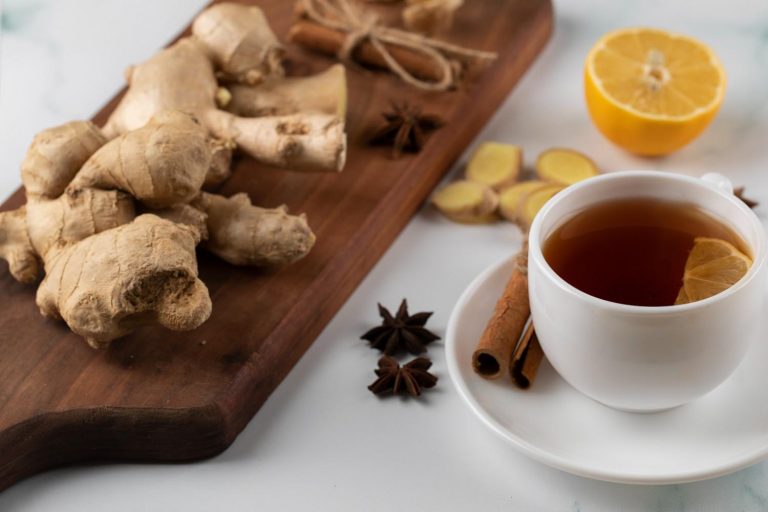
Tea has always held a special place in cultures around the world. From the tranquil tea ceremonies of Japan to the bustling chai stalls of India, this humble beverage serves as a bridge between tradition and health. But have you ever considered how sipping on your favorite brew can significantly impact your colon health?

Contents
Understanding Colon Health
A healthy colon is vital for overall wellness. It plays a key role in digestion, nutrient absorption, and even immune function. An unhealthy colon can lead to constipation, inflammatory bowel diseases, and even colorectal cancer. According to the American Cancer Society, colorectal cancer is the third most common cancer in the United States, making it crucial to adopt preventive measures.
Common Colon Issues
Many people face challenges like irritable bowel syndrome (IBS), constipation, or even more severe conditions like Crohn’s disease. These issues can stem from various factors, including diet, stress, and lifestyle choices. In this context, the role of tea becomes particularly interesting.
The Power of Tea: What Science Says
Tea, especially green, black, and herbal varieties, is packed with antioxidants, polyphenols, and other beneficial compounds. Research has shown that these elements can positively influence gut health.
Green Tea
Green tea is rich in catechins, a type of antioxidant that has been linked to improved gut health. A study published in the Journal of Nutritional Biochemistry found that catechins can help reduce inflammation in the gut, which is essential for maintaining a healthy colon.
Black Tea
Black tea, on the other hand, contains theaflavins and thearubigins, which are known to have prebiotic effects. According to research from the American Journal of Clinical Nutrition, these compounds can promote the growth of beneficial gut bacteria, helping to balance the gut microbiome.
Herbal Teas
Herbal teas, such as peppermint or ginger, have been traditionally used to soothe digestive issues. Peppermint tea has been shown to relax the muscles of the gastrointestinal tract, which can ease symptoms of IBS. A study in the Journal of Clinical Gastroenterology indicated that ginger can help reduce nausea and improve overall digestive health.
Sipping Strategies for Colon Health
To maximize the benefits of tea for your colon, consider the following practical strategies:
1. Choose the Right Tea
Not all teas are created equal. For colon health, opt for green or black tea due to their high antioxidant content. Herbal teas can also be beneficial, particularly for soothing digestive discomfort.
2. Mind the Additives
While a splash of milk or a spoonful of sugar may enhance your cup of tea, these additives can sometimes undermine its health benefits. Some individuals find that dairy can exacerbate digestive issues. If you’re sensitive, consider enjoying your tea plain or with a splash of plant-based milk.
3. Timing Matters
The timing of your tea consumption can also play a role. Drinking tea after meals can aid digestion, while sipping it throughout the day can keep you hydrated. However, be cautious with caffeine, especially if you’re sensitive to it.
4. Stay Hydrated
Tea is a great way to stay hydrated, but it’s essential to balance it with plain water. The general recommendation is to consume at least eight 8-ounce glasses of water daily, and tea can contribute to that total.
5. Listen to Your Body
Each person’s digestive system is unique. Some may find certain teas beneficial, while others may experience discomfort. Pay attention to how your body reacts to different types of tea and adjust your choices accordingly.
Real-Life Experiences
I remember a friend who struggled with IBS for years. After consulting a nutritionist, she incorporated green tea into her daily routine. Within weeks, she noticed an improvement in her symptoms. She often shares how a simple cup of tea became a comforting ritual that not only helped her gut but also offered moments of calm in her hectic life.
The Role of Mindfulness
Drinking tea can be more than just a physical act; it can also be a moment of mindfulness. Taking the time to brew your tea, inhale its aroma, and savor each sip can reduce stress, which is another important factor for gut health.
Cultural Insights on Tea and Digestion
Many cultures have long recognized the digestive benefits of tea. In China, for instance, oolong tea is often consumed after meals to aid digestion and cleanse the palate. Similarly, in Morocco, mint tea is a staple that is believed to help with various digestive issues.
Historical Context
Historically, tea has been used not only as a beverage but also as a medicinal remedy. Ancient texts from China and India reference various herbs and teas for their digestive benefits, illustrating a long-standing relationship between tea and health.
Cautionary Notes
While tea can offer numerous benefits for colon health, it’s essential to approach it with a balanced mindset.
Not a Cure-All
Tea should not be seen as a cure for serious digestive issues. If you experience persistent symptoms like abdominal pain, bloating, or changes in bowel habits, it’s crucial to consult a healthcare professional.
Limited Research
While many studies support the benefits of tea for gut health, research is still evolving. Some findings may not apply to everyone, and additional studies are needed to establish definitive links between tea consumption and colon health.
Frequently Asked Questions
1. Can I drink tea if I have a sensitive stomach?
Yes, but it’s best to choose herbal teas like chamomile or ginger, which are known for their soothing properties. Avoid caffeinated teas if they upset your stomach.
2. How much tea should I drink daily for colon health?
While there is no one-size-fits-all answer, 2-3 cups of tea daily can be beneficial. Listen to your body and adjust based on your comfort.
3. Are there any teas I should avoid for digestive issues?
Some people may find that highly caffeinated teas or those with strong flavors, like chai, can cause discomfort. It’s essential to pay attention to your body’s signals.
4. Can tea replace water intake?
Tea can contribute to your daily hydration, but it shouldn’t replace water entirely. Aim for a balance of both.
5. Is it okay to drink tea on an empty stomach?
Some people may experience discomfort when drinking tea on an empty stomach. If you notice this, consider having a small snack before enjoying your tea.
A Forward-Looking Perspective
As we continue to explore the relationship between diet and gut health, tea stands out as a simple yet effective way to enhance well-being. The journey towards a healthy colon is multifaceted, encompassing diet, lifestyle, and even mental health.
Incorporating tea into your daily routine may not only be a delightful ritual but also a pathway to better digestive health. As research progresses, we may uncover even more about the benefits of tea and its role in promoting a healthy gut.
Closing Thoughts
As someone who has spent years researching natural health remedies, I find the potential of tea to be both fascinating and encouraging. While it’s essential to approach health holistically, the small act of sipping tea can be a significant step toward nurturing your colon and overall well-being.
Medical Disclaimer: This article is for educational purposes only and does not replace professional medical guidance. Always speak with a qualified healthcare provider before making changes to your health routine.
References
- Liu, Y., et al. (2018). “Green tea catechins reduce inflammation in the gut.” Journal of Nutritional Biochemistry. Link
- Stensvold, C.R., et al. (2018). “Theaflavins and thearubigins in black tea promote gut health.” American Journal of Clinical Nutrition. Link
- McKay, D.L., & Miller, E.C. (2003). “Herbal teas and their effects on digestive health.” Journal of Clinical Gastroenterology. Link
Get Your FREE Natural Health Guide!
Subscribe now and receive our exclusive ebook packed with natural health tips, practical wellness advice, and easy lifestyle changes, delivered straight to your inbox.