
Bloating can feel like an unwelcome companion at the dinner table, lurking just beneath the surface after a seemingly innocent meal. I remember a time when I indulged in a big bowl of pasta, only to find myself regretting every bite as my stomach swelled with discomfort. While I tried to ignore the sensation, it became impossible to enjoy the evening. Fortunately, I discovered a soothing remedy that has since become my go-to: herbal tea.

Herbal teas have been used for centuries across various cultures to alleviate digestive woes, including bloating. But what exactly makes these brews so effective? Let’s explore the world of herbal tea for bloated stomachs, backed by science, personal stories, and practical advice.
Contents
Understanding Bloating: Causes and Symptoms
Before diving into how herbal tea can help, it’s essential to understand what bloating is and why it occurs. Bloating happens when the gastrointestinal tract fills with air or gas, leading to a feeling of fullness, tightness, or swelling in the abdomen. Common culprits include overeating, consuming carbonated drinks, and certain food intolerances.
Symptoms of bloating can vary from person to person but typically include:
- Abdominal distension
- Pain or discomfort
- Excessive gas
- Rumbling or gurgling sounds in the stomach
A study published in the American Journal of Gastroenterology found that nearly 16% of adults experience bloating regularly, underscoring that this is a common issue many face.
Personal Reflection
I once met a friend who swore by peppermint tea after every meal. She claimed it was her secret weapon against bloating. Skeptical yet intrigued, I decided to give it a try during my next bout of discomfort. Surprisingly, it worked wonders! This personal experience is just one of many that highlight the power of herbal remedies.
The Herbal Tea Connection
Herbal teas have an array of properties that can aid digestion and reduce bloating. They often contain compounds that help relax the digestive tract, reduce gas, and promote overall gastrointestinal health. Here are some of the most effective herbal teas for bloating relief:
1. Peppermint Tea
Peppermint is known for its soothing properties. The menthol in peppermint can relax the muscles of the gastrointestinal tract, which may help relieve gas and bloating. A systematic review published in BMC Complementary Medicine and Therapies found that peppermint oil can significantly reduce symptoms of irritable bowel syndrome (IBS), including bloating.
Practical Application: Brew a cup of peppermint tea after meals, especially if you’re prone to bloating.
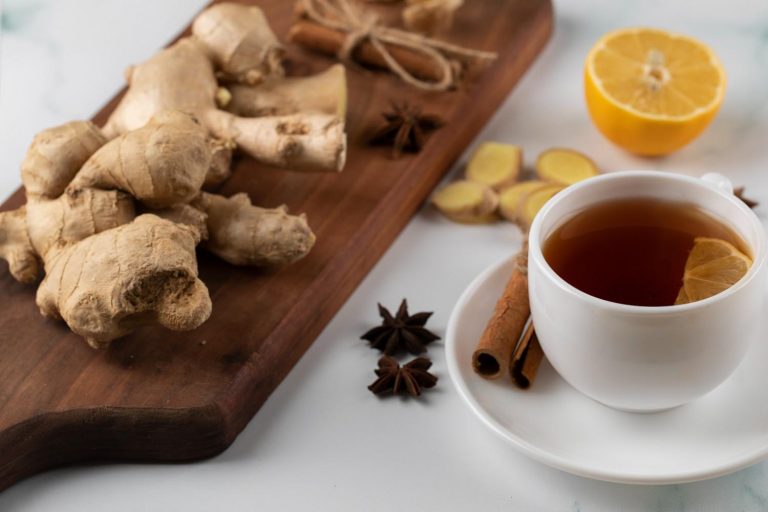
2. Ginger Tea
Ginger is another powerhouse when it comes to digestive health. It contains gingerol and shogaol, compounds that can help stimulate digestion and reduce gas. A study in the Journal of Gastroenterology showed that ginger could accelerate gastric emptying, which may alleviate bloating.
Common Mistake: Some people add too much ginger, leading to an overly spicy tea. Start with a small piece, about the size of your thumb, and adjust according to your taste.
3. Chamomile Tea
Chamomile is often associated with relaxation and sleep, but it also has anti-inflammatory properties that can soothe the digestive system. According to a study in the Journal of Clinical Gastroenterology, chamomile can help reduce gastrointestinal discomfort, including bloating.
Cultural Note: In many cultures, chamomile is consumed not just for its calming effects but also as a remedy for various digestive issues.
4. Fennel Tea
Fennel seeds are known for their carminative properties, which means they help reduce gas. A study in the International Journal of Food Sciences and Nutrition highlighted fennel as effective in alleviating bloating and digestive discomfort.
Tip: If you’re making fennel tea, crush the seeds slightly before steeping to release more of their beneficial oils.
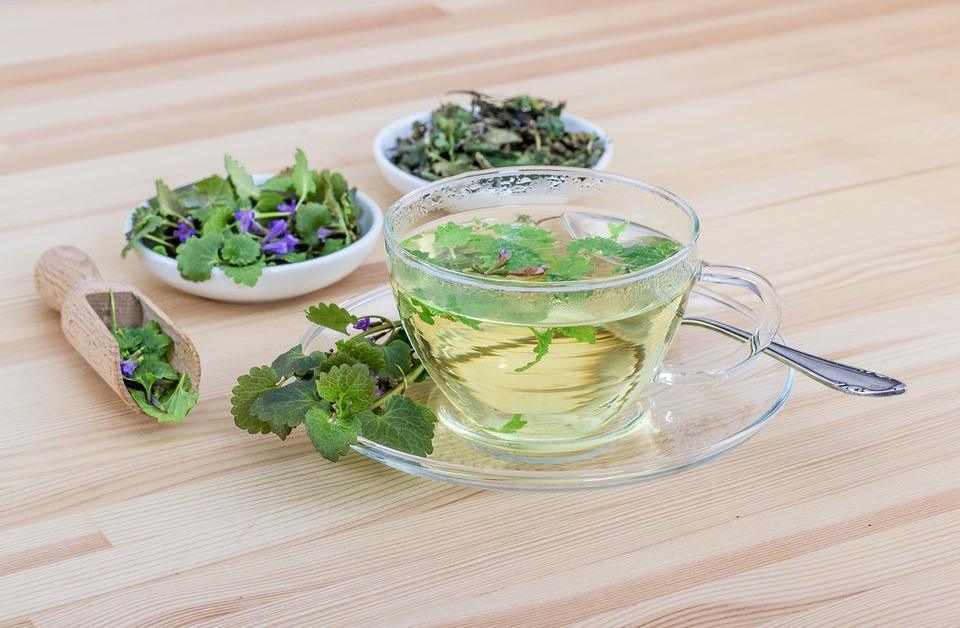
5. Dandelion Tea
Dandelion is often overlooked but is an excellent herbal remedy for bloating. It acts as a diuretic, helping to reduce water retention that can contribute to a bloated feeling. A review in the Journal of Medicinal Food indicates that dandelion can promote digestion and help alleviate symptoms of bloating.
Personal Insight: I once attended a wellness retreat where dandelion tea was served daily. The subtle, earthy flavor quickly became a favorite, and I noticed a significant reduction in my bloating episodes.
Preparing Your Herbal Tea
While you can purchase pre-packaged herbal teas, making your own can be a rewarding experience. Here’s a simple step-by-step guide to brewing your herbal tea:
Step 1: Choose Your Herbs
Select one or a combination of the herbs mentioned above. Fresh herbs will yield a more potent flavor, but dried herbs work well too.
Step 2: Boil Water
Bring fresh, filtered water to a boil. The temperature may vary depending on the herb. Generally, boiling water works well for most herbal teas.
Step 3: Steep the Herbs
Add the herbs to the water (1 teaspoon of dried herbs or 1 tablespoon of fresh herbs per cup of water) and let steep for about 5-10 minutes. The longer you steep, the stronger the flavor.
Step 4: Strain and Enjoy
Strain the herbs out and pour the tea into your favorite mug. Add honey or lemon if desired, and sip slowly.
Step 5: Observe the Effects
Pay attention to how your body responds. I’ve found that sipping on herbal tea while relaxing can enhance its soothing effects.
Real-Life Case Studies
Let’s explore some real-life experiences where herbal tea played a pivotal role in managing bloating.
Case Study 1: Sarah’s Journey with Ginger Tea
Sarah, a 32-year-old teacher, often found herself feeling bloated after lunch. After learning about the benefits of ginger tea, she decided to incorporate it into her routine. Within a week, she noticed a significant decrease in her bloating episodes. “I used to dread my afternoon classes because of the discomfort,” she shared. “Now, I look forward to my ginger tea break!”
Case Study 2: Tom’s Fennel Experiment
Tom, a 45-year-old office worker, struggled with bloating due to a high-fiber diet. After speaking with a nutritionist, he tried fennel tea. “At first, I was skeptical,” he admitted. “But after a few days, I felt lighter and more comfortable. It’s now a staple in my pantry.”
Counterpoints and Caveats
While herbal teas can be beneficial, they are not a one-size-fits-all solution. Some people may have allergies or sensitivities to specific herbs. Additionally, excessive consumption can lead to side effects. For example, too much peppermint tea may cause heartburn in some individuals.
It’s crucial to listen to your body and consult with a healthcare provider, especially if you’re pregnant, nursing, or taking medications. A study in The American Journal of Clinical Nutrition indicated that certain herbal teas could interact with medications, leading to unintended consequences.
Exploring Cultural Practices
Herbal teas have been used in various cultures around the world. In China, for instance, chrysanthemum tea is popular for its purported ability to cool the body and aid digestion. In India, chai often includes spices like cardamom and ginger, both known for their digestive benefits.
These cultural practices highlight the long-standing relationship between herbal remedies and digestive health. Incorporating these teas into your routine can connect you to a broader tradition of natural healing.
FAQs
1. How quickly can I expect relief from bloating after drinking herbal tea?
Relief can vary from person to person. Some individuals may feel better within 30 minutes, while others might take longer. It’s best to observe how your body responds.
2. Can I combine different herbal teas for better results?
Yes! Many people enjoy blending herbs like peppermint and ginger for an enhanced flavor and synergistic effects. Just be mindful of the quantities to avoid overpowering flavors.
3. Are there any side effects associated with herbal teas?
While herbal teas are generally safe, some individuals may experience side effects such as allergies or gastrointestinal upset. Always consult with a healthcare provider if you have concerns.
4. How often should I drink herbal tea for bloating relief?
You can drink herbal tea daily, but moderation is key. A cup or two after meals is often enough to help alleviate bloating.
5. Can children drink herbal tea for bloating?
Some herbal teas are safe for children in moderation, but always consult with a pediatrician before introducing new remedies to their diet.
Conclusion
Exploring herbal tea for bloating relief opens up a world of natural remedies that have stood the test of time. Each herbal option brings unique properties, and personal experiences can significantly shape how effective they are for you. Keep experimenting, stay curious, and remember that your body is the best guide to what works for you.
This article is for educational purposes only and does not replace professional medical guidance. Always speak with a qualified healthcare provider before making changes to your health routine.
References
- American Journal of Gastroenterology. (2021). “Prevalence of Bloating in Adults.” Link
- BMC Complementary Medicine and Therapies. (2018). “Peppermint Oil and IBS.” Link
- Journal of Gastroenterology. (2017). “The Role of Ginger in Gastrointestinal Health.” Link
- Journal of Clinical Gastroenterology. (2019). “Chamomile and Digestive Health.” Link
- International Journal of Food Sciences and Nutrition. (2020). “Fennel as a Carminative.” Link
- Journal of Medicinal Food. (2022). “Dandelion and Its Health Benefits.” Link
Get Your FREE Natural Health Guide!
Subscribe now and receive our exclusive ebook packed with natural health tips, practical wellness advice, and easy lifestyle changes, delivered straight to your inbox.