Cultivating Saliva Production Naturally Through Everyday Habits
Most of us take the moisture in our mouths for granted until it suddenly disappears. Dryness often stems from subtle shifts in hydration, environmental factors, or the natural aging process of our oral tissues. Understanding how to manage this state keeps our comfort levels stable.
Many people find that simple adjustments to their routine restore comfort and ease. Focusing on consistent fluid intake and sensory cues often creates a noticeable shift in how the mouth feels throughout the day. These adjustments are manageable and often yield immediate results for overall oral wellness.
You can encourage healthy fluid secretion by staying hydrated, choosing specific textured foods, and utilizing sensory triggers like tart flavors. These methods work by signaling the glands to release more moisture without the need for synthetic intervention.
Key Takeaways
- Healthy individuals typically produce between 0.5 and 1.5 liters of oral fluids daily.
- Chewing sugar-free gum containing xylitol can increase flow rates by up to 20 percent compared to baseline levels.
- Resting flow rates often drop below 0.1 milliliters per minute during periods of dehydration or stress.
Six Simple Ways To Stimulate Saliva Production Naturally
- Increase Water Intake: Dehydration remains a leading cause of a parched mouth. Sip water consistently throughout your morning and afternoon to ensure tissues remain hydrated.
- Select Crunchy Produce: Eating firm fruits like crisp apples or raw carrots provides mechanical stimulation. This physical action sends signals to the glands to release more fluid.
- Incorporate Tart Flavors: Acids found in lemons or limes act as potent triggers for glands. A small squeeze of fresh lemon juice into your water offers an immediate response.
- Utilize Sugar-Free Gum: The act of continuous chewing forces the oral structures to work. Choose options with xylitol to support dental health while you increase flow.
- Minimize Salt Intake: High sodium consumption contributes to systemic water loss. Reducing heavy salt use helps retain moisture levels across all mucous membranes.
- Breathe Through Your Nose: Mouth breathing dries out the oral cavity rapidly. Focus on nasal respiration during exercise to prevent the evaporation of natural lubricants.
Analyzing Oral Flow And Moisture Balance
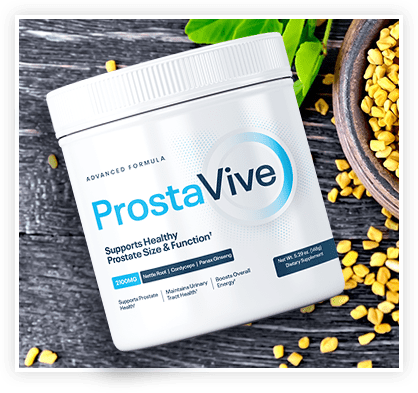
Prostavive™ Nutritional Support Formula
- Designed to support natural urinary rhythm and maintain normal nighttime habits
- Helps sustain uninterrupted rest and daily comfort against fragmented sleep
- Manufactured in a cGMP-compliant, FDA-registered facility without harsh synthetics
Data suggests that our oral environment relies on a delicate balance of electrolytes and fluid volume. Research from the National Institutes of Health indicates that proper flow protects soft tissues from physical irritation. Keeping this system active is essential for long term comfort.
When flow rates decrease, the protective film on our teeth becomes thin. This leaves the mouth feeling sticky or uncomfortable. Monitoring these small changes allows for proactive adjustments to your wellness approach.
| Trigger Category | Primary Effect | Typical Result |
|---|---|---|
| Mechanical Action | Physical stimulation | Steady fluid release |
| Gustatory Input | Flavor signaling | Rapid onset secretion |
| Systemic Hydration | Baseline support | Consistent daily volume |
The Mechanics Of A Well Hydrated Oral Environment
Understanding the interplay between your nervous system and glandular function helps demystify the process. Scientific reports from the National Library of Medicine confirm that sensory nerves react quickly to external stimuli. These nerves relay messages to the brain to prompt a release of moisture.
You can view your oral health as a reflection of your overall systemic state. When your body experiences stress or fatigue, these systems often slow down. Managing these factors contributes to a more balanced internal environment.
Practical Demonstration Of Moisture Optimization
You can measure your own progress by tracking your habits over a set period. Start by recording your baseline level of dryness throughout the day. Then, implement one change from our list for a full week.
If you choose to chew gum, record the number of times you feel the need to sip water. A decrease in sips indicates your flow has become more efficient. Continue this process until you find the routine that feels most effective for your lifestyle.
Lifestyle Factors Influencing Fluid Levels
Environmental conditions like dry air or high altitude play a role in how fast moisture evaporates. Using a humidifier in your bedroom during winter months serves as a practical solution. These tools prevent the air from stripping humidity from your body.
Studies found in the PubMed central database highlight how sleep quality impacts oral moisture. A restful night often allows the body to regulate its natural rhythms properly. Poor sleep or high stress levels frequently correlate with an increase in oral dryness.
Frequently Asked Questions
Can caffeine impact the volume of oral moisture?
Caffeine acts as a mild diuretic which might affect your overall systemic hydration status. If you find your mouth feels dry after your morning coffee, increase your plain water consumption to balance the effect.
The total volume of fluids consumed throughout the day is more important than avoiding caffeine entirely. Focus on sipping water alongside your coffee to maintain a balanced level of moisture in your mouth.
Does the type of toothbrush used affect comfort?
Aggressive brushing can irritate the delicate tissues inside your mouth. Using a soft bristled brush helps preserve the integrity of your gums and oral linings.
Keeping these tissues healthy allows for more efficient natural moisture maintenance. Gentle care prevents the microscopic damage that often leads to a persistent feeling of discomfort or dryness.
Is there a connection between age and dryness?
Many people notice that their oral tissues feel different as they move through different life stages. While this change is common, it is not something that you must simply accept without adjustments.
Prioritizing consistent hydration and healthy eating helps keep the oral cavity comfortable regardless of your age. Small changes to your daily routine provide significant support for your long term comfort.
Will breathing exercises provide any benefit?
Focusing on slow and deliberate nasal breathing encourages the oral cavity to stay closed. This prevents the rapid evaporation of fluids that occurs when you breathe through your mouth.
Practicing these exercises for a few minutes each day helps you build a habit of nasal respiration. This simple shift is often sufficient to notice a positive change in your oral comfort levels.
Are certain vitamins relevant for oral tissue health?
Maintaining a balanced intake of nutrients is essential for the health of all mucous membranes. Vitamins such as A and B12 play a role in the function of these protective tissues.
Eating a diverse diet rich in whole foods ensures you receive the vitamins necessary for healthy cell maintenance. You should aim for a variety of vegetables, fruits, and proteins to support your total body wellness.
The Bottom Line
Maintaining comfortable moisture levels is a matter of consistent daily habits. By staying hydrated, choosing crunchy snacks, and monitoring your breathing, you support your body in its natural functions.
Experiment with these saliva production naturally techniques to see which adjustments work best for your unique lifestyle. Consult a licensed healthcare provider before starting any new wellness routine.
Never stop or change any medication without consulting the provider who recommended it.
Get Your FREE Natural Health Guide!
Subscribe now and receive our exclusive ebook packed with natural health tips, practical wellness advice, and easy lifestyle changes, delivered straight to your inbox.