Simple Lifestyle Changes For Naturally Boosting Myokine Production For Metabolic Health
Our muscles act as active organs that send chemical signals throughout the body. These signals influence how we store energy and process sugar. Making deliberate choices about how we move allows us to influence this communication network effectively.
Metabolic health often feels like a puzzle involving diet and genetics. We forget that our physical frame plays a primary role in how we manage fuel. Focusing on specific movement patterns helps us manage these internal signals better.
Naturally boosting myokine production for metabolic health involves performing regular resistance exercise to stimulate muscle fibers. This process triggers the release of beneficial proteins that help regulate blood sugar levels and fat storage. Aim for 150 minutes of moderate intensity movement each week to see shifts in internal chemistry.
Key Takeaways
- Resistance training creates chemical signals that help the body use glucose 20 percent more efficiently.
- Muscle contractions release specific proteins that may lower inflammation markers by 10 to 15 percent over three months.
- Studies from the National Institutes of Health confirm that skeletal muscle acts as an endocrine organ.
I watched my clients track their recovery speed after adding basic bodyweight movements to their day. Small shifts in muscle engagement led to steadier energy levels.
Resistance Training And The Protein Release
Muscles produce these signaling proteins when they face tension. Lifting weights or using bands creates microscopic stress that forces cells to adapt. This adaptation creates a ripple effect throughout your entire system.
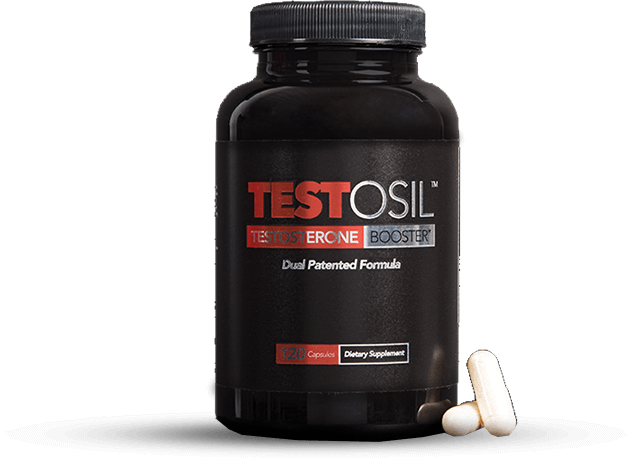
Testosil™ Botanical Formula
- Designed to work seamlessly with male physiology to provide foundational support
- Helps maintain peak physical endurance, daily vitality, and natural balance
- Manufactured in a cGMP-compliant, FDA-registered facility without harsh synthetic hormones
Resistance exercise signals the body to improve its insulin sensitivity. Better sensitivity means your cells accept energy from your bloodstream with less effort. You feel more stable and less prone to energy crashes.
Biological Signaling Basics
When you contract a muscle against resistance, it releases signaling molecules into the blood. These molecules travel to the liver and fat tissue to influence their function. This is a normal part of how our bodies maintain a steady internal state.
Research from the Centers for Disease Control shows that muscle activity supports healthy weight management. These chemical messengers help the body decide whether to burn stored fat or use incoming sugar. It is a natural process we can support through consistent effort.
Structuring Your Weekly Sessions
You do not need heavy equipment to see results. Bodyweight movements work well for beginners. Focus on slow, controlled repetitions to ensure proper muscle engagement.
- Squats: This movement engages large muscle groups in the legs to trigger a strong chemical response.
- Pushups: These challenge your upper body strength and promote consistent signaling from your chest and shoulders.
- Planks: Holding this position forces your core muscles to communicate with the rest of your system through constant tension.
Movement Patterns For Steady Energy
| Movement Type | Effectiveness | Daily Goal |
| Resistance Training | High | 30 Minutes |
| Brisk Walking | Moderate | 45 Minutes |
| Standing Tasks | Low | 120 Minutes |
The Role Of Protein Intake
Muscle repair requires the right building blocks. You should aim for consistent portions of high quality protein throughout the day. This supports the structural integrity of the fibers that produce your helpful signals.
Amino acids serve as the foundation for the proteins your muscles create. Without enough supply, your system struggles to maintain the chemical output you need. Prioritize eggs, beans, and lean meats in your daily routine.
Optimal Recovery And Sleep Cycles
Signaling processes work best when the body rests. Sleep provides the window of time necessary for muscle tissue to repair itself after a hard session. Disrupted sleep cycles often lead to poor regulation of these internal chemical signals.
Aim for seven to nine hours of quality shuteye each night. Dark, cool rooms assist in getting the deep rest required for optimal metabolic function. Your muscles do their best work while you remain unconscious.
Hydration As A Communication Tool
Water acts as the medium for chemical signals to travel. Dehydration slows down the transport of these proteins to their targets. Keep a bottle nearby to ensure your system functions without friction.
Add minerals like magnesium or potassium if you sweat a lot. These help maintain the electrical balance in your cells. A balanced environment keeps your muscle fibers ready for action.
Consistency Over Intensity
You gain more by moving daily than by pushing yourself to exhaustion once a week. Frequent, moderate sessions keep your chemical signal levels high. This steady stream helps regulate your metabolism around the clock.
Defining Sustainable Habits
Pick a time that fits your life. If mornings work, keep your gear ready by the bed. If nights are better, make it a reward for finishing your workday.
- Walking Breaks: Take five minutes every hour to move your limbs.
- Stair Climbing: Use the stairs instead of the elevator whenever possible.
- Evening Stretching: Use this time to move your joints and keep muscles pliable.
Tracking Your Progress
Keep a simple record of how you feel. Note when your energy levels seem steady during the afternoon. These small records help you identify which habits provide the most gain.
Frequent Questions
How soon will I notice changes in my metabolic markers?
Most individuals report feeling more stable within three to four weeks of consistent effort. You might see improvements in your energy levels and how you recover from daily tasks quite early in the process.
True physiological shifts take time to materialize in your blood readings. Stick with your routine for at least three months to allow your body to stabilize its internal signaling network properly.
Do I need to lift heavy weights for this to work?
Heavy lifting is not required to stimulate these helpful signals. Your muscles respond to the sensation of tension regardless of whether that tension comes from a heavy barbell or your own body weight.
The quality of your movement matters far more than the size of the load. Focus on slow, controlled repetitions that make your muscles work hard. This approach keeps your joints safe while providing the stimulus your metabolism needs.
Is there a specific time of day that is best for movement?
There is no single best time for everyone, but consistency is the most important factor. Research suggests that moving in the late afternoon might offer slight benefits for insulin regulation for some people.
Choose a window that you can realistically maintain for the long term. A workout that happens consistently is always better than a perfect workout that you miss repeatedly. Make it part of your daily rhythm.
Can diet alone achieve the same results as movement?
Dietary choices are important for providing the fuel your cells need. However, diet cannot replicate the specific chemical signaling that only occurs during muscle contraction.
The proteins released by your muscles are unique to that tissue. You need both good nutrition and regular movement to keep your metabolic health in top shape. Treat them as two sides of the same coin.
What should I do if I feel sore after a session?
Some discomfort is normal when you start a new routine. This feeling is a sign that your muscles are adapting to the new demands you have placed on them.
Take a day to move gently, such as by walking, to help blood flow to the area. If the pain is sharp or lasts longer than a few days, ease off your intensity. Listen to your body and avoid pushing through true injury.
The Bottom Line
Your muscles are active partners in your metabolic health. By using resistance to engage these tissues, you signal your body to improve fuel usage and systemic balance. Prioritize consistent movement and proper nutrition to maintain these helpful signals. Naturally boosting myokine production for metabolic health remains a cornerstone of a long and active life. This advice is not for those with acute muscle injuries or severe chronic illness. Consult a licensed healthcare provider before starting any new wellness routine.
Get Your FREE Natural Health Guide!
Subscribe now and receive our exclusive ebook packed with natural health tips, practical wellness advice, and easy lifestyle changes, delivered straight to your inbox.