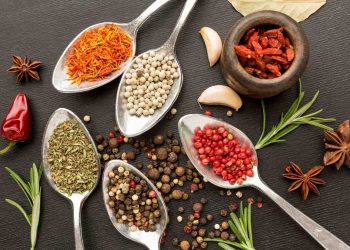
Gut pain can disrupt your day and leave you feeling uncomfortable and irritable. While there are numerous medications and treatments available, sometimes the best solutions can be found right in your kitchen. In this article, we’ll explore simple kitchen staples that can help soothe gut pain, drawing on personal experiences, cultural insights, and scientific research.

Contents
Understanding Gut Pain
Before diving into remedies, it’s essential to understand what causes gut pain. Conditions like irritable bowel syndrome (IBS), gastritis, or even food intolerances can lead to discomfort. Stress, diet, and lifestyle choices also play significant roles. For me, stress often manifests as a tight knot in my stomach, making it hard to focus on anything else.
The Role of Diet in Gut Health
Diet is a critical factor in gut health. Foods rich in fiber, probiotics, and anti-inflammatory properties can promote a healthy gut. For instance, I’ve noticed that cutting back on processed foods and incorporating more whole foods has made a significant difference in my overall digestion.
Kitchen Staples to Soothe Your Gut
Let’s delve into some of the kitchen staples that can help alleviate gut pain.
1. Ginger
Why It Works
Ginger is well-known for its anti-inflammatory properties. It contains gingerols, which can help reduce inflammation in the gut and aid digestion.
Practical Application
You can consume ginger in various forms: fresh, powdered, or as a tea. I often brew ginger tea by steeping fresh slices in hot water for about 10 minutes. Adding a bit of honey can enhance the flavor and provide additional soothing effects.
Caveat
While ginger is generally safe, it may not be suitable for everyone. Some people experience heartburn or stomach upset with high doses. Always start with small amounts to see how your body reacts.
2. Turmeric
The Golden Spice
Turmeric contains curcumin, a compound with strong anti-inflammatory and antioxidant properties. It’s been used in traditional medicine for centuries, particularly in Ayurvedic practices.
How to Use It
Incorporating turmeric into your meals can be easy. I love adding it to soups, stews, or even scrambled eggs. Just a teaspoon can add flavor and health benefits. A popular recipe is golden milk, made with turmeric, milk (or a dairy-free alternative), and a pinch of black pepper to enhance absorption.
Mixed Reviews
While many praise turmeric, its effectiveness can vary. Some studies suggest curcumin may not be absorbed well without fat, while others highlight its potential benefits in managing gut health (NIH, 2021).
3. Bone Broth
Traditional Wisdom
Bone broth has been a staple in many cultures for its purported health benefits, including gut healing. The gelatin in bone broth can help restore the gut lining and improve digestion.
Making Bone Broth
Making bone broth is simple. I usually use leftover bones from a roast chicken or beef. Simmer them with water, vegetables, and herbs for several hours. The result is a nutrient-dense broth that can be consumed on its own or used as a base for soups.
Caution
While bone broth is generally safe, it can be high in histamines, which might trigger reactions in sensitive individuals. Always listen to your body.
4. Fermented Foods
The Probiotic Powerhouses
Fermented foods like yogurt, sauerkraut, and kimchi are rich in probiotics, which can enhance gut flora and improve digestion.
Personal Experience
Incorporating yogurt into my daily routine has had a noticeable impact on my gut health. I enjoy it plain or topped with fruits and nuts. Sauerkraut offers a tangy alternative, and I often add it to sandwiches for an extra crunch.
The Mixed Bag
While many people benefit from probiotics, not everyone experiences the same effects. Some may find that certain fermented foods exacerbate their symptoms. It’s essential to experiment and see what works for you.
5. Oats
A Fiber-Rich Option
Oats are a fantastic source of soluble fiber, which can help regulate digestion and promote gut health.
How I Use Oats
A warm bowl of oatmeal in the morning is my go-to breakfast. I often add fruits, nuts, and a sprinkle of cinnamon for an extra health boost.
The Cautionary Note
While oats are generally beneficial, some individuals with gluten sensitivities should ensure they’re consuming certified gluten-free oats to avoid adverse reactions.
6. Peppermint
A Soothing Herb
Peppermint has been used for centuries to alleviate digestive issues. It is known for its ability to relax the muscles of the gastrointestinal tract, which can help relieve gas and bloating.
Practical Use
I often brew peppermint tea after meals to soothe my stomach. Simply steep a few fresh leaves or a tea bag in hot water for about 10 minutes. The aroma alone is calming!
A Word of Caution
While peppermint can be helpful, it may not be suitable for those with acid reflux, as it can relax the lower esophageal sphincter, potentially worsening symptoms.
7. Apples
The Fiber Factor
Apples are high in pectin, a type of soluble fiber that can help regulate digestion and promote gut health.
My Favorite Snack
I love snacking on apples, especially with a bit of almond butter. The combination makes for a satisfying and gut-friendly treat.
The Flip Side
While apples are generally beneficial, their high fructose content can cause issues for some individuals, particularly those with fructose intolerance. Moderation is key!
Cultural Perspectives on Gut Health
Many cultures have their own traditional remedies for gut issues. For example, in Japan, miso soup is often consumed for its probiotic benefits. Similarly, in Mexico, people often turn to a soothing chamomile tea for digestive discomfort. These cultural practices emphasize the importance of holistic approaches to gut health.
Real-Life Example: A Journey to Gut Relief
Let’s take a look at the journey of Sarah, a friend who struggled with gut pain for years. After visiting multiple doctors and trying various medications, she decided to explore natural remedies. By incorporating ginger tea, fermented foods, and bone broth into her diet, she noticed a significant reduction in her symptoms over time. While it wasn’t an overnight fix, the gradual improvement encouraged her to continue exploring kitchen staples for gut health.
The Science Behind Kitchen Staples
Research supports many of these remedies, though it’s essential to recognize that results can vary. For instance, a study published in The Journal of Gastroenterology found that ginger can help alleviate nausea and digestive discomfort (J Gastroenterol, 2019). On the other hand, research on turmeric’s effectiveness is mixed, with some studies suggesting limited absorption without proper preparation.
The Importance of Personalization
As someone who has spent years researching natural health remedies, I’ve learned that what works for one person may not work for another. It’s crucial to listen to your body and consult with a healthcare provider when making significant dietary changes.
FAQs
1. Can all these remedies be used together?
Yes, many of these kitchen staples can complement each other. For example, adding ginger to your turmeric tea can enhance the flavors and benefits.
2. How long does it take to see results?
Results can vary widely. Some may notice improvements within a few days, while others may take weeks. Patience is key.
3. Are there any side effects to these remedies?
While generally safe, some individuals may experience side effects, such as digestive upset or allergies. It’s best to start with small amounts and monitor your body’s response.
4. Should I consult a doctor before trying these remedies?
Yes, especially if you have underlying health conditions or are on medication. Always speak with a qualified healthcare provider before making changes to your health routine.
5. What if these remedies don’t work for me?
If you don’t see improvement, it may be worth exploring other dietary changes or consulting with a healthcare professional to identify any underlying issues.
Conclusion
Exploring kitchen staples to soothe gut pain can be a rewarding journey. While these remedies can offer relief, they’re not a one-size-fits-all solution. It’s essential to approach them with an open mind and a willingness to experiment. As I’ve learned, the path to gut health is often winding, but with patience and the right ingredients, relief is within reach.
This article is for educational purposes only and does not replace professional medical guidance. Always speak with a qualified healthcare provider before making changes to your health routine.
References
- NIH. (2021). “Turmeric and Curcumin: Health Benefits and Uses.” NIH
- J Gastroenterol. (2019). “Ginger for Nausea and Digestive Disorders.” Journal of Gastroenterology
- Harvard Health Publishing. “The Benefits of Probiotics.” Harvard
By incorporating these kitchen staples into your routine, you may find a natural, effective way to ease your gut pain.
Get Your FREE Natural Health Guide!
Subscribe now and receive our exclusive ebook packed with natural health tips, practical wellness advice, and easy lifestyle changes — delivered straight to your inbox.