Sauna Sessions: A Simple Way to Support Heart Aging
Most of us recognize that our cardiovascular system undergoes subtle shifts as the decades pass. We look for simple, accessible ways to maintain internal vitality without complicated routines. Sauna sessions provide a gentle method for individuals to support their long term heart health through controlled heat exposure.
The habit of regular heat bathing influences how our blood vessels function and how our circulation operates over time. Research suggests that frequent use of these heated rooms can mimic the physiological effects of moderate exercise. This process helps keep the arterial walls pliable and encourages a healthy response to environmental stress.
Sauna sessions support heart aging by promoting healthy blood flow and vascular flexibility through regular heat exposure. These sessions assist the body in managing internal temperature while encouraging consistent cardiovascular activity. This practice offers a low impact way to foster longevity within the circulatory system.
Key Takeaways
- Studies show frequent sauna use correlates with a 40 percent lower risk of sudden cardiac events.
- Heat exposure raises the heart rate to levels comparable to brisk walking or light jogging.
- Regular sessions typically last between 15 and 20 minutes to achieve optimal physiological benefits.
Understanding The Physiological Response To Thermal Stress
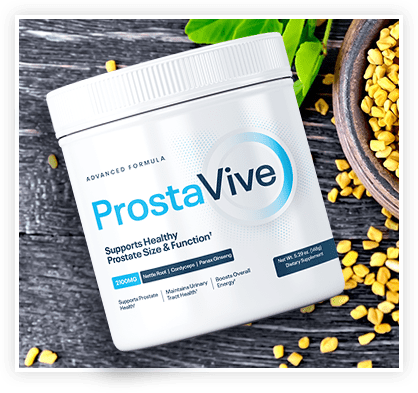
Prostavive™ Nutritional Support Formula
- Designed to support natural urinary rhythm and maintain normal nighttime habits
- Helps sustain uninterrupted rest and daily comfort against fragmented sleep
- Manufactured in a cGMP-compliant, FDA-registered facility without harsh synthetics
Our bodies perceive the intense heat of a sauna as a form of physical demand. The immediate reaction involves dilating blood vessels to release heat through the skin. This shift requires the pump to work harder to maintain steady pressure throughout the network of veins and arteries.
Evidence from the National Library of Medicine highlights how heat stress helps maintain endothelial function. When the inner lining of our blood vessels remains healthy, blood flow improves across the entire system. This state of relaxation and contraction provides a form of internal conditioning.
The autonomic nervous system also shifts during these sessions. We move from a state of high tension into a phase of deep physical rest. This transition helps mitigate the cumulative impact of daily life on our long term wellbeing.
Data Comparison Of Cardiovascular Responses
| Activity Type | Heart Rate Impact | Primary Benefit |
|---|---|---|
| Sauna Use | Moderate Increase | Vascular Elasticity |
| Brisk Walking | Moderate Increase | Caloric Expenditure |
| Resting State | Low Baseline | Energy Conservation |
Implementing Sauna Sessions For Heart Aging
Integrating heat exposure into a weekly schedule requires consistency rather than intensity. Individuals often start with shorter sessions to allow the body to adapt to the elevated temperatures. A gradual approach ensures that the experience remains comfortable and sustainable over many years.
Proper hydration is a requirement during any thermal activity. We lose significant water through perspiration and must replenish those stores immediately afterward. Drinking clean water or electrolyte rich beverages ensures that the volume of blood remains stable while the heart works to cool the body.
Many wellness enthusiasts schedule these sessions after their regular physical training. This timing allows the muscles to recover while the cardiovascular system enjoys the secondary benefits of the heat. It turns a standard recovery day into a more effective period of physical maintenance.
Monitoring The Frequency And Intensity
Consistency serves as the foundation for any habit aimed at supporting long term function. The research indicates that individuals who enjoy heat bathing four to seven times per week often see the most notable results. However, starting with two sessions per week provides a safe entry point for newcomers.
Listening to the body remains the most important rule. If a session feels overwhelming, it is time to step out and cool down. There is no benefit to pushing beyond the point of physical comfort during these quiet, reflective periods.
The Centers for Disease Control emphasizes that individual health history dictates how we engage with physical stressors. Always track how the body feels during and after the heat exposure. Adjust the timing or frequency based on personal energy levels and recovery needs.
Practical Demonstration Of A Weekly Schedule
To visualize how this practice fits into a typical life, consider a simple three step weekly routine. This structure balances heat exposure with the need for normal daily activity and recovery time.
- Initial Exposure: Schedule two sessions per week lasting 10 minutes at a moderate temperature.
- Gradual Progression: Increase to three sessions per week at a higher temperature for 15 minutes each.
- Consistent Maintenance: Sustain four sessions per week for 20 minutes each to support ongoing cardiovascular health.
Addressing The Role Of Heat Shock Proteins
Heat stress triggers the production of specific compounds within our cells. These substances act like a repair crew that cleans up damaged proteins throughout the tissues. This process is essential for maintaining cellular integrity as we age.
When our cells operate more efficiently, the entire organism functions better. The heart and blood vessels benefit from this regular housekeeping service. It represents one of the primary ways that thermal stress supports long term durability.
Scientific inquiry supported by the National Institute on Aging points toward these protective responses as a core part of the longevity puzzle. By inducing these natural cleanup cycles, we provide our bodies with the tools they need to maintain a youthful internal environment. It is a simple trade of time for biological resilience.
Frequently Asked Questions
Can individuals with low blood pressure enjoy regular heat sessions?
Individuals with low blood pressure should approach heat exposure with caution. The natural dilation of blood vessels caused by heat can occasionally lead to a further drop in pressure upon standing up quickly.
It is best to sit quietly for a moment before moving out of the heated space. Always monitor symptoms like dizziness and ensure adequate hydration before and after entering the sauna.
Does humidity play a role in the effectiveness of the session?
Humidity changes how the body experiences the heat. Higher humidity levels make the environment feel much hotter because perspiration does not evaporate as quickly from the skin.
Dry heat is often preferred for those who are just beginning their practice. It allows for a more controlled experience that is easier to sustain for the recommended duration.
Is there a specific time of day that works best for these sessions?
The best time for a session is whenever it fits into the daily schedule. Some individuals prefer the morning to wake up the system, while others find the evening helpful for promoting calm.
Consistency matters more than the specific hour of the day. Choose a time that allows for a relaxed, unrushed experience so the cardiovascular system can fully transition into its resting state.
What should a person do if they feel lightheaded during a session?
Lightheadedness is a clear signal to exit the heat immediately. Move to a cooler area and sit down to stabilize the circulation before trying to move further.
Sip cool water slowly and focus on deep, steady breathing. Never force a session to reach a specific time goal if the body is indicating that it needs a break.
Can this practice replace standard cardiovascular exercise?
Heat bathing is an excellent complement to physical training but should not replace it. Exercise provides unique benefits to skeletal muscle, bone density, and metabolic health that heat alone cannot replicate.
The most effective strategy involves combining movement with regular heat sessions. This approach covers both the mechanical requirements of the body and the internal maintenance provided by thermal exposure.
The Bottom Line
Supporting cardiovascular health requires a mix of movement, nutrition, and environmental management. Sauna sessions offer a low impact method to encourage vascular elasticity and cellular repair.
By making this habit a part of the weekly routine, individuals provide the body with a consistent way to manage the natural process of aging. Never stop or change any medication without consulting the provider who recommended it. Consult a licensed healthcare provider before starting any new wellness routine.
Get Your FREE Natural Health Guide!
Subscribe now and receive our exclusive ebook packed with natural health tips, practical wellness advice, and easy lifestyle changes, delivered straight to your inbox.