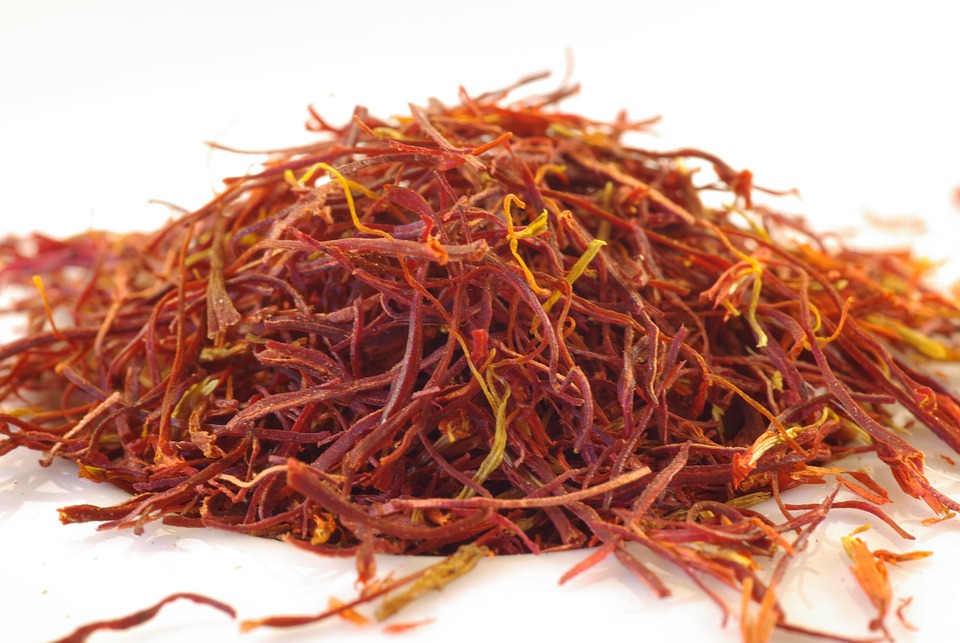

Saffron, often dubbed as the world’s most expensive spice, has been cherished not only for its culinary applications but also for its potential health benefits. Among these, its role in promoting eye health and clarity stands out. As modern lifestyles increasingly expose individuals to screens and artificial lighting, concerns about vision are more prevalent than ever. Many people experience eye strain, fatigue, and even a decline in visual acuity. The search for natural remedies to combat these issues has led to a renewed interest in saffron and its unique properties.
The vibrant red stigmas of the saffron flower contain a wealth of antioxidants and compounds that can positively impact eye health. Saffron’s potential benefits are particularly relevant as age-related eye conditions become more common. Conditions like macular degeneration and cataracts can significantly impair vision, leading to a decreased quality of life. Understanding how saffron can be integrated into daily routines may offer individuals a proactive approach to maintaining and even enhancing their eyesight.
The science behind saffron’s benefits for eye health is rooted in its rich composition. It contains carotenoids, particularly crocin and crocetin, which are known for their antioxidant properties. These compounds can help protect the retina from oxidative stress, a significant factor in age-related eye diseases. By incorporating saffron into one’s diet, individuals may not only enjoy its distinct flavor but also support their vision in a meaningful way.
This guide delves into the practical applications of saffron for eye health, common mistakes to avoid, the underlying science, and essential considerations for choosing high-quality saffron products. By understanding these aspects, individuals can make informed choices that promote their overall well-being and vision clarity.
Contents
How to Use Saffron for Real Results
- Best Form: Saffron threads
- Best Time: Morning and evening
- Expected Result: Enhanced visual clarity and reduced eye strain
For Daily Protection
The Prep: Begin your day by preparing a saffron infusion. Use a small pot of hot water and add a pinch of saffron threads. Let it steep for about 10 minutes. This infusion can be easily made in the morning as part of your daily routine.
The Action: Once the infusion is ready, sip it slowly. Aim to consume it in the morning before breakfast. This not only helps in absorbing the beneficial compounds but also sets a positive tone for the day.
The Feeling: As you sip the warm infusion, expect a gentle warmth spreading through your body. The soothing properties of saffron can help ease any morning anxiety, making you feel calm and focused for your day ahead.
Pro Tip: For a more potent infusion, consider adding a few drops of lemon juice to enhance the absorption of saffron’s antioxidants.
Targeting Eye Strain
The Prep: If you spend long hours in front of screens, prepare a saffron-infused herbal tea in the afternoon. Combine one cup of boiling water with a pinch of saffron and a teaspoon of chamomile.
The Action: Steep the mixture for around 10 minutes. Strain the tea and enjoy it while taking a break from screen time. This practice can help alleviate tension and strain on your eyes.
The Feeling: You may notice a cooling sensation in your eyes as you drink this soothing tea. It can help refresh your mind and alleviate discomfort caused by prolonged screen exposure.
Pro Tip: Keep your saffron tea in a thermos to enjoy it warm throughout the afternoon, especially during long work hours.
The Nighttime Routine
The Prep: For a peaceful night’s sleep and to promote eye recovery, prepare a saffron-infused milk. Heat one cup of milk and add a pinch of saffron along with a teaspoon of honey for sweetness.
The Action: Allow the mixture to simmer for about five minutes. Once ready, sip it slowly before bedtime. This drink can help relax your mind and body, preparing you for a restful sleep.
The Feeling: As you consume the warm milk, expect a sense of calmness washing over you. The combination of saffron and milk can help soothe your eyes and promote relaxation, aiding in recovery overnight.
Pro Tip: Consider adding a pinch of turmeric for additional anti-inflammatory benefits.
Avoiding Common Pitfalls
Using Low-Quality Saffron
Many individuals overlook the quality of saffron they purchase. Low-quality saffron may not contain the beneficial compounds necessary for eye health. Often, such products are mixed with fillers that dilute their effectiveness.
To ensure you are getting the real deal, always purchase saffron from reputable sources. Look for brands that provide information about their saffron’s origin and testing for purity. This small step can significantly enhance the benefits you derive from saffron.
Neglecting Proper Dosage
Another common mistake is not adhering to the recommended dosage. While saffron is beneficial, overconsumption can lead to adverse effects. Some individuals may think that more is better, leading to excessive intake.
Stick to the recommended dosage of about 30 to 50 mg per day to reap the benefits without experiencing negative side effects. This approach ensures that you harness saffron’s properties effectively while minimizing any risks.
Ignoring Individual Responses
Individuals may react differently to saffron. While many experience positive effects, some might encounter allergic reactions or digestive issues. Ignoring these responses can lead to discomfort and deter individuals from continuing its use.
If you experience any adverse effects, discontinue use and consult a healthcare professional. Understanding your body’s reactions is crucial for a sustainable approach to incorporating saffron into your routine.
Understanding the Mechanism
Saffron’s benefits for eye health primarily stem from its antioxidant properties. The carotenoids found in saffron, particularly crocin and crocetin, play a vital role in protecting retinal cells from oxidative damage. This protection is crucial, as oxidative stress has been linked to various eye diseases, including macular degeneration.
Crocin, in particular, is known for its ability to enhance blood flow to the eye, which can improve overall visual function. This increased circulation ensures that essential nutrients reach the eye, supporting its health and mitigating the effects of aging.
Clinical studies have shown promising results regarding saffron’s role in eye health. Research indicates that saffron supplementation can improve visual acuity and contrast sensitivity in individuals with age-related macular degeneration. For further details on this research, you can explore PubMed for comprehensive studies on saffron’s impact on vision.
Choosing the Right Product
– **Potency:** Always check the concentration of active compounds in saffron. Higher potency often correlates with more significant health benefits.
-
Purity: Look for saffron that is free from additives and fillers. Pure saffron ensures that you are receiving the maximum health benefits without the risk of harmful substances.
-
Form: Saffron is available in various forms, including threads, powders, and capsules. Choose a form that fits your lifestyle and ensures optimal absorption of its beneficial compounds.
Pros & Cons
| The Benefits | Potential Downsides |
|---|---|
| Rich in antioxidants that protect eye cells. | May cause allergic reactions in sensitive individuals. |
| Improves blood flow to the eye, enhancing visual clarity. | Overconsumption can lead to adverse effects. |
| Supports overall eye health and may reduce the risk of age-related diseases. | Quality varies significantly between products. |
Habits That Enhance Benefits
Regular eye exercises can significantly complement the benefits of saffron. Simple practices such as focusing on distant objects or performing eye rotations can help maintain eye flexibility and reduce strain.
Maintaining a balanced diet rich in other antioxidants, such as those found in leafy greens and berries, can further enhance the eye-protective effects of saffron. This holistic approach creates a supportive environment for optimal eye health.
Who Should Avoid This?
– Pregnant or breastfeeding women
– Individuals with known allergies to saffron
– Those taking blood-thinning medications
– People with hypotension, as saffron may lower blood pressure
Common Questions
Is saffron safe for everyone?
Saffron is generally safe but may not be suitable for individuals with specific health conditions. Always consult a healthcare professional before starting any new supplement.
How long does it take to see results?
Results can vary, but many individuals report improvements in visual clarity within a few weeks of consistent use.
Can saffron replace prescribed eye treatments?
Saffron should not replace prescribed treatments. It can be a complementary approach to support eye health.
Is saffron effective for all age groups?
Saffron can benefit people of various ages, particularly those concerned about age-related eye issues.
The Bottom Line
Incorporating saffron into your daily routine can be a valuable step toward enhancing eye health.
- The Truth: Saffron is not a cure-all but can support eye health when used appropriately.
- The Strategy: Regular consumption of saffron-infused drinks can maximize its benefits.
- The Next Step: Adopt other healthy habits, such as eye exercises, to further protect your vision.
Get Your FREE Natural Health Guide!
Subscribe now and receive our exclusive ebook packed with natural health tips, practical wellness advice, and easy lifestyle changes, delivered straight to your inbox.