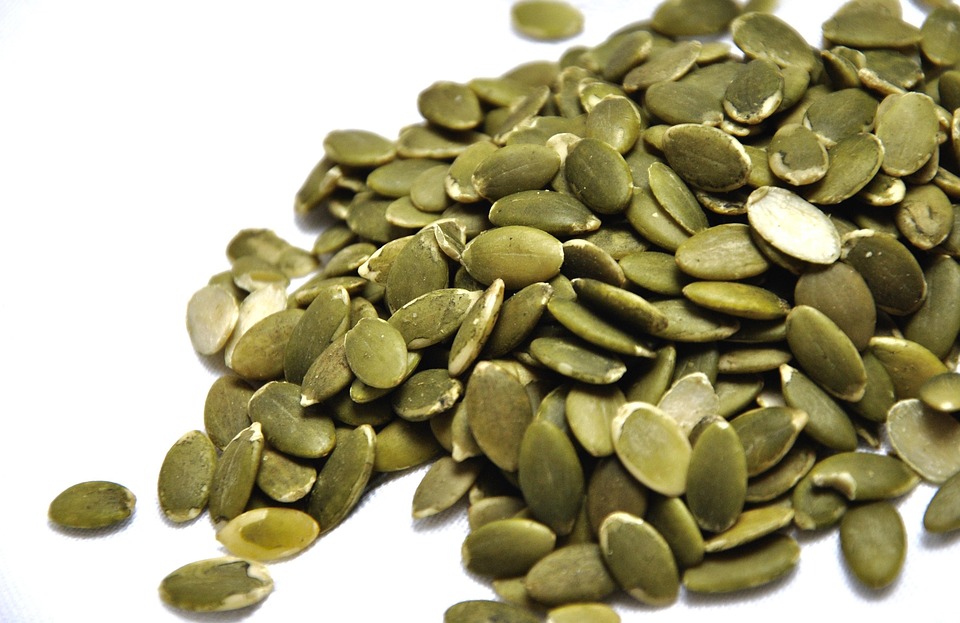

Pumpkin seeds, often overlooked, are a powerhouse of nutrients, particularly zinc, which plays an essential role in brain health. Many individuals struggle with cognitive function, memory retention, and mental clarity, especially as they age. This decline can be frustrating and concerning, leading to anxiety and a lack of confidence in one’s mental abilities. The good news is that incorporating certain foods into your diet can significantly enhance cognitive function and overall mental well-being.

Among these foods, pumpkin seeds stand out as a rich source of zinc. This mineral is crucial for maintaining brain health, as it is involved in numerous neurological processes. By integrating pumpkin seeds into your daily routine, you can support your cognitive function and promote a sharper mind. This guide delves deeply into the benefits of pumpkin seeds, particularly their contribution of zinc, and provides practical ways to incorporate them into your diet for optimal brain health.
Understanding the specific nutrients that contribute to cognitive function is vital. Zinc is not just a supplement for immune health; it also plays a pivotal role in brain signaling and neurotransmitter function. Deficiency in this mineral can lead to cognitive impairments and has been linked to conditions such as depression and anxiety. Therefore, ensuring you have adequate zinc levels is essential for maintaining mental sharpness and emotional balance.
This guide will explore the different aspects of pumpkin seeds as a source of zinc for brain health. You will learn practical applications, common mistakes to avoid, the science behind the benefits, and how to select the best sources. A comprehensive understanding of pumpkin seeds and their impact on brain function can empower you to make informed dietary choices that enhance your mental clarity and overall wellness.
Contents
How to Use Pumpkin Seeds for Real Results
- Best Form: Raw or roasted pumpkin seeds.
- Best Time: Mid-morning or as an afternoon snack.
- Expected Result: Enhanced focus and cognitive clarity.
For Daily Protection
The Prep: Gather a handful of raw or roasted pumpkin seeds, ideally unsalted. You may also want to include a source of healthy fat, like a teaspoon of almond butter or coconut oil, to help with nutrient absorption.
The Action: Mix the pumpkin seeds with almond butter in a small bowl. Enjoy this mixture as a mid-morning snack. If you prefer a crunchier texture, you can roast the seeds lightly in a pan to enhance the flavor before mixing.
The Feeling: After consuming this snack, you may notice a subtle energy boost and improved focus within about 30 minutes. The combination of healthy fats and protein helps sustain energy levels, allowing for better concentration.
Pro Tip: Pair pumpkin seeds with a piece of fruit for added vitamins and minerals that further support brain function.
Targeting Acute Fatigue
The Prep: Prepare a smoothie using one cup of spinach, a banana, and two tablespoons of pumpkin seeds. Add a cup of almond milk or water for a creamy texture.
The Action: Blend the ingredients until smooth. This nutrient-dense smoothie can be consumed in the morning or as a post-workout recovery drink.
The Feeling: The smoothie will provide a refreshing sensation, and you may experience increased alertness and reduced fatigue within an hour. The combination of spinach and pumpkin seeds offers a rich source of vitamins and minerals that combat fatigue.
Pro Tip: Add a scoop of protein powder to enhance the satiety of your smoothie and further support muscle recovery.
The Nighttime Routine
The Prep: Before bed, prepare a small bowl of roasted pumpkin seeds with a sprinkle of cinnamon. This not only adds flavor but also helps regulate blood sugar levels overnight.
The Action: Consume the pumpkin seeds as a bedtime snack. The magnesium present in pumpkin seeds can help relax the body and mind, preparing you for a restful night’s sleep.
The Feeling: You may feel a sense of calm and relaxation shortly after eating. The combination of healthy fats and magnesium promotes a soothing effect that can lead to deeper sleep and improved morning alertness.
Pro Tip: Combine pumpkin seeds with a small piece of dark chocolate for an indulgent treat that also provides antioxidants.
Common Mistakes to Avoid
Overlooking Freshness
Many people purchase pumpkin seeds in bulk without considering freshness. Stale seeds can lose their nutritional value and flavor. Consuming old seeds may not provide the expected cognitive benefits.
To ensure you are getting the most out of your pumpkin seeds, always check the expiration date and opt for vacuum-sealed packaging when possible. Fresh seeds not only taste better but also offer higher levels of nutrients necessary for brain health.
Neglecting Portion Control
While pumpkin seeds are nutritious, they are also calorie-dense. Eating them in excessive amounts can lead to unwanted weight gain and an imbalance in your diet.
A small handful, about 1 ounce or 28 grams, is sufficient to reap the benefits without overindulging. Being mindful of portions can help maintain a balanced diet while still enjoying the cognitive benefits of pumpkin seeds.
Inadequate Pairing with Other Nutrients
Focusing solely on pumpkin seeds without considering other nutrients can limit their effectiveness. For optimal brain health, it is essential to pair them with other nutrient-rich foods.
Incorporating a variety of fruits, vegetables, and healthy fats alongside pumpkin seeds can enhance their benefits. A diet rich in diverse nutrients supports overall cognitive function and emotional well-being.
The Science Behind Pumpkin Seeds and Brain Health
Zinc plays a crucial role in numerous biological mechanisms that support brain health. It is involved in synaptic plasticity, which is essential for learning and memory. Zinc also contributes to the regulation of neurotransmitters, ensuring effective communication between brain cells.
Pumpkin seeds are particularly rich in zinc, providing a substantial portion of the recommended daily intake. This mineral is vital for maintaining cognitive function, and its deficiency can lead to neurological impairments. Consuming pumpkin seeds regularly can help maintain adequate zinc levels, thereby supporting overall brain health.
Clinical studies have demonstrated the cognitive benefits of zinc supplementation. Research indicates that adequate zinc levels can improve memory and cognitive performance in both young and older adults. For more detailed information, refer to the NIH ODS Fact Sheet on zinc.
Choosing the Right Product
– **Potency:** Ensure that the pumpkin seeds you choose are rich in zinc and other essential nutrients. Potency affects the effectiveness of the seeds in supporting brain health.
-
Purity: Look for organic or non-GMO pumpkin seeds to avoid harmful pesticides and chemicals. Pure products contribute to better overall health and cognitive function.
-
Form: Decide between raw or roasted seeds based on your preference. Roasted seeds may have enhanced flavor, while raw seeds retain more nutrients. Choosing the right form can impact your overall enjoyment and nutritional intake.
Benefits vs Risks
| The Benefits | Potential Downsides |
|---|---|
| Rich in zinc, supporting cognitive function | High in calories if consumed in excess |
| Contains antioxidants that protect brain health | May cause digestive discomfort in some individuals |
| Easy to incorporate into various meals | Quality can vary between brands |
Habits for Enhanced Brain Health
Incorporating regular physical activity into your routine can significantly boost cognitive function. Exercise increases blood flow to the brain, promoting the growth of new neural connections.
Mindfulness practices, such as meditation or yoga, can also enhance mental clarity and reduce stress. These habits complement the cognitive benefits of pumpkin seeds and contribute to overall brain health.
Who Should Avoid This?
– Individuals with nut allergies should exercise caution, as cross-contamination can occur.
– People with gastrointestinal disorders may experience discomfort from consuming seeds.
– Those on specific medications should consult a healthcare provider to avoid potential interactions.
Common Questions
Can pumpkin seeds help with memory loss?
Yes, the zinc and antioxidants in pumpkin seeds can support memory function and cognitive clarity.
How many pumpkin seeds should I eat daily?
A handful, approximately 1 ounce, is a good daily portion to reap the benefits without overindulging.
Are roasted pumpkin seeds still nutritious?
Yes, roasted pumpkin seeds retain most of their nutrients, although some may be lost during the roasting process.
Can I eat pumpkin seeds if I have a nut allergy?
Pumpkin seeds are seeds, not nuts, but cross-contamination can occur. Consult a healthcare provider if you have concerns.
The Bottom Line
Incorporating pumpkin seeds into your diet can significantly enhance your cognitive function and overall well-being.
- The Truth: While beneficial, they should be part of a balanced diet.
- The Strategy: Enjoy them as a daily snack or meal addition.
- The Next Step: Pair with other nutrient-rich foods for optimal benefits.
Get Your FREE Natural Health Guide!
Subscribe now and receive our exclusive ebook packed with natural health tips, practical wellness advice, and easy lifestyle changes, delivered straight to your inbox.