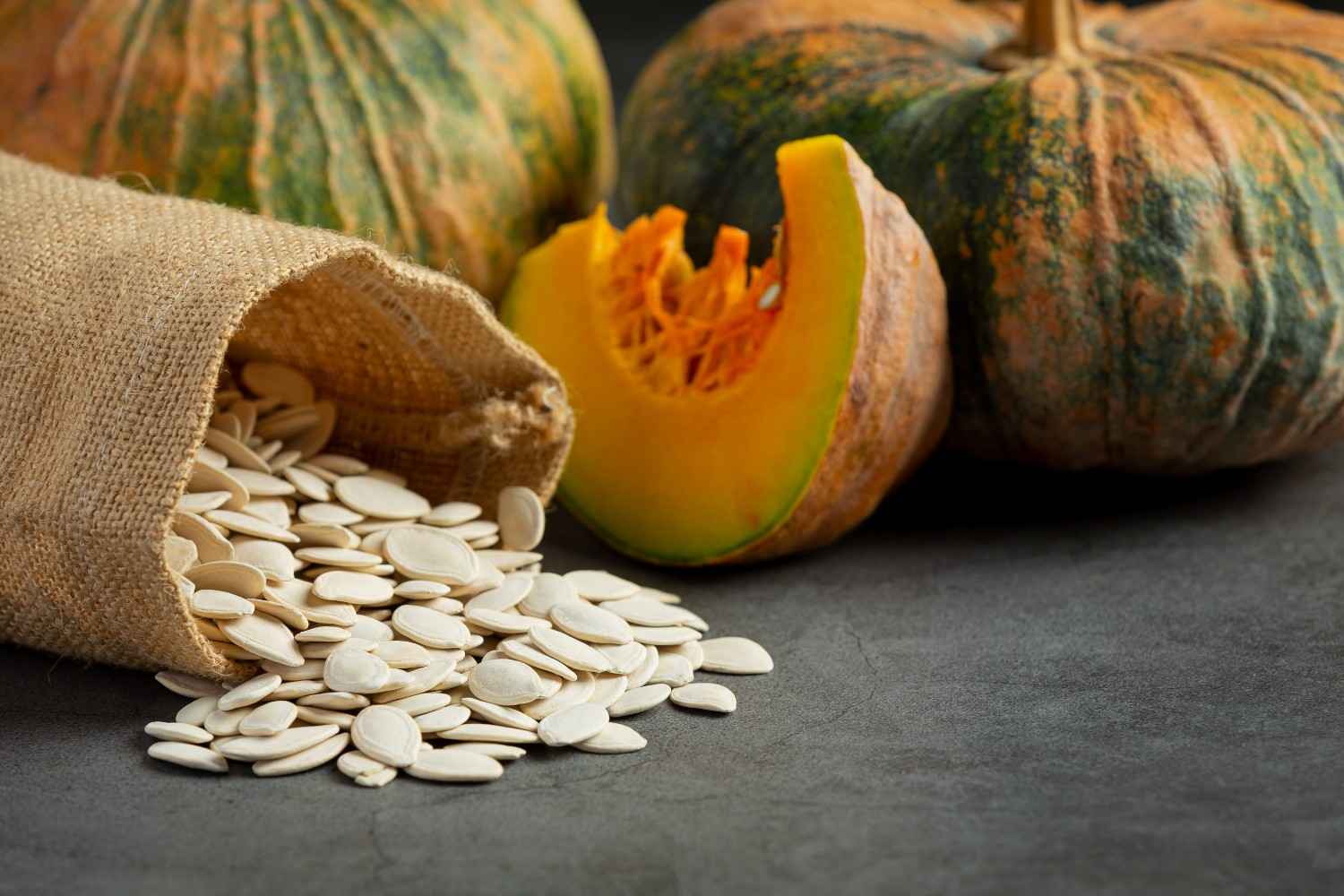

Pumpkin seeds, often overlooked, are a nutritional powerhouse that can significantly contribute to eye health and zinc levels in the body. Many people may not realize the connection between diet and vision. Poor dietary choices can lead to various eye issues, including macular degeneration and dry eye syndrome. Introducing nutrient-dense foods like pumpkin seeds can be a simple yet effective strategy to enhance eye function and overall health.

These seeds are rich in antioxidants, healthy fats, and essential minerals. Zinc, in particular, plays a crucial role in maintaining eye health. The body needs adequate zinc levels to produce melanin, a pigment that protects the retina. A deficiency in zinc can lead to various eye problems, making it essential to incorporate sources of this mineral into your diet. Pumpkin seeds serve as an easy snack or ingredient to boost your zinc intake.
In addition to their zinc content, pumpkin seeds are loaded with carotenoids and vitamin E, both of which are beneficial for eye health. Carotenoids, such as lutein and zeaxanthin, are known to filter harmful blue light and protect the retina. This protective function can help mitigate the risks associated with prolonged screen time and aging.
Understanding how to effectively use pumpkin seeds can maximize their benefits for eye health. This guide will delve into practical applications, common mistakes to avoid, and the scientific mechanisms behind their efficacy. You will learn how to seamlessly integrate these seeds into your daily routine for optimal health benefits.
Contents
How to Use Pumpkin Seeds for Real Results
- Best Form: Raw or roasted without salt
- Best Time: Morning or as a snack
- Expected Result: Improved eye health and enhanced zinc levels
For Daily Protection
The Prep: Gather raw or roasted pumpkin seeds, ideally unsalted, for maximum health benefits. Measure about a quarter cup to ensure you have enough for a daily serving. You can mix them with other nuts or seeds for added flavor and texture.
The Action: Incorporate pumpkin seeds into your breakfast by adding them to smoothies or oatmeal. Alternatively, enjoy them as a stand-alone snack. Chewing them thoroughly will help release their nutrients effectively.
The Feeling: You will likely experience a satisfying crunch with a slightly nutty flavor. The seeds may leave a pleasant aftertaste that lingers, making them a delightful addition to your daily routine.
Pro Tip: Consider storing pumpkin seeds in an airtight container in the refrigerator to maintain freshness and prevent rancidity.
For Immune Support
The Prep: Assemble raw pumpkin seeds and a handful of dried fruits like cranberries or apricots. This combination provides a nutrient-rich snack that supports immune health.
The Action: Mix the pumpkin seeds with dried fruits and portion them into small bags for easy access. Enjoy this mixture as a mid-morning or afternoon snack to keep your energy levels stable.
The Feeling: You will notice a burst of sweetness from the dried fruits, complemented by the earthy taste of the seeds. This snack will leave you feeling satiated and energized.
Pro Tip: This mixture can also serve as a topping for yogurt or salads for added texture and flavor.
The Evening Routine
The Prep: Prepare a soothing herbal tea, such as chamomile, and have a small bowl of roasted pumpkin seeds ready.
The Action: Sip your herbal tea while snacking on the pumpkin seeds. This combination can help unwind your mind and prepare your body for restful sleep.
The Feeling: The warmth of the tea will create a calming sensation, while the crunch of the seeds provides a satisfying texture. You may feel relaxed and ready for sleep.
Pro Tip: Try to avoid heavily salted seeds in the evening to promote better sleep quality.
Common Errors to Avoid with Pumpkin Seeds
Using Low-Quality Seeds
Choosing low-quality pumpkin seeds can diminish the health benefits you seek. Often, cheaper options may be processed or contain added preservatives and unhealthy fats. These additives can counteract the positive effects of the seeds.
To avoid this mistake, opt for organic, raw pumpkin seeds whenever possible. Check labels for minimal processing and no added ingredients. This choice ensures that you receive the maximum nutritional value from your seeds.
Overindulging in Portions
While pumpkin seeds are nutrient-dense, they are also calorie-rich. Consuming them in excessive amounts can lead to unwanted weight gain. Many people mistakenly believe that all nuts and seeds are calorie-free.
Aim for a serving size of about one ounce or a quarter cup per day. This portion allows you to reap the benefits without overloading on calories. Tracking your intake can help maintain a balanced diet.
Neglecting to Combine with Other Nutrients
Relying solely on pumpkin seeds for zinc and eye health can lead to imbalances in your diet. While they are an excellent source of these nutrients, a varied diet is essential for overall health.
Incorporate a spectrum of fruits, vegetables, whole grains, and lean proteins into your meals. This diversity ensures that you receive a wide array of vitamins and minerals that work synergistically with the nutrients in pumpkin seeds.
The Science Behind Their Benefits
The biological mechanism through which pumpkin seeds promote eye health primarily revolves around their high zinc and antioxidant content. Zinc plays a crucial role in the metabolism of retinal cells, crucial for good vision. Antioxidants present in pumpkin seeds help combat oxidative stress, which can damage eye tissues.
Key compounds such as lutein and zeaxanthin are carotenoids found in pumpkin seeds. These compounds are known for their ability to filter harmful blue light. This filtering effect reduces the risk of macular degeneration, especially in individuals who spend extended periods in front of screens.
Clinical evidence supports the importance of zinc in eye health. According to research published by the National Institutes of Health, adequate zinc levels are linked to a lower risk of age-related macular degeneration. For more detailed insights, visit the NIH ODS Fact Sheet.
Choosing the Right Product
- Potency: Look for seeds that contain a high concentration of zinc and antioxidants. Higher potency can lead to better health outcomes.
- Purity: Select organic and non-GMO seeds to avoid harmful chemicals. This ensures you consume pure and nutritious seeds.
- Form: Decide between raw, roasted, or sprouted seeds based on your preference. Raw seeds retain more nutrients, while roasted seeds may be more palatable.
Benefits vs Risks
| The Benefits | Potential Downsides |
|---|---|
| Rich source of zinc, essential for eye health | High in calories, which can lead to weight gain |
| Contains antioxidants that protect against oxidative stress | Possible allergic reactions in sensitive individuals |
| Easy to incorporate into various meals and snacks | May cause digestive discomfort if overconsumed |
Habits for Enhanced Benefits
Incorporating regular eye exercises can complement the benefits of pumpkin seeds. Simple activities like focusing on distant objects can strengthen eye muscles and improve vision.
Maintaining a balanced diet rich in colorful fruits and vegetables will further support eye health. Foods high in vitamins A, C, and E are particularly beneficial when paired with pumpkin seeds.
Who Should Avoid This?
– Individuals with nut allergies
– Those on a low-calorie diet
– People with digestive disorders
– Anyone taking medications that interact with high zinc intake
Common Questions
Are pumpkin seeds a good source of zinc?
Yes, pumpkin seeds are one of the best natural sources of zinc, contributing significantly to daily requirements.
Can I eat pumpkin seeds every day?
Yes, consuming pumpkin seeds daily can provide various health benefits, including improved eye health.
How can I add pumpkin seeds to my diet?
You can sprinkle them on salads, add them to smoothies, or enjoy them as a snack.
Are there any side effects of consuming pumpkin seeds?
Overconsumption can lead to digestive discomfort or weight gain due to their calorie density.
The Bottom Line
Integrating pumpkin seeds into your diet can offer numerous health benefits, particularly for eye health and zinc levels.
- The Truth: While beneficial, pumpkin seeds should not be your sole source of nutrients.
- The Strategy: Consume them as part of a balanced diet for optimal results.
- The Next Step: Incorporate regular eye exercises to maximize health benefits.
Get Your FREE Natural Health Guide!
Subscribe now and receive our exclusive ebook packed with natural health tips, practical wellness advice, and easy lifestyle changes, delivered straight to your inbox.