
Pumpkin seed oil has emerged as a promising natural remedy for hair loss, capturing the attention of those seeking effective solutions. Hair thinning and loss can significantly impact self-esteem and confidence. Many people are turning to alternative therapies and remedies to combat this common issue. Among these, pumpkin seed oil is gaining recognition for its potential benefits in promoting hair growth and health.

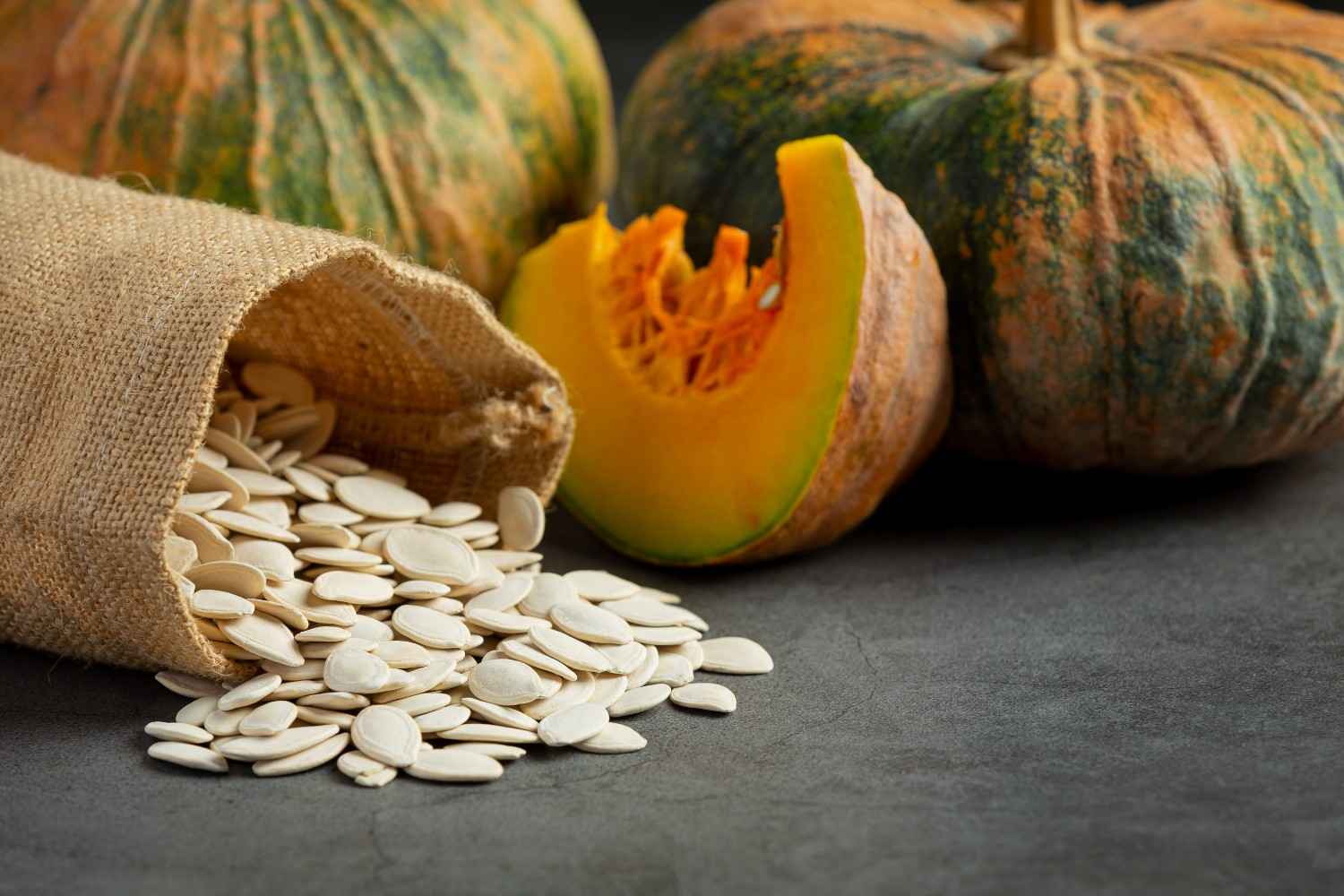
The oil is derived from the seeds of the pumpkin, a nutrient-dense food packed with essential fatty acids, vitamins, and minerals. These components work synergistically to nourish hair follicles while addressing the underlying causes of hair loss. Understanding its properties helps individuals harness nature’s potential in their hair care routines.
This guide will delve into the practical applications of pumpkin seed oil for hair loss, providing detailed insights into its use. It will also explore common mistakes made when using this oil, the science behind its efficacy, and how to choose the right product. With the right knowledge, individuals can make informed decisions in their quest for healthier hair.
By integrating pumpkin seed oil into a holistic hair care regimen, users may find an effective way to address hair loss while enjoying the benefits of natural ingredients. This guide aims to empower individuals with the information they need to make the most of this remarkable oil.
Contents
How to Use Pumpkin Seed Oil for Real Results
- Best Form: Cold-pressed oil
- Best Time: Before bedtime
- Expected Result: Improved hair thickness and growth over time
For Daily Nourishment
The Prep: Gather cold-pressed pumpkin seed oil and a dropper for easy application. A small bowl will also help in containing excess oil. Ensure your hair is clean and slightly damp for optimal absorption.
The Action: Use the dropper to apply a few drops of the oil directly onto your scalp, focusing on areas experiencing thinning. Massage the oil into your scalp using your fingertips in circular motions for about five minutes. This increases blood flow and ensures the oil penetrates effectively. Leave it on overnight for best results.
The Feeling: Users often report a warm sensation during application as circulation increases. The oil may feel slightly greasy initially but absorbs well overnight. Expect to wake up with a nourished scalp and soft hair.
Pro Tip: Consistency is key. Aim to do this nightly for maximum benefits.
As a Weekly Treatment
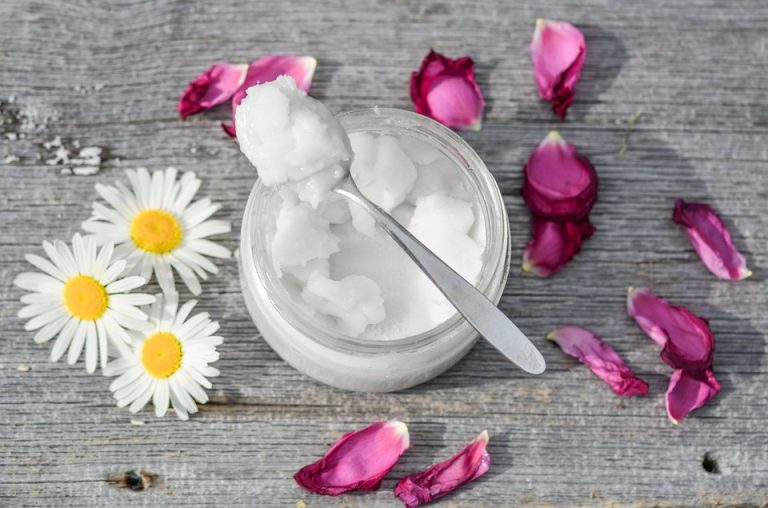
The Prep: For a more intensive treatment, combine pumpkin seed oil with a carrier oil like coconut or olive oil. Measure equal parts of both oils and mix them in a bowl.
The Action: Apply the mixture to your scalp and hair, starting from the roots and working toward the tips. Use a wide-toothed comb to ensure even distribution. Cover your hair with a shower cap and let the treatment sit for at least 30 minutes before rinsing out with a gentle shampoo.
The Feeling: The combination of oils offers a soothing effect, with a cooling sensation that many find relaxing. The treatment can feel luxurious, leaving hair feeling revitalized after washing.
Pro Tip: Use this treatment once a week for deep nourishment.
For Targeted Areas
The Prep: If specific areas of hair loss need attention, prepare a concentrated mix of pumpkin seed oil and essential oils like rosemary or lavender for added benefits.
The Action: Apply the mixture directly to problem areas using your fingertips. Gently massage the area for several minutes, encouraging absorption and stimulating the follicles. Allow the oil to sit for at least an hour before rinsing.
The Feeling: The targeted application can create a tingling sensation, signaling increased circulation in the scalp. The essential oils may add a fragrant note, enhancing the overall experience.
Pro Tip: Combine this treatment with scalp exercises for enhanced stimulation.
Avoiding Common Errors in Usage
Using Low Quality Oils
Many individuals overlook the importance of oil quality when choosing pumpkin seed oil. Low-quality oils may contain additives or be extracted using high-heat methods that compromise their beneficial properties. Opting for cold-pressed, organic oils ensures the maximum retention of nutrients.
Choosing inferior products can lead to ineffective results. Always check for certifications and read labels carefully. Quality oils tend to have a richer color and a nutty aroma, indicating their purity.
Investing in high-quality oils not only enhances the effectiveness of treatments but also supports your overall health. Quality matters when it comes to harnessing the full potential of pumpkin seed oil.
Neglecting Scalp Health
Focusing solely on applying pumpkin seed oil without considering scalp health can lead to suboptimal results. A healthy scalp environment is crucial for hair growth. Neglecting to exfoliate or cleanse the scalp properly can lead to product buildup and clogged follicles.
Incorporating a gentle scrub or clarifying shampoo into your routine can help maintain scalp health. This ensures that pumpkin seed oil can penetrate effectively and nourish hair follicles.
Prioritizing scalp health creates a conducive environment for hair growth. Healthy follicles are essential for the oil’s benefits to manifest.
Inconsistent Application
Many individuals begin using pumpkin seed oil with enthusiasm but fail to maintain consistency. Hair growth is a gradual process, and irregular application can hinder results. Skipping days or applying the oil sporadically may not yield the desired improvements.
Establishing a routine is vital. Set reminders or incorporate oil application into your daily rituals to maintain consistency. This commitment will ensure that the hair follicles receive the nutrients they need over time.
Consistency is key to achieving long-term benefits. Regular application allows the oil’s active ingredients to work effectively.
The Mechanism Behind Pumpkin Seed Oil
The biological mechanism of pumpkin seed oil involves its rich composition of essential fatty acids, antioxidants, and minerals. These components work together to nourish hair follicles, strengthen hair strands, and promote healthier growth. The oil’s anti-inflammatory properties may also help reduce scalp irritation that can contribute to hair loss.
Key compounds in pumpkin seed oil include zinc, magnesium, and phytosterols. Zinc plays a crucial role in hair tissue growth and repair, while magnesium helps to prevent hair loss by maintaining healthy hair follicles. Phytosterols have been shown to block the action of the enzyme responsible for converting testosterone to dihydrotestosterone (DHT), a hormone linked to hair loss.
Clinical evidence supports the efficacy of pumpkin seed oil in promoting hair growth. A study published in the journal “Evidence-Based Complementary and Alternative Medicine” demonstrated that participants who used pumpkin seed oil experienced a 40 percent increase in hair growth compared to a placebo group. For more details, refer to this clinical research.
Choosing the Right Product
- Potency: Higher potency oils often contain more active compounds. This can lead to better results in promoting hair growth and scalp health.
- Purity: Look for oils that are 100 percent pure with no additives. Pure oils ensure that you are reaping the full benefits without harmful substances.
- Form: Consider the form of the oil. Cold-pressed oils retain more nutrients and provide better results compared to refined oils.
Benefits and Risks of Pumpkin Seed Oil
| The Benefits | Potential Downsides |
|---|---|
| Rich in essential fatty acids that nourish hair follicles. | Can cause allergic reactions in some individuals. |
| Contains antioxidants that protect hair from damage. | May not work for all types of hair loss. |
| Promotes scalp health and reduces inflammation. | Requires consistent application for noticeable results. |
Complementary Lifestyle Habits
Incorporating a balanced diet rich in vitamins and minerals can enhance the effectiveness of pumpkin seed oil. Foods high in omega-3 fatty acids, zinc, and vitamins A and E support hair health.
Regular exercise also plays a vital role in promoting blood circulation, which is essential for delivering nutrients to hair follicles. Aim for at least 30 minutes of moderate exercise most days of the week.
Who Should Avoid This?
– Individuals with nut allergies.
– Those currently undergoing chemotherapy treatment.
– Pregnant or breastfeeding women without consulting a healthcare provider.
– People with existing scalp conditions such as psoriasis or eczema should consult a dermatologist before use.
Common Questions
Can pumpkin seed oil be used on all hair types?
Yes, pumpkin seed oil is generally suitable for all hair types, but individuals should test for allergies first.
How often should I apply pumpkin seed oil?
For best results, apply it consistently at least three times a week or nightly for optimal benefits.
Can I mix pumpkin seed oil with other oils?
Yes, combining it with other carrier oils or essential oils can enhance its effectiveness and provide additional benefits.
Is there any scientific research supporting its use?
Yes, studies have shown positive effects of pumpkin seed oil on hair growth, particularly in men with androgenetic alopecia.
Final Thoughts
Incorporating pumpkin seed oil into your hair care routine can be a beneficial addition.
- The Truth: Results may vary from person to person, and it may take time to see improvements.
- The Strategy: Regular nightly application yields the best results.
- The Next Step: Pair the oil with a nutrient-rich diet to support hair health.
Get Your FREE Natural Health Guide!
Subscribe now and receive our exclusive ebook packed with natural health tips, practical wellness advice, and easy lifestyle changes, delivered straight to your inbox.