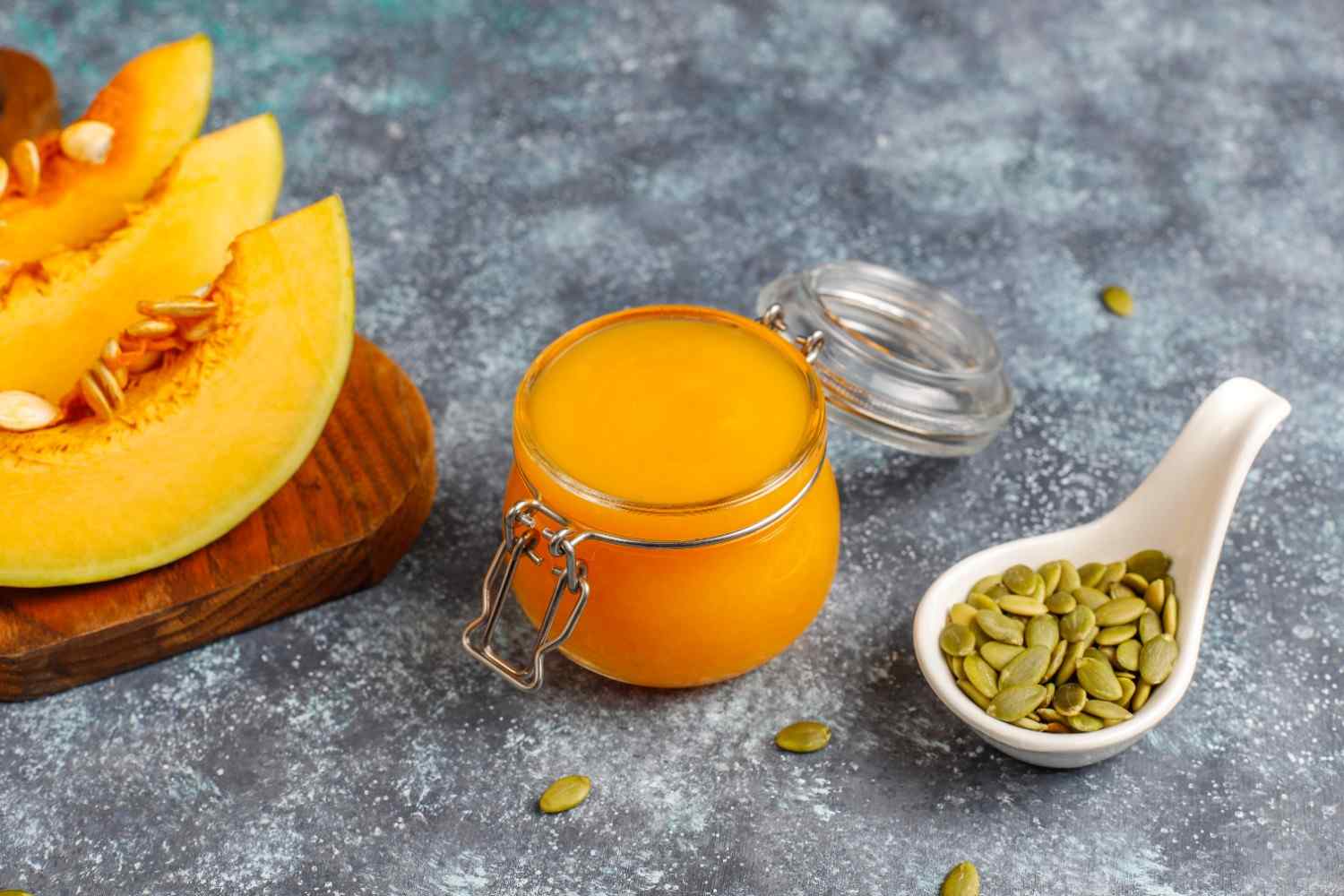

Pumpkin seed oil has garnered attention for its potential benefits, particularly for bladder health. Many individuals experience issues related to bladder function, which can affect daily living and overall quality of life. From frequent urges to urinate to discomfort during urination, these problems can lead to anxiety and disrupted sleep. As people seek natural remedies, pumpkin seed oil emerges as a promising candidate.
This oil, extracted from pumpkin seeds, is rich in essential fatty acids and antioxidants. These components play a crucial role in maintaining various bodily functions, including urinary health. The appeal of pumpkin seed oil lies not only in its nutritional profile but also in its historical use in traditional medicine for treating bladder-related issues.
Research suggests that pumpkin seed oil may help alleviate symptoms associated with overactive bladder and urinary incontinence. Its anti-inflammatory properties and ability to support prostate health contribute to its effectiveness. Understanding how to incorporate this oil into a daily routine can lead to significant improvements in bladder health.
This guide will explore the practical applications of pumpkin seed oil, common mistakes to avoid, the science behind its benefits, and how to choose the right product. By the end, readers will have a comprehensive understanding of how to leverage pumpkin seed oil for better bladder health.


Contents
How to Use Pumpkin Seed Oil for Real Results
- Best Form: Cold-pressed oil
- Best Time: Morning and evening
- Expected Result: Reduced urinary urgency
For Daily Protection
The Prep: Start with high-quality cold-pressed pumpkin seed oil. Measure a tablespoon and have a glass of warm water ready. This combination helps with absorption and digestion.
The Action: Take one tablespoon of pumpkin seed oil first thing in the morning. Follow it with a glass of warm water. This routine can be repeated in the evening before dinner for optimal benefits.
The Feeling: Users often report a mild, nutty taste that lingers briefly. Some may experience a soothing sensation in their bladder region, typically lasting a few hours.
Pro Tip: Consistency is key. Regular intake can maximize the benefits for bladder health.
Targeting Acute Discomfort
The Prep: Gather one tablespoon of pumpkin seed oil and a warm compress. The warm compress can be made by soaking a clean cloth in warm water and wringing it out.
The Action: Apply the warm compress to the lower abdomen where discomfort is felt. After ten minutes, take the tablespoon of pumpkin seed oil. This combination can help alleviate acute bladder discomfort.
The Feeling: The warmth from the compress provides immediate relief, while the oil’s properties work internally. Users may feel a gradual easing of discomfort within 30 minutes.
Pro Tip: Pair this routine with deep breathing exercises for enhanced relaxation.
The Nighttime Routine
The Prep: Prepare a calming evening drink by mixing one tablespoon of pumpkin seed oil with herbal tea, such as chamomile.
The Action: Consume the pumpkin seed oil mixed with the herbal tea about an hour before bedtime. This can help relax the bladder and promote better sleep.
The Feeling: The warm tea combined with the oil creates a comforting sensation. Users may experience a sense of calm that lasts through the night, leading to fewer nighttime bathroom trips.
Pro Tip: Ensure to keep a glass of water nearby for hydration throughout the night.
Common Pitfalls to Avoid
Choosing Low-Quality Oil
Selecting low-quality pumpkin seed oil can diminish its health benefits. Many commercially available oils are refined and lack the essential nutrients found in cold-pressed varieties. Always opt for organic, cold-pressed oil to ensure maximum potency and effectiveness.
Using poor-quality oil may lead to subpar results and frustration. Investing in high-quality pumpkin seed oil is essential for achieving the desired bladder health benefits.
Inconsistent Usage
Many individuals may start using pumpkin seed oil but fail to maintain a consistent routine. Inconsistent usage can significantly reduce the effectiveness of the oil. Bladder health benefits often require regular intake to manifest fully.
Establishing a daily regimen is vital. Aim for morning and evening doses as part of a holistic approach to bladder health.
Neglecting Dietary Factors
Focusing solely on pumpkin seed oil while ignoring overall dietary habits can hinder results. It is essential to maintain a balanced diet rich in fruits, vegetables, and hydration.
Incorporating pumpkin seed oil into a well-rounded diet enhances its benefits. Aim to complement oil intake with foods that support urinary health.
The Science Behind Pumpkin Seed Oil
Biological mechanisms involved in bladder health are complex. Pumpkin seed oil contains phytosterols, which are plant compounds that may reduce inflammation and improve urinary function. These compounds work by relaxing the bladder muscles, thus reducing urgency and frequency.
The key compound in pumpkin seed oil is delta-7-sterol. This sterol is known for its anti-inflammatory properties, which can help alleviate symptoms associated with overactive bladder. It contributes to the overall health of the urinary tract and prostate.
Clinical evidence supports the use of pumpkin seed oil for bladder health. Research indicates that it can significantly improve symptoms of urinary incontinence and urgency. For further reading, check out the findings available at PubMed.
Choosing the Right Product
- Potency: Higher potency oils contain more active compounds, which can lead to better results. Look for oils with a high concentration of phytosterols.
- Purity: Ensure that the oil is free from additives and preservatives. Pure oil is more effective and healthier.
- Form: Choose cold-pressed oil for maximum nutrient retention. Cold-pressed oils retain essential fatty acids that are beneficial for bladder health.
Benefits vs Risks
| The Benefits | Potential Downsides |
|---|---|
| Supports bladder function and reduces urgency | May cause mild digestive upset in some individuals |
| Rich in antioxidants and essential fatty acids | Quality can vary significantly between brands |
| Natural remedy with minimal side effects | Not suitable for everyone, including certain medical conditions |
Habits for Enhanced Benefits
Incorporating regular physical activity can greatly benefit bladder health. Exercise helps improve circulation and can alleviate symptoms associated with urinary discomfort.
Staying hydrated is equally important. Drinking sufficient water helps maintain urinary tract health and can prevent irritation.
Who Should Avoid This?
– Individuals with allergies to pumpkin or related seeds
– Those on anticoagulant medications
– Pregnant or breastfeeding women without prior consultation with a healthcare provider
– Individuals with specific gastrointestinal disorders
Common Questions
Can pumpkin seed oil help with urinary incontinence?
Yes, pumpkin seed oil has been shown to alleviate symptoms of urinary incontinence and urgency in some individuals.
How long does it take to see results?
Results can vary, but many users report improvements within a few weeks of consistent use.
Is it safe to use pumpkin seed oil daily?
For most people, daily use is safe. However, consulting a healthcare provider is advisable for those with existing health conditions.
Can I use pumpkin seed oil in cooking?
While it can be used in cooking, it is best to consume it raw to preserve its nutrients.
Final Thoughts
Pumpkin seed oil offers a natural approach to improving bladder health.
- The Truth: Individual results may vary based on personal health factors.
- The Strategy: Consistent daily intake at optimal times enhances benefits.
- The Next Step: Consider integrating bladder-friendly foods into your diet.
Get Your FREE Natural Health Guide!
Subscribe now and receive our exclusive ebook packed with natural health tips, practical wellness advice, and easy lifestyle changes, delivered straight to your inbox.