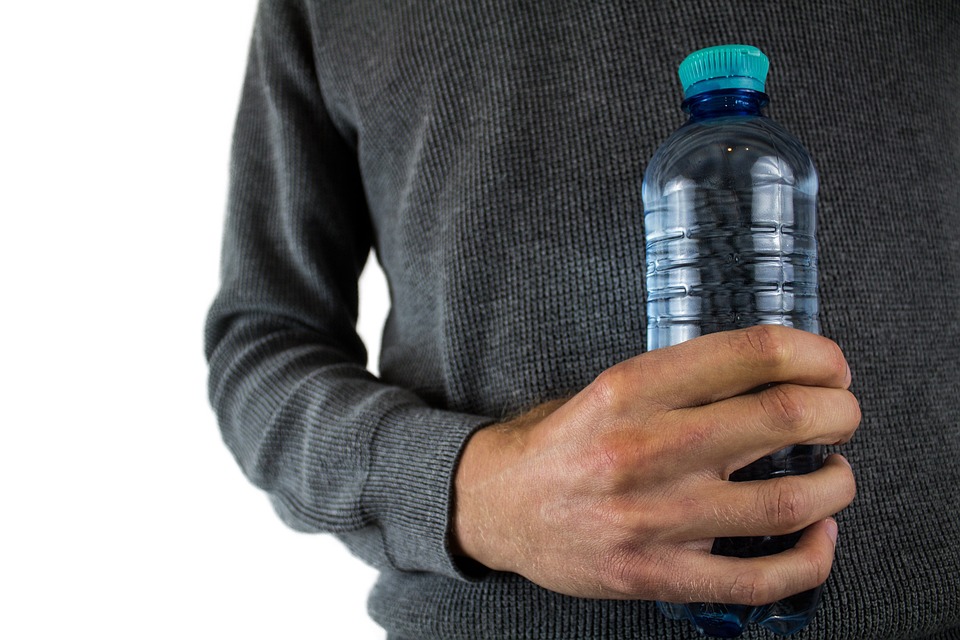

Plastic bottles are ubiquitous in modern life, often seen as convenient and essential for hydration. However, their widespread use conceals a significant issue that can impact hormone balance in both men and women. The chemicals found in many plastic bottles, particularly bisphenol A (BPA) and phthalates, have been linked to disruptions in the endocrine system. This disruption can lead to various health issues, including hormonal imbalances that affect mood, metabolism, and reproductive health.
Understanding the implications of plastic bottle usage is crucial for anyone concerned about their hormonal health. For individuals experiencing symptoms such as fatigue, weight gain, or mood swings, the hidden dangers of plastic may be a contributing factor. By recognizing the sources of these chemicals and their potential effects on hormone levels, individuals can take actionable steps to mitigate exposure and promote better health outcomes.
Transitioning to safer alternatives is not just a lifestyle choice; it is a crucial step towards maintaining hormone balance. There are numerous options available, from glass and stainless steel containers to BPA-free plastics. These alternatives can provide peace of mind while ensuring hydration needs are met without the added risk of harmful chemicals.
In this guide, we will explore the hidden impact of plastic bottles on hormone balance. You will learn practical applications, common mistakes to avoid, the underlying science, and how to choose safer products. This information will empower you to make informed decisions about your health and well-being.
Contents
How to Use Safer Alternatives for Real Results
- Best Form: Glass or stainless steel containers
- Best Time: Daily use for hydration
- Expected Result: Reduced exposure to harmful chemicals
For Daily Hydration
The Prep: Gather a high-quality glass or stainless steel bottle. Ensure it is clean and free from any residues. Fill it with filtered water or your favorite herbal tea to enhance hydration. Choosing a bottle with an insulating feature can also keep drinks cold or hot longer.
The Action: Start your day by filling the bottle first thing in the morning. Carry it with you throughout the day. Refill as needed to maintain hydration. This habit not only helps reduce plastic waste but also keeps you mindful of your water intake.
The Feeling: As you sip from your bottle, you may notice a refreshing sensation. The coolness of the water can invigorate you, while the knowledge that you are avoiding harmful chemicals can create a sense of peace. This practice can last throughout the day as long as you keep the bottle close by.
Pro Tip: Consider adding slices of citrus or cucumber for added flavor and health benefits.
Targeting Hormonal Balance
The Prep: Choose an organic herbal tea known for its hormone-balancing properties, such as spearmint or red clover. Prepare your tea in a glass pot and allow it to steep properly.
The Action: Pour the brewed tea into a glass or stainless steel bottle. Make sure to drink it warm or cold, depending on your preference. Consuming herbal tea regularly can support hormonal health and alleviate symptoms related to hormonal fluctuations.
The Feeling: Drinking herbal tea can provide a soothing effect. You may experience a gentle warmth as it flows through you, contributing to relaxation. Over time, this practice can help stabilize mood and promote hormonal harmony.
Pro Tip: Incorporate herbal teas into your evening routine for additional relaxation.
The Nighttime Routine
The Prep: Gather a glass bottle and fill it with filtered water. You may also want to add a slice of lemon or a few mint leaves for a refreshing taste.
The Action: As part of your nighttime routine, drink from your glass bottle while winding down. This will help you stay hydrated overnight without the risks associated with plastic.
The Feeling: This practice can create a calming sensation, signaling to your body that it is time to relax. Staying hydrated can also improve your sleep quality, leading to better hormonal balance.
Pro Tip: Avoid consuming excessive amounts of water right before bed to prevent disruptions in sleep.
Common Errors to Avoid in Your Wellness Journey
Prioritizing Convenience Over Quality
Many individuals choose plastic bottles for their convenience, often overlooking the potential health risks. This choice can lead to chronic exposure to harmful chemicals such as BPA, which can disrupt hormonal balance. Opting for glass or stainless steel options may require more effort, but the long-term health benefits outweigh the initial inconvenience.
Switching to higher-quality materials can significantly reduce exposure to endocrine disruptors. It is essential to prioritize your health over convenience, ensuring that the products you use support rather than hinder your hormonal well-being.
Ignoring Storage Conditions
Storing plastic bottles in high temperatures can exacerbate the leaching of chemicals into your beverages. Exposure to heat can cause the breakdown of the plastic, leading to increased BPA and phthalate release. This mistake is common, especially during summer months or in hot vehicles.
To mitigate this risk, always store your bottles in a cool, shaded area. If using plastic, consider selecting options labeled as BPA-free and designed for high temperatures.
Overlooking Regular Cleaning
Failing to clean reusable bottles regularly can lead to bacterial growth and other health risks. Many people underestimate the importance of maintaining hygiene in their bottles, especially when using them for beverages other than water.
Make it a habit to wash your glass or stainless steel containers daily. Regular cleaning not only enhances safety but also prolongs the lifespan of your bottles, ensuring that they remain effective in keeping harmful chemicals at bay.
The Biological Mechanism of Hormonal Disruption
The endocrine system is sensitive to various environmental factors, including chemicals found in plastics. BPA and phthalates mimic estrogen, leading to hormonal imbalances. This mimicry can disrupt the natural hormonal signaling pathways, causing issues such as weight gain, mood swings, and reproductive health problems.
Hormonal balance is crucial for numerous bodily functions, including metabolism and mood regulation. Disrupting this balance can have far-reaching consequences, affecting everything from energy levels to fertility. Understanding these mechanisms can help individuals make informed choices about their exposure to harmful substances.
Key compounds like BPA are prevalent in many consumer products, especially in plastics. These compounds can leach into food and beverages, particularly when exposed to heat or prolonged storage. Recognizing the sources of these chemicals is vital for reducing exposure and protecting hormonal health.
Research has shown that reducing exposure to BPA can lead to improved health outcomes. Studies indicate that individuals who switch to BPA-free products experience a decrease in urinary BPA levels. For further information on this topic, refer to the findings available in the PubMed database.
Choosing the Right Product
– **Potency:** Ensure the products you choose contain effective amounts of active ingredients. Potency directly affects the health benefits you may experience.
-
Purity: Look for products that are free from harmful additives and contaminants. Purity is essential for ensuring that you are not inadvertently exposing yourself to additional harmful substances.
-
Form: Choose the form that best suits your lifestyle, whether it be glass, stainless steel, or BPA-free plastic. The right form can enhance your experience and commitment to reducing exposure to harmful chemicals.
Benefits and Potential Risks
| The Benefits | Potential Downsides |
|---|---|
| Reduced exposure to harmful chemicals | Higher initial cost of safer alternatives |
| Improved hormone balance | Need for consistent habit changes |
| Better overall health outcomes | Potential inconvenience when transitioning |
Habits That Enhance Hormonal Health
Incorporating regular physical activity can significantly improve hormone balance. Exercise stimulates the release of endorphins, reducing stress and promoting overall well-being. Aim for a balanced routine that includes both cardio and strength training.
Mindfulness practices such as meditation and yoga can also support hormonal health. These practices help manage stress levels, which can directly impact hormone production and regulation.
Who Should Avoid This?
– Individuals with a history of hormone-sensitive conditions
– Pregnant or breastfeeding women
– Children and adolescents
– Those with specific allergies to materials used in alternative containers
Common Questions
What types of bottles are safest to use?
Glass and stainless steel bottles are considered the safest options. They do not leach harmful chemicals and are durable.
Can I use BPA-free plastics?
While BPA-free plastics are safer than traditional plastics, they may still contain other harmful chemicals. It is best to choose glass or stainless steel when possible.
How can I reduce my exposure to plastic?
Opt for reusable containers made from safe materials, and avoid heating food in plastic containers.
What are the signs of hormonal imbalance?
Signs can include mood swings, weight changes, fatigue, and reproductive health issues.
The Bottom Line
Making informed choices about the containers you use can significantly impact your hormonal health.
- The Truth: While eliminating plastic entirely may be challenging, reducing exposure is feasible.
- The Strategy: Use safer alternatives daily to promote better health.
- The Next Step: Consider incorporating daily mindfulness practices to enhance hormonal balance.
Get Your FREE Natural Health Guide!
Subscribe now and receive our exclusive ebook packed with natural health tips, practical wellness advice, and easy lifestyle changes, delivered straight to your inbox.