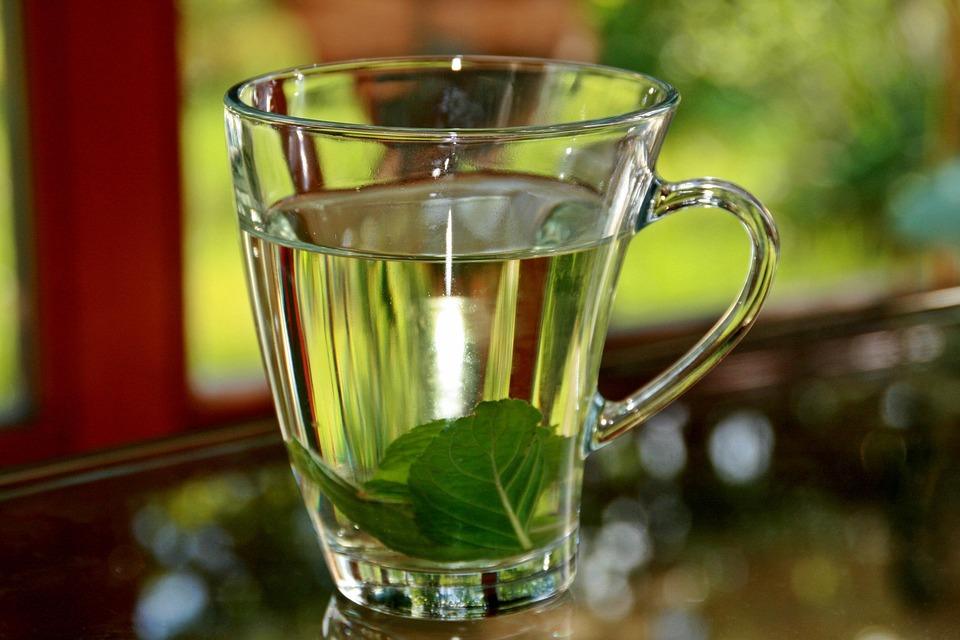

Peppermint tea has long been celebrated for its refreshing taste and invigorating aroma. However, its benefits extend far beyond mere enjoyment. Many individuals struggle with digestive issues, experiencing discomfort, bloating, or irregularity. These problems can stem from various factors such as poor diet, stress, or insufficient hydration. For those seeking relief, peppermint tea emerges as a soothing ally, offering potential solutions that can enhance overall gut health and wellness.

The soothing properties of peppermint tea can significantly contribute to a gut cleanse. This herbal infusion is rich in compounds known to ease digestive discomfort, promote bile flow, and relieve symptoms of indigestion. By incorporating peppermint tea into a regular wellness routine, individuals may experience not only immediate relief but also long-term benefits to their digestive health. This guide explores the practical applications, scientific mechanisms, common mistakes, and more, providing a comprehensive resource for those looking to harness the potential of peppermint tea as a gut cleanse ally.
Understanding how to effectively use peppermint tea is crucial. The right preparation and timing can maximize its benefits, ensuring that individuals receive the most effective support for their digestive health. This guide delves into practical applications, common mistakes, and scientific evidence to support the claims surrounding peppermint tea. By the end, readers will have a thorough understanding of how to integrate this herbal remedy into their wellness routines.
As we explore the multifaceted aspects of peppermint tea, it becomes clear that this herbal infusion offers more than just a pleasant taste. It has the potential to be a powerful ally for those seeking a gut cleanse and overall digestive health.
Contents
How to Use Peppermint Tea for Real Results
- Best Form: Loose leaf or tea bags
- Best Time: After meals
- Expected Result: Reduced bloating and improved digestion
For Daily Protection
The Prep: Begin with high-quality loose-leaf peppermint or a reputable tea bag. Boil fresh, filtered water to enhance the flavor. Measure about one teaspoon of loose leaves or use one tea bag for each cup of tea. This ensures a potent brew that can deliver optimal benefits.
The Action: Pour the boiling water over the peppermint leaves or tea bag in a cup. Allow it to steep for about 5 to 10 minutes. This duration allows the essential oils and compounds to infuse into the water fully. After steeping, remove the leaves or bag, and enjoy the tea warm.
The Feeling: Upon sipping, individuals may experience a refreshing, cooling sensation that soothes the throat and stomach. The effects can linger, providing a sense of calm and easing any discomfort for about an hour.
Pro Tip: Drinking peppermint tea regularly, especially after meals, can help establish a proactive approach to digestive health.
Targeting Acute Discomfort
The Prep: Gather fresh peppermint leaves if possible, or use high-quality dried leaves. You will also need a small pot and a strainer. Using fresh leaves can amplify the flavor and benefits of the tea.
The Action: Boil two cups of water in the pot. Add a handful of fresh peppermint leaves or two teaspoons of dried leaves. Let the mixture simmer for about 10 minutes. Strain the tea into a cup, discarding the leaves, and sip slowly.
The Feeling: The immediate cooling effect of the tea can bring relief to acute digestive discomfort. The sensation of relaxation may set in within minutes, lasting for about an hour or so, helping to alleviate symptoms such as bloating or gas.
Pro Tip: For enhanced effectiveness, consider adding a slice of lemon or a bit of honey to the tea for additional flavor and benefits.
The Nighttime Routine
The Prep: Use dried peppermint leaves or tea bags. Prepare your cup and boiling water in advance to make the process easier. Creating a calming atmosphere helps maximize relaxation.
The Action: Boil water and pour it over the peppermint leaves or tea bag in a cup. Allow it to steep for about 8 to 10 minutes. As the tea brews, take a moment to unwind, breathing in the minty aroma.
The Feeling: This soothing tea can induce a sense of calm, preparing the body for restful sleep. The effects may last through the night, promoting a more comfortable sleep experience and aiding digestion while you rest.
Pro Tip: Incorporating a cup of peppermint tea into your nighttime routine can signal to your body that it is time to wind down.
Common Pitfalls to Avoid
Using Low-Quality Herbs
Choosing low-quality peppermint can significantly diminish the benefits of the tea. Cheap or stale herbs may lack the essential oils and compounds that provide relief. They might also contain additives that can irritate the digestive system further.
Opt for organic, high-quality peppermint sourced from reputable suppliers. Freshness plays a crucial role in the potency of the tea. Always check the packaging date and choose products that guarantee quality and purity.
Overconsumption
While peppermint tea offers numerous benefits, overconsumption can lead to adverse effects. Drinking excessive amounts may trigger heartburn or digestive upset in some individuals. Moderation is key to maximizing benefits while minimizing risks.
Stick to a moderate intake of 2 to 3 cups per day. This amount is generally safe and effective for most people. Listen to your body and adjust the intake as needed.
Ignoring Individual Sensitivities
Individuals with specific sensitivities or conditions should be cautious when consuming peppermint tea. For instance, those with gastroesophageal reflux disease (GERD) may find that peppermint exacerbates their symptoms, leading to discomfort.
Consulting a healthcare provider before incorporating peppermint tea into your routine is wise, especially for those with existing health issues. Tailoring your approach to your unique needs ensures a safer experience.
The Science Behind Peppermint Tea
The biological mechanisms at play when consuming peppermint tea are fascinating. The active compounds, particularly menthol, interact with the digestive tract, promoting smooth muscle relaxation. This effect can alleviate bloating and discomfort, enhancing overall digestive function.
Menthol, the primary compound in peppermint, has been extensively studied for its therapeutic properties. It exhibits antispasmodic effects, which can help soothe the muscles of the gastrointestinal tract. This can lead to improved digestion and relief from symptoms like gas and bloating.
For those interested in the clinical evidence surrounding peppermint’s digestive benefits, a wealth of studies is available. Research indicates that peppermint tea can effectively reduce symptoms of irritable bowel syndrome and other digestive disorders. For more detailed information, explore this PubMed search on the topic.
Choosing the Right Product
– **Potency:** Selecting products with a high concentration of peppermint ensures that you receive the maximum benefits. Potency affects how effectively the tea can alleviate symptoms.
-
Purity: Opt for organic, non-GMO peppermint to avoid pesticides and additives. Purity is vital for those who are sensitive to chemicals or prefer natural remedies.
-
Form: Loose leaf tea often provides a more robust flavor and higher quality than tea bags. Choosing the right form can enhance the overall experience and effectiveness of the tea.
Pros & Cons
| The Benefits | Potential Downsides |
|---|---|
| Promotes digestive health | May trigger heartburn in sensitive individuals |
| Soothes discomfort and bloating | Overconsumption can lead to digestive upset |
| Natural and caffeine-free | Quality varies between brands |
Habits to Enhance Effects
Integrating physical activity into your routine can significantly enhance the benefits of peppermint tea. Regular movement supports digestion and overall gut health. Aim for daily walks or gentle exercises to complement your tea-drinking habits.
Mindfulness practices, such as meditation or deep breathing, can also improve digestive health. Stress can negatively impact digestion, so incorporating relaxation techniques can help maximize the benefits of peppermint tea.
Who Should Avoid This?
– Individuals with GERD or acid reflux issues
– Those with a known allergy to mint
– Pregnant or breastfeeding women without consulting a healthcare professional
– Individuals taking medications that may interact with peppermint
Common Questions
Can peppermint tea help with nausea?
Peppermint tea may alleviate nausea for some individuals, particularly if it is related to digestive issues. The soothing properties can help calm the stomach.
How often should I drink peppermint tea?
Consuming 2 to 3 cups per day is generally safe and effective for most people. Adjust based on personal comfort and digestive responses.
Is peppermint tea safe for children?
Peppermint tea is generally safe for children, but it is best to consult a healthcare provider before introducing it to young children.
Can I drink peppermint tea on an empty stomach?
While some people find it beneficial, others may experience discomfort. It is wise to listen to your body and adjust accordingly.
The Bottom Line
Peppermint tea can be a beneficial addition to your wellness routine.
- The Truth: It may not work for everyone, particularly those with specific digestive issues.
- The Strategy: Enjoy it after meals for optimal digestive support.
- The Next Step: Consider pairing it with gentle movement or mindfulness practices.
Get Your FREE Natural Health Guide!
Subscribe now and receive our exclusive ebook packed with natural health tips, practical wellness advice, and easy lifestyle changes, delivered straight to your inbox.