
Nourishing hair growth can be a challenging journey for many individuals. Factors such as stress, poor nutrition, and environmental influences often contribute to hair thinning and loss. While there are numerous commercial products promising miraculous results, many contain harsh chemicals that could further damage the hair and scalp. This is where natural solutions come into play, offering a gentler, more holistic approach to hair care.
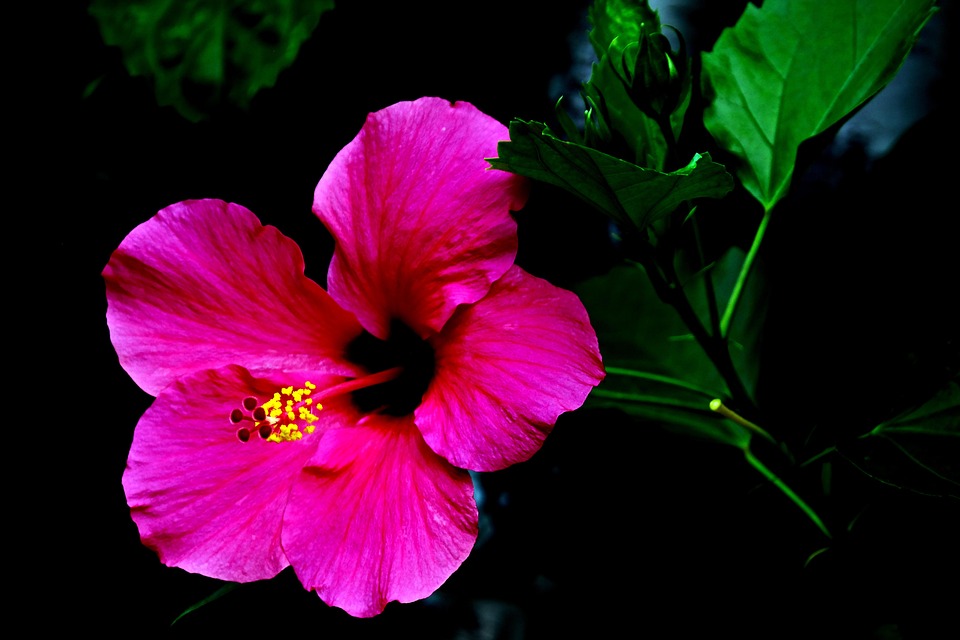
Hibiscus, a vibrant flower celebrated for its beauty, also holds remarkable benefits for hair health. Rich in vitamins and antioxidants, hibiscus can not only promote growth but also enhance the overall quality of your hair. This guide will delve into how to effectively use hibiscus paste to nourish your locks, ensuring that you achieve the vibrant hair you desire.
Understanding the properties of hibiscus is essential to appreciate its role in hair care. The flower contains amino acids, which are crucial for protein synthesis and, consequently, hair growth. Additionally, hibiscus is known for its ability to condition hair, reduce breakage, and combat dandruff. By incorporating hibiscus paste into your hair care routine, you can tap into these benefits.
This guide will provide a comprehensive overview of how to utilize hibiscus paste, common mistakes to avoid, the science behind its effectiveness, and tips for selecting the right products. Embracing this natural remedy could be the key to achieving strong, healthy hair.
Contents
How to Use Hibiscus Paste for Real Results
- Best Form: Fresh or dried hibiscus petals
- Best Time: Once a week
- Expected Result: Increased hair growth and improved texture
For Daily Protection
The Prep: Gather fresh hibiscus flowers, coconut oil, and a blender. If using dried petals, soak them in water for a few hours to soften. Aim for a handful of hibiscus petals for a single application. Ensure you have a clean bowl and a spatula ready for mixing.
The Action: Blend the hibiscus petals with a tablespoon of coconut oil until you achieve a smooth paste. Apply the mixture directly to your scalp and hair, focusing on the roots. Allow it to sit for at least 30 minutes before rinsing it out with a mild shampoo.
The Feeling: As you apply the paste, you may notice a cooling sensation on your scalp, which is refreshing. The duration of the effect can last throughout the day, leaving your hair feeling soft and looking vibrant.
Pro Tip: For added shine, mix in a few drops of essential oils like rosemary or lavender.
For Enhancing Growth
The Prep: Collect both hibiscus petals and fenugreek seeds. Soak a tablespoon of fenugreek seeds in water overnight. You will also need a blender and a sieve for straining.
The Action: Blend the soaked fenugreek seeds with fresh hibiscus petals until smooth. Strain the mixture to extract the juice. Apply the juice to your scalp using a cotton ball, ensuring even distribution. Leave it on for about 45 minutes before rinsing.
The Feeling: The application may feel slightly sticky, but this will wash out easily. You might experience a mild tingling sensation, indicating that the ingredients are working to stimulate your scalp.
Pro Tip: Apply this treatment at night for maximum absorption and wash it out in the morning.
For Repairing Damage
The Prep: Assemble dried hibiscus petals and yogurt. You will also need a mixing bowl and a spoon for stirring.
The Action: Mix two tablespoons of dried hibiscus petals with half a cup of yogurt until you have a creamy paste. Apply the mixture generously to your hair, focusing on the ends. Cover your hair with a shower cap and let it sit for an hour before rinsing thoroughly.
The Feeling: As the paste sits, you may feel a slight warming sensation. This indicates that the nutrients are penetrating your hair shafts, promoting repair and nourishment.
Pro Tip: Consider adding honey to the mix for extra moisture and shine.
Critical Errors to Avoid
Using Low Quality Herbs
Using low-quality hibiscus can significantly diminish the effectiveness of your treatment. Poor-quality flowers may be lacking in vital nutrients and antioxidants necessary for hair growth. Always ensure you source hibiscus from reputable suppliers who prioritize quality.
To resolve this issue, invest time in researching suppliers or consider growing your own hibiscus plants. Fresh flowers will provide the highest nutrient density, which is crucial for achieving the desired results.
Neglecting Patch Tests
Skipping a patch test can lead to unexpected allergic reactions. Hibiscus is generally safe, but individual sensitivities can vary. Not performing a patch test may result in irritation or adverse reactions on your scalp.
To avoid this mistake, always conduct a patch test by applying a small amount of the paste to your inner arm. Wait 24 hours to check for any signs of irritation before applying it to your scalp.
Overusing the Paste
Applying hibiscus paste too frequently can lead to buildup on the scalp, making it greasy and heavy. This can counteract the benefits you seek and may lead to further hair issues.
To prevent this, adhere to a weekly application schedule. This allows your scalp to breathe and ensures that the nutrients are effectively absorbed without causing unwanted buildup.
The Biological Mechanism Behind Hibiscus
Hibiscus contains a variety of compounds that contribute to hair health. The amino acids in hibiscus are essential for the production of keratin, a protein that makes up the structure of hair. This means that regular use can help strengthen hair strands and improve resilience against breakage.
One of the key compounds in hibiscus is anthocyanin, known for its antioxidant properties. Antioxidants help combat oxidative stress, a significant factor contributing to hair loss. By neutralizing free radicals, hibiscus can promote a healthier scalp environment conducive to hair growth.
Clinical studies have shown that hibiscus can have beneficial effects on hair growth and scalp health. For detailed research findings, you can explore this link for more information.
Choosing the Right Product
– **Potency:** Look for products that highlight the concentration of active compounds. Higher potency often leads to better results in hair health.
-
Purity: Choose hibiscus products that are free from additives or artificial ingredients. Pure products ensure that you receive the full benefits of hibiscus without harmful chemicals.
-
Form: Decide whether you prefer fresh, dried, or powdered hibiscus. Each form has its advantages, but fresh hibiscus often provides the highest nutritional value.
Benefits vs Risks
| The Benefits | Potential Downsides |
|---|---|
| Promotes hair growth and strength | Possible allergic reactions |
| Improves scalp health and reduces dandruff | May cause buildup if overused |
| Natural and chemical-free solution | Quality may vary among products |
Habits for Healthy Hair
Incorporating a balanced diet rich in vitamins and minerals can significantly enhance the effects of hibiscus paste. Nutrients such as biotin, zinc, and iron are essential for promoting healthy hair growth.
Regular scalp massages can also improve blood circulation, enhancing the delivery of nutrients to hair follicles. Combine these habits with hibiscus treatments for optimal results.
Who Should Avoid This?
– Individuals with known allergies to hibiscus
– Those experiencing scalp conditions like eczema or psoriasis
– Pregnant or breastfeeding women, unless advised by a healthcare professional
Common Questions
How often should I use hibiscus paste?
Using hibiscus paste once a week is generally recommended for optimal results without causing buildup.
Can hibiscus paste help with dandruff?
Yes, the moisturizing properties of hibiscus can help alleviate dandruff and improve overall scalp health.
Is it safe to leave hibiscus paste overnight?
While hibiscus paste is safe, it is advisable to limit application to a few hours to avoid potential irritation.
Can I mix hibiscus with other ingredients?
Yes, combining hibiscus with ingredients like yogurt or honey can enhance its nourishing properties for hair.
The Bottom Line
Embracing hibiscus paste as part of your hair care routine can lead to significant benefits for hair growth and health.
- The Truth: Results may vary based on individual hair types and conditions.
- The Strategy: Use it weekly for the best outcomes.
- The Next Step: Consider integrating a balanced diet to support hair health.
Get Your FREE Natural Health Guide!
Subscribe now and receive our exclusive ebook packed with natural health tips, practical wellness advice, and easy lifestyle changes, delivered straight to your inbox.